


Researchers from the Nanjing University have published a dissertation titled " Competitive surface adsorption governs unintentional Si incorporation in MOCVD-grown β-Ga₂O₃ (001) homoepilayers " in Journal of Physics D: Applied Physics.
Project Support
This work was supported in part by the National Key R&D Program of China (2022YFB3605403), in part by Jiangsu Provincial Science and Technology Major Project(BG2024030), and in part by the National Natural Science Foundation of China under Grant 62425403, 62234007,62293522, U21A2071, and U21A20503).
Background
β-Ga₂O₃, as an ultra-wide bandgap semiconductor, holds great potential for high-voltage power electronic devices. However, unintentional silicon (Si) doping commonly observed in MOCVD epitaxy has become a critical bottleneck limiting device performance and material purity. Si atoms often originate from reactor walls, quartz components, or residues from prior processes, and their behavior during epitaxy is jointly influenced by surface adsorption, reaction kinetics, and growth conditions. Currently, key scientific questions—such as how Si incorporates into β-Ga₂O₃ epilayers, which epitaxial parameters affect its concentration, and how competitive surface adsorption influences UID Si levels—remain poorly understood. To optimize intrinsic material purity and improve device breakdown voltage and reliability, it is essential to elucidate the atomic-scale mechanisms of Si incorporation, migration, and surface adsorption during MOCVD growth of β-Ga₂O₃. In this work, we address these core issues by combining experimental measurements with first-principles calculations, revealing how competitive adsorption on the epitaxial surface governs unintentional Si incorporation and providing effective strategies to suppress UID Si.
Abstract
Precise control over residual silicon (Si) impurities in unintentionally doped (UID) β-Ga₂O₃ epilayers is crucial for high-power devices, yet remains challenging due to complex mechanisms governing Si incorporation. In this work, we examine the effects of VI/III ratio and growth rate on residual Si impurities and net donor concentrations in (001)-oriented β-Ga₂O₃ UID homoepilayers grown by metal-organic chemical vapor deposition (MOCVD). The unintentionally incorporated Si concentration is found to be suppressed below 10¹⁶ cm⁻³, which is at the SIMS instrument's detection limit, resulting in a net donor concentration of 4.73×10¹⁵ cm⁻³ by increasing the growth rate to 1.08 μm/hr. Although carbon and hydrogen impurities are sensitive to VI/III mole ratios, they exert negligible impact on Si incorporation efficiency. Within a Langmuir adsorption framework, Si incorporation is governed by a competitive surface adsorption process between Ga and Si species on the growing surface, and a universal quantitative correlation between Si incorporation and growth rate holds true for a broad range of MOCVD-grown β-Ga₂O₃ UID layers across different orientations and MOCVD reactor systems.
Conclusion
This work investigates that residual Si incorporation in MOCVD-grown UID (001) β-Ga₂O₃ is primarily governed by competitive adsorption between Ga and Si species on the growing surface. Based on the Langmuir adsorption model, a universal quantitative correlation between Si incorporation and growth rate is established, which holds across various MOCVD-grown β-Ga₂O₃ UID layers, regardless of substrate orientation or reactor system. Although carbon and hydrogen impurity levels are strongly influenced by the VI/III mole ratios, their effect on Si incorporation remains minimal. By enhancing the growth rate, residual Si incorporation was suppressed, achieving a reduced net donor concentration of 4.73×10¹⁵ cm⁻³. These insights provide a fundamental framework for understanding Si incorporation mechanisms and lay the groundwork for producing high-purity β-Ga₂O₃ for high-performance power electronic devices.
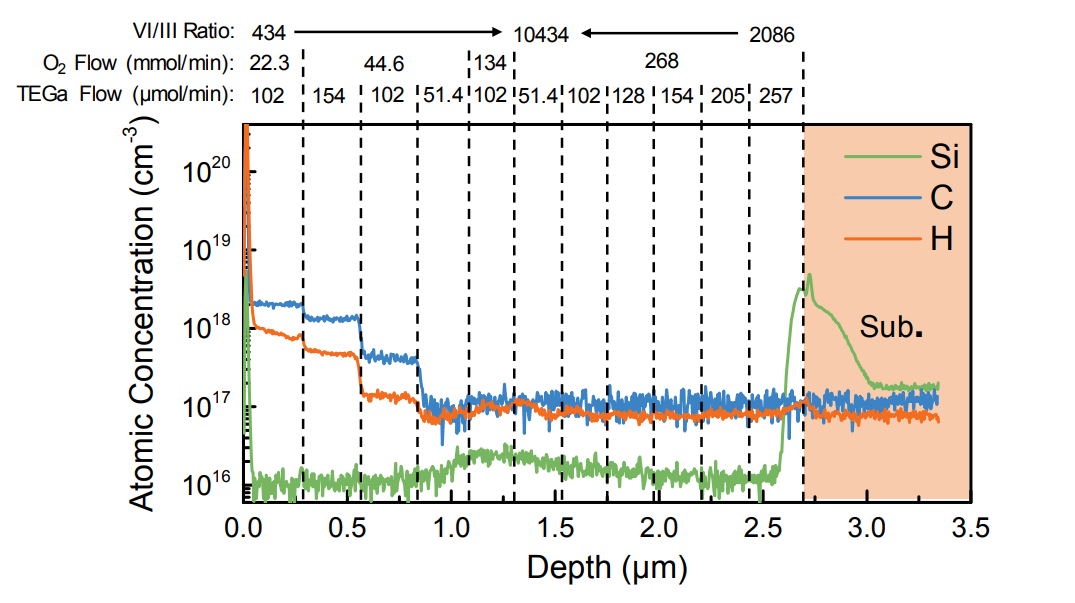
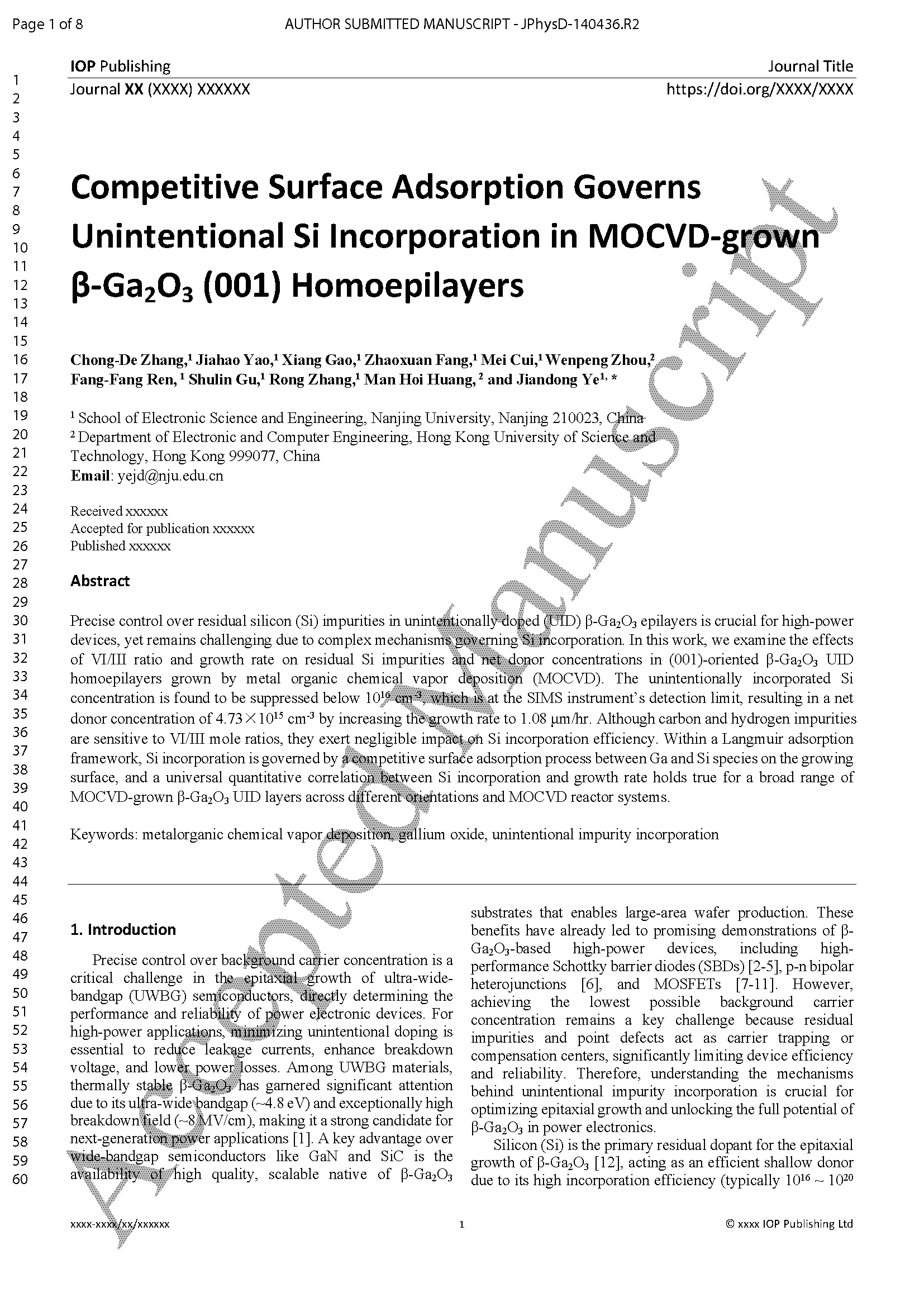
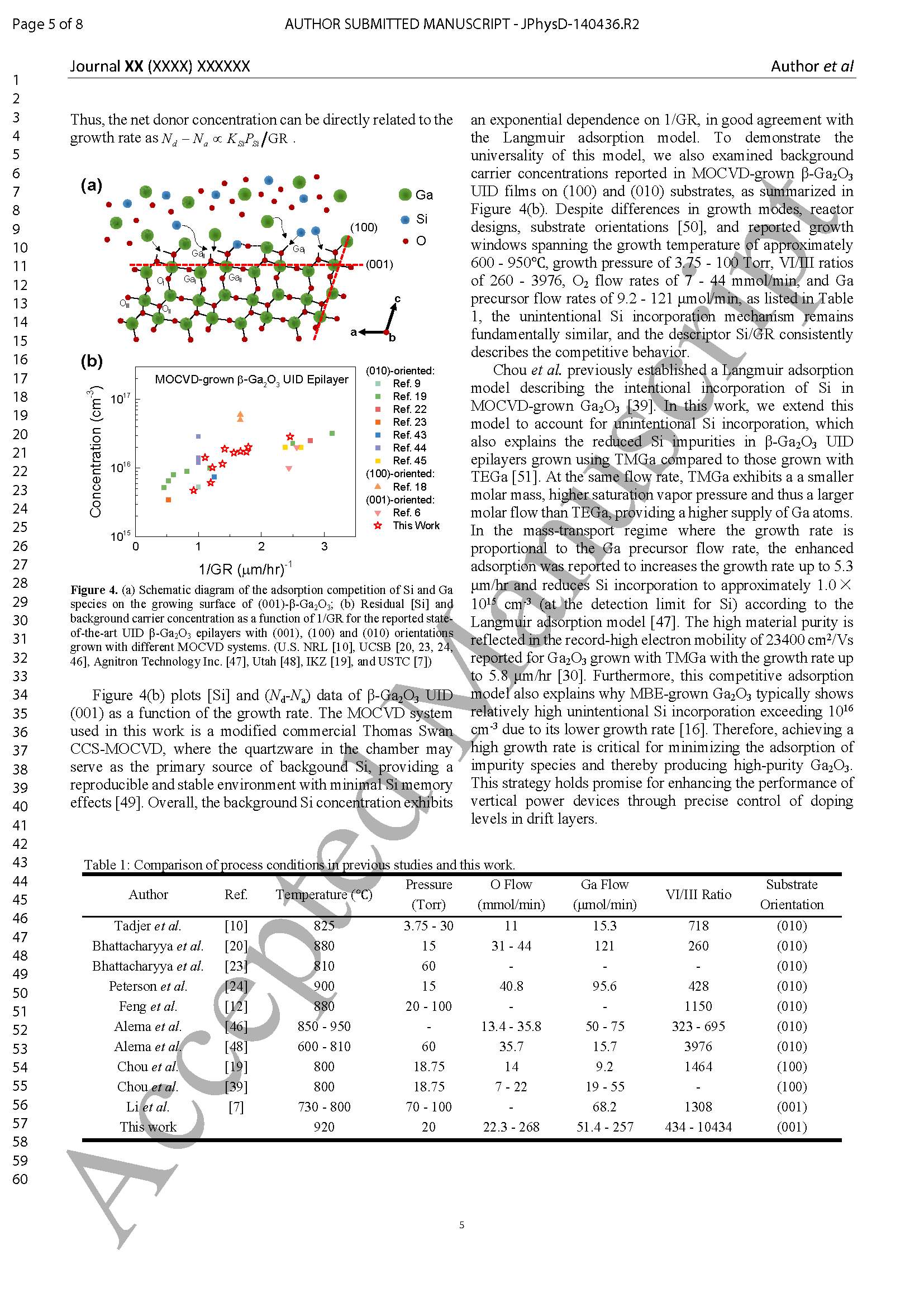
Figure 1. SIMS depth profiles of residual impurities (Si, C, and H) in MOCVD-grown (001) β-Ga₂O₃ homoepitaxial layers with varied TEGa and O₂ mole flow rates.
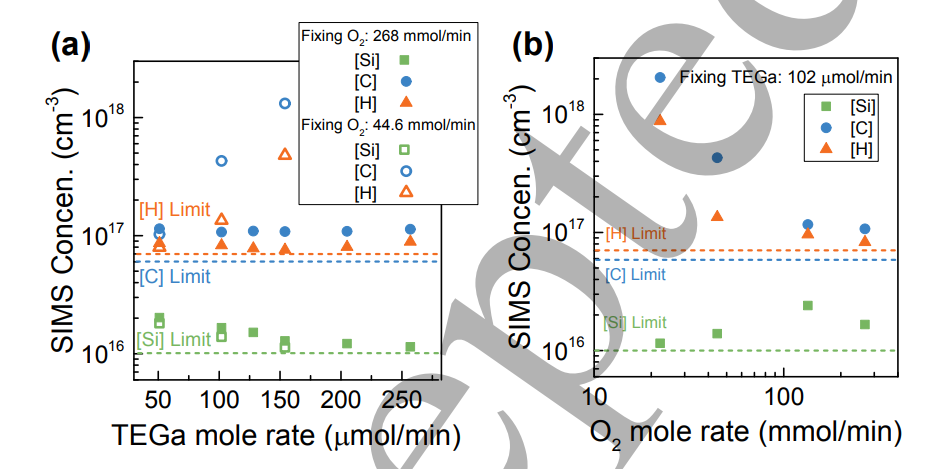
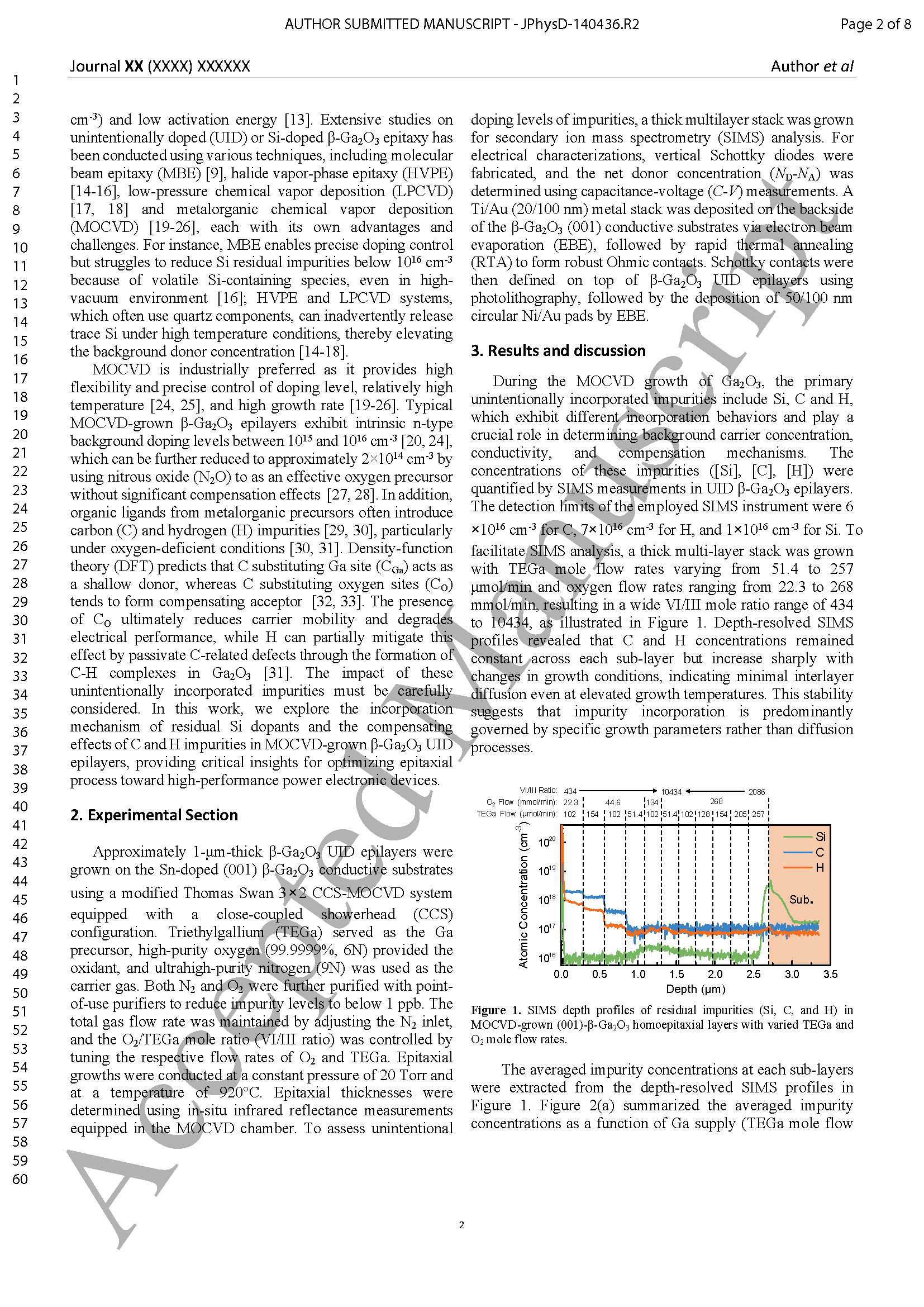
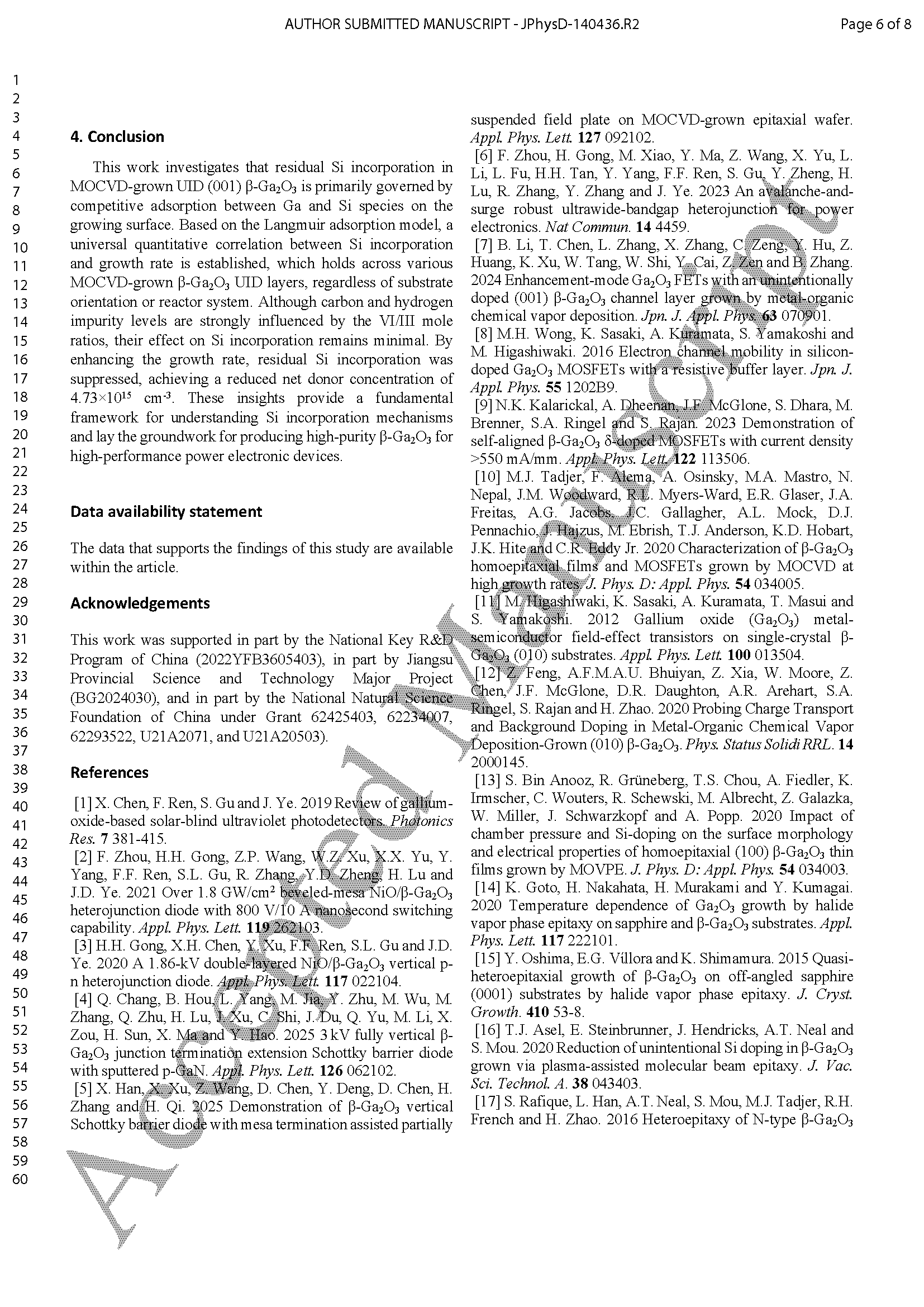
Figure 2. SIMS-measured Si, C, and H concentrations as a function of (a) TEGa mole flow rate and (b) O₂ mole flow rate.
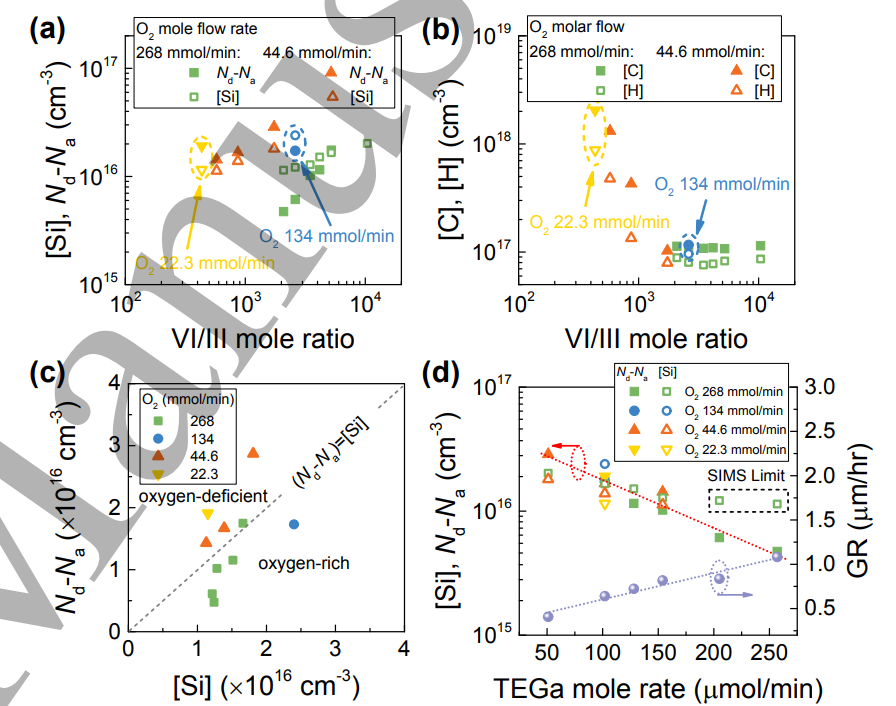
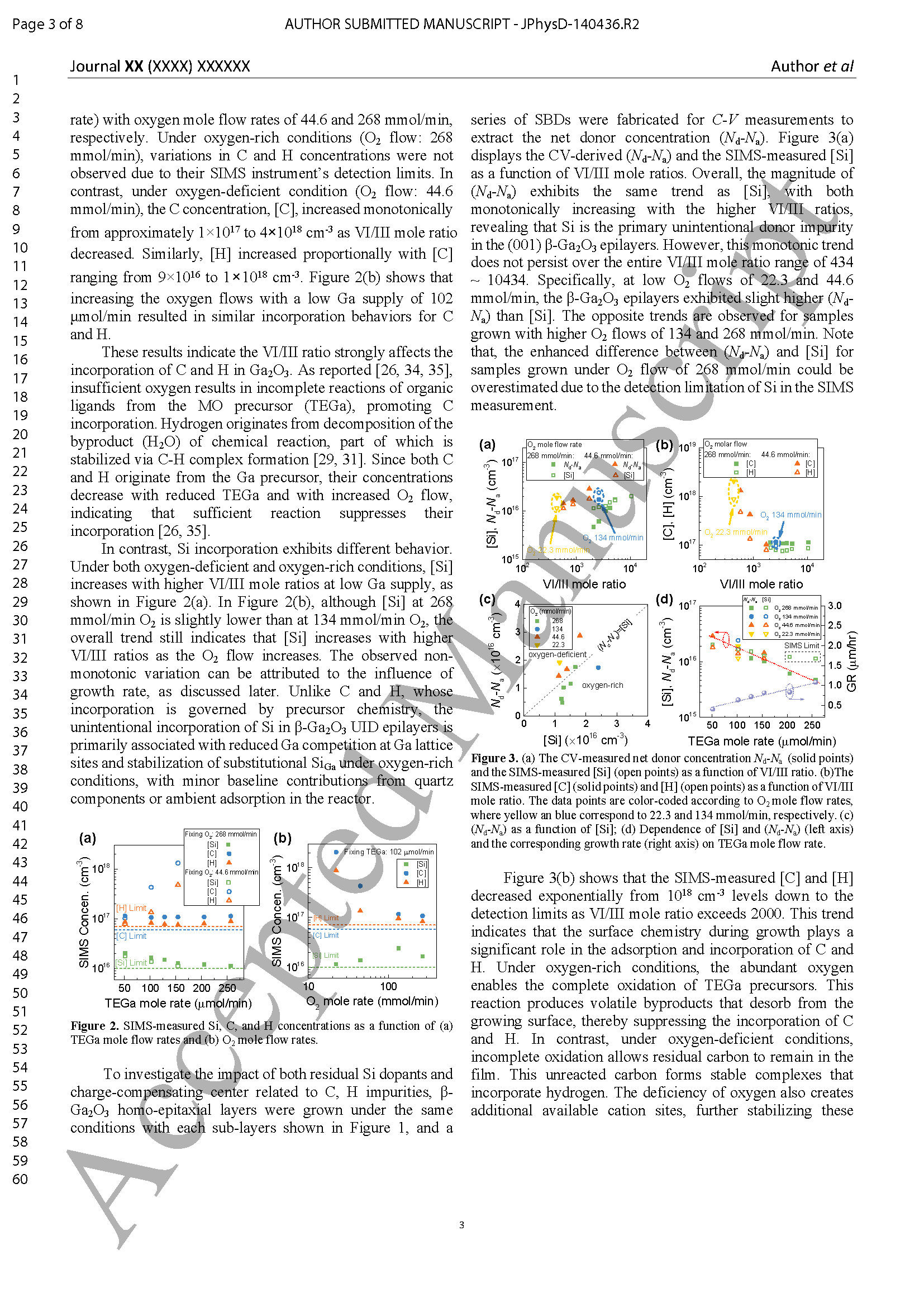
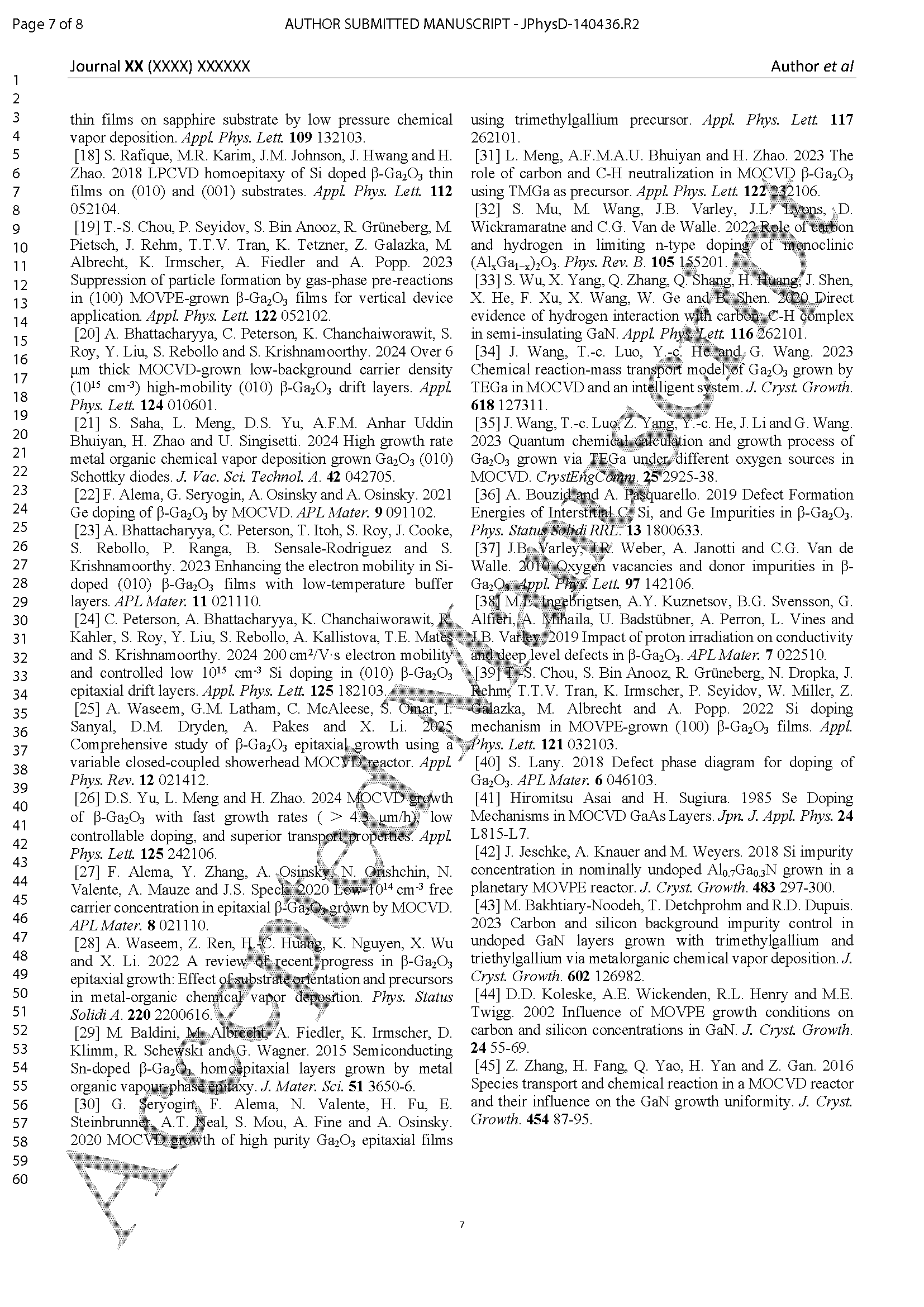
Figure 3. (a) CV-measured net donor concentration Nd−Na (solid points) and SIMS-measured [Si] (open points) as a function of VI/III ratio. (b) SIMS-measured [C] (solid points) and [H] (open points) as a function of VI/III mole ratio. Data points are color-coded according to O₂ mole flow rates, where yellow and blue correspond to 22.3 and 134 mmol/min, respectively. (c) Nd−Na as a function of [Si]. (d) Dependence of [Si] and Nd−Na (left axis) and the corresponding growth rate (right axis) on TEGa mole flow rate.
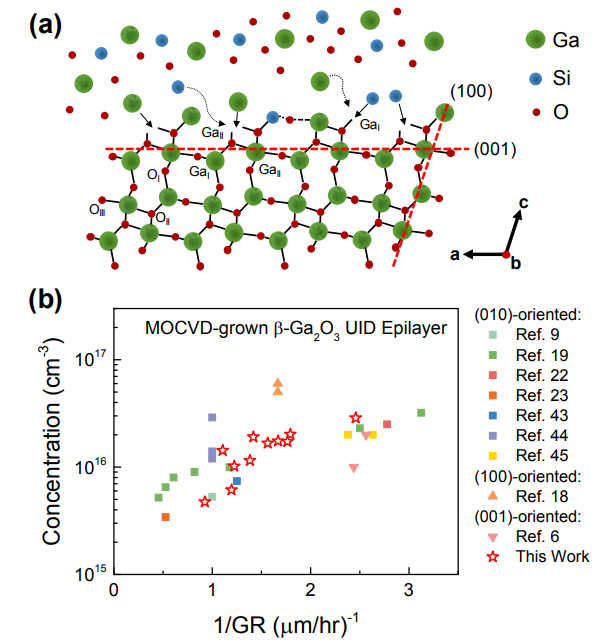
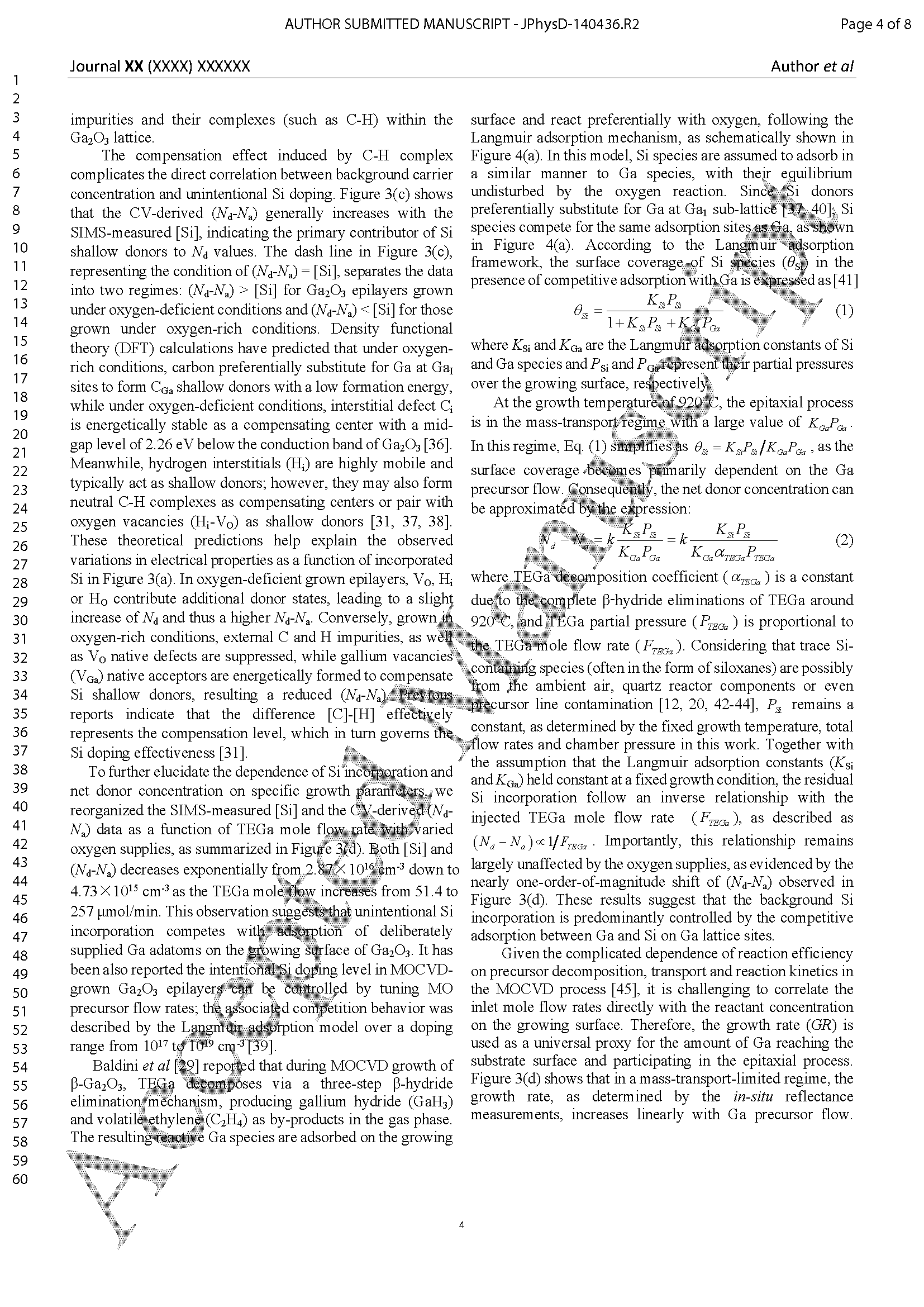
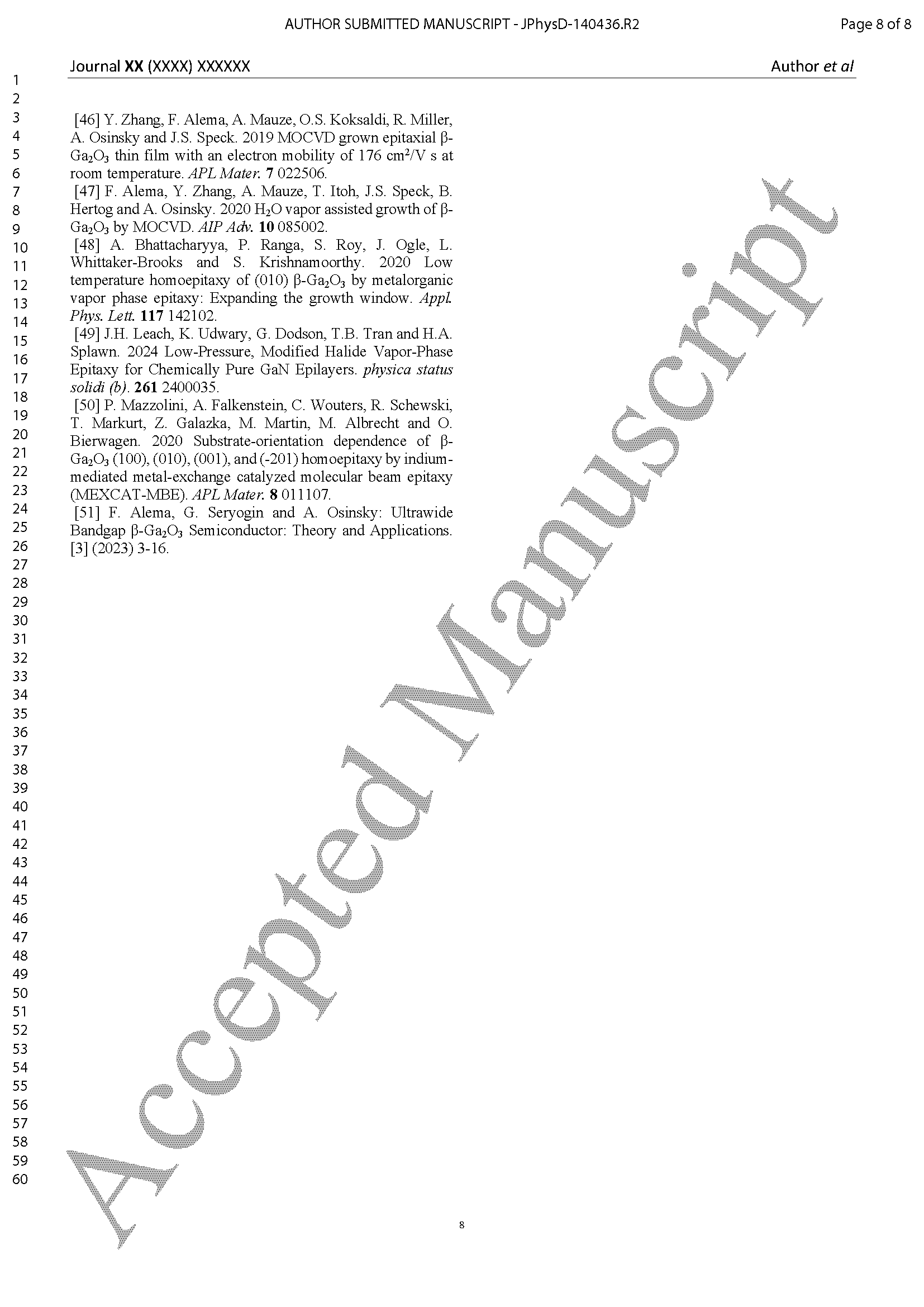
Figure 4. (a) Schematic diagram of the adsorption competition between Si and Ga species on the growing surface of (001)-β-Ga₂O₃. (b) Residual [Si] and background carrier concentration as a function of 1/GR for reported state-of-the-art UID β-Ga₂O₃ epilayers with (001), (100), and (010) orientations grown using different MOCVD systems.
DOI:
doi.org/10.1088/1361-6463/ae1e08
Instruction
Official Account

Cooperation
Top