


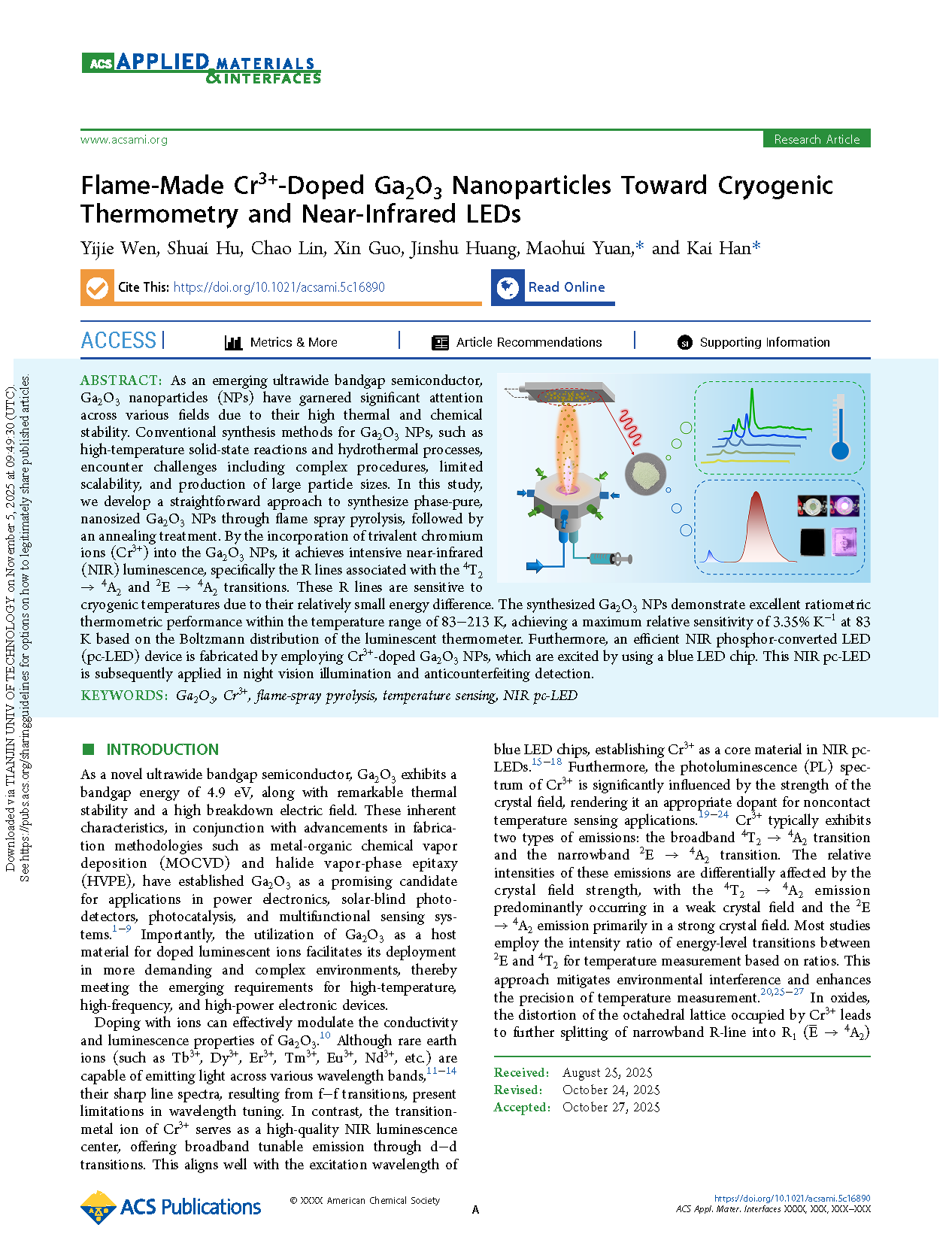
Researchers from the National University of Defense Technology have published a dissertation titled "Flame-Made Cr3+-Doped Ga2O3 Nanoparticles Toward Cryogenic Thermometry and Near-Infrared LEDs" in ACS Applied Materials & Interfaces.
Project Support
This work was supported by Huxiang Youth Talent Support Program (grant number2021RC3074).
Background
Gallium oxide (Ga2O3), as an emerging ultrawide bandgap semiconductor, possesses high thermal stability and a high breakdown electric field, making it promising for power electronics and solar-blind photodetectors. Doping with Cr³⁺ ions enables broadband near-infrared emission and high-sensitivity temperature sensing, but conventional nanoparticle synthesis methods suffer from low efficiency, large particle size, and poor controllability. Flame spray pyrolysis (FSP) offers rapid high-temperature synthesis of high-purity, uniform nanoparticles, yet Cr³⁺-doped Ga2O3 NPs have not been reported. In this study, Cr³⁺-doped Ga2O3 NPs were synthesized via FSP, and their luminescence was significantly enhanced through high-temperature annealing, enabling applications in temperature sensing and near-infrared lighting.
Abstract
As an emerging ultrawide bandgap semiconductor, Ga2O3 nanoparticles (NPs) have garnered significant attention across various fields due to their high thermal and chemical stability. Conventional synthesis methods for Ga2O3 NPs, such as high-temperature solid-state reactions and hydrothermal processes, encounter challenges including complex procedures, limited scalability, and production of large particle sizes. In this study, we develop a straightforward approach to synthesize phase-pure, nanosized Ga2O3 NPs through flame spray pyrolysis, followed by an annealing treatment. By the incorporation of trivalent chromium ions (Cr3+) into the Ga2O3 NPs, it achieves intensive near-infrared (NIR) luminescence, specifically the R lines associated with the 4T2 → 4A2 and 2E → 4A2 transitions. These R lines are sensitive to cryogenic temperatures due to their relatively small energy difference. The synthesized Ga2O3 NPs demonstrate excellent ratiometric thermometric performance within the temperature range of 83–213 K, achieving a maximum relative sensitivity of 3.35% K–1 at 83 K based on the Boltzmann distribution of the luminescent thermometer. Furthermore, an efficient NIR phosphor-converted LED (pc-LED) device is fabricated by employing Cr3+-doped Ga2O3 NPs, which are excited by using a blue LED chip. This NIR pc-LED is subsequently applied in night vision illumination and anticounterfeiting detection.
Conclusion
In conclusion, Ga2O3:Cr3+ NPs were successfully synthesized by using the FSP method, and their NIR properties were significantly enhanced through high-temperature annealing. The underlying mechanisms were systematically investigated through a comparative analysis of TEM, XRD, and PLE results before and after annealing. The optical performance of Ga2O3:Cr3+ NPs at low temperatures was subsequently characterized, revealing an enhanced R-line emission intensity from the 2E → 4A2 transition at cryogenic temperatures. The R1 and R2 emission lines, which originate from energy-level splitting, exhibited distinct temperature dependencies governed by the Boltzmann distribution. This phenomenon facilitated FIR-based temperature sensing, obtaining a high Sr value of 3.35% K−1 at 83 K, indicating superior cryogenic sensing capability for Ga2O3:Cr3+ NPs. Additionally, these Ga2O3:Cr3+ NPs were integrated with commercial 450 nm LEDs to fabricate NIR pc-LEDs, which demonstrated the high performance of NIR luminescence as well as excellent performance in night vision and anticounterfeiting applications.
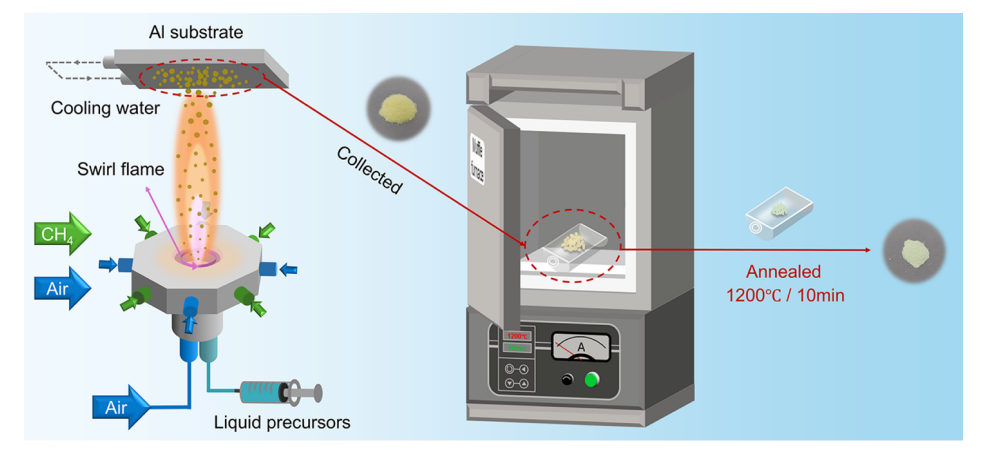
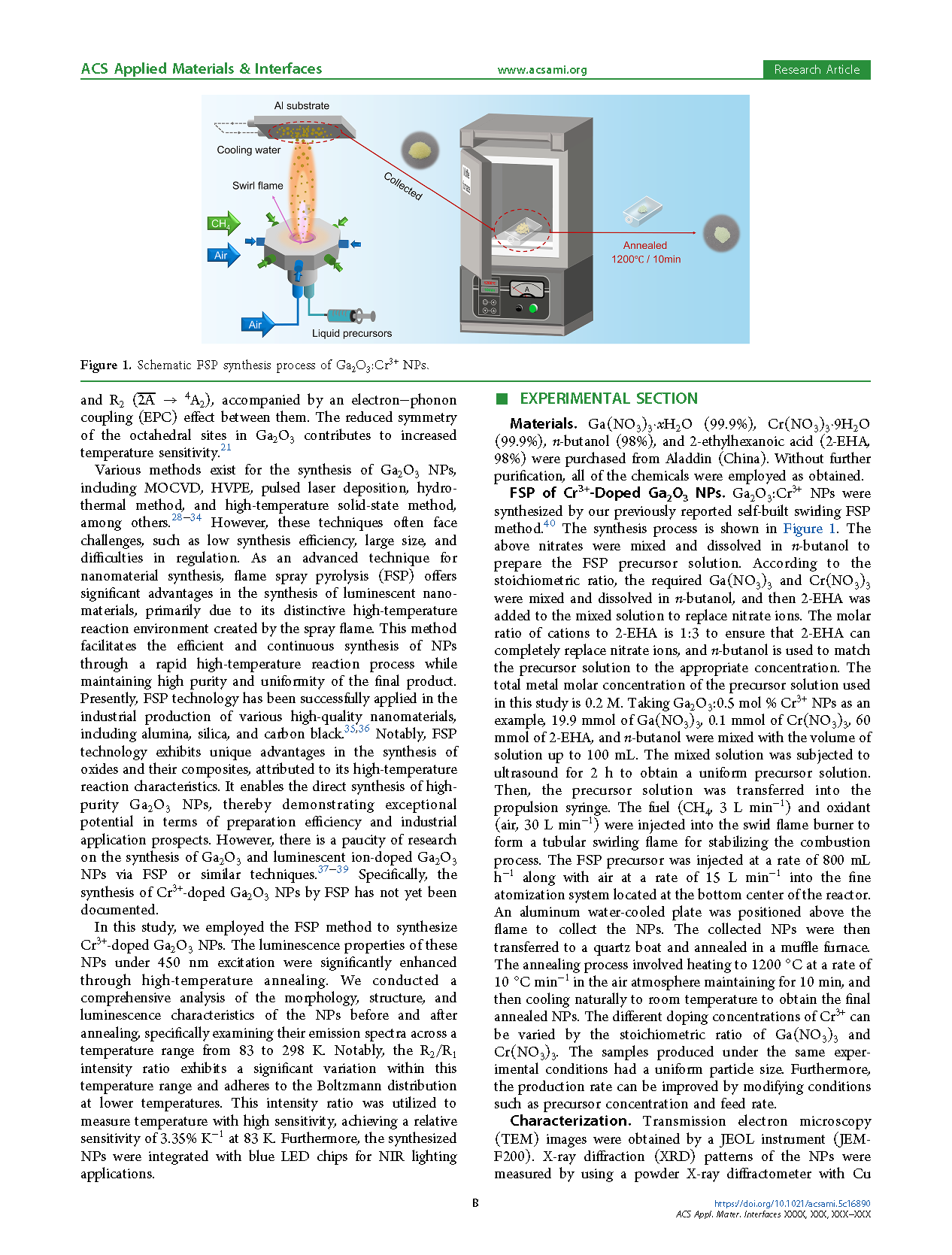
Figure 1. Schematic FSP synthesis process of Ga2O3:Cr3+ NPs
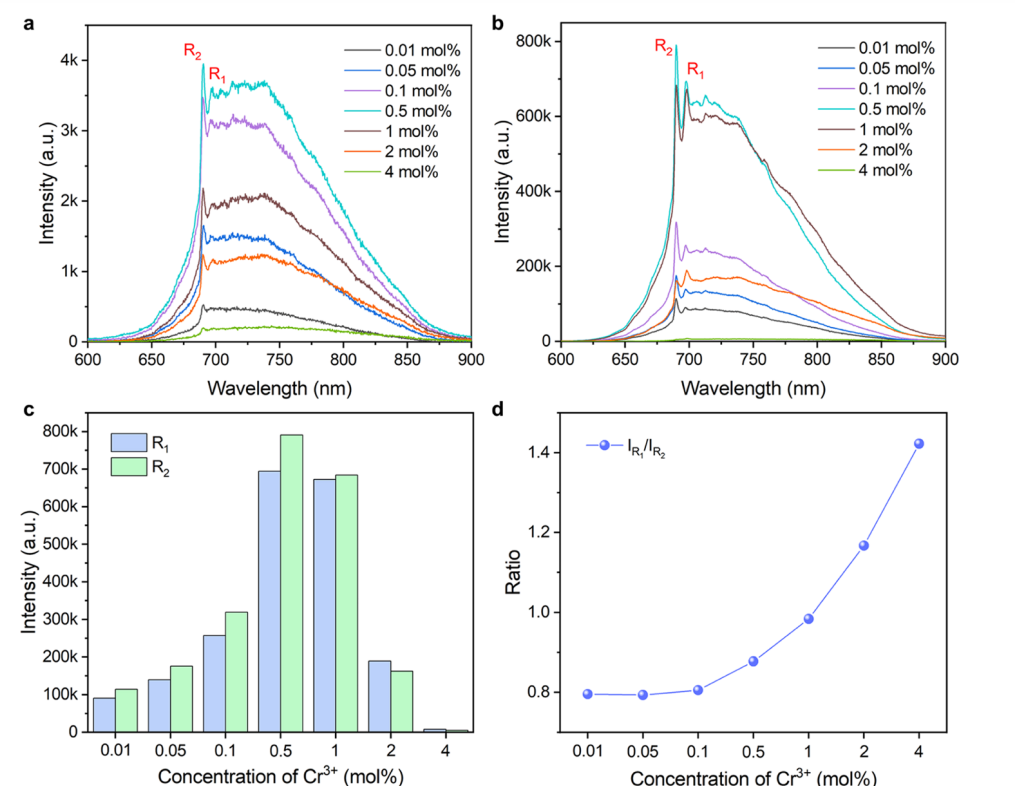
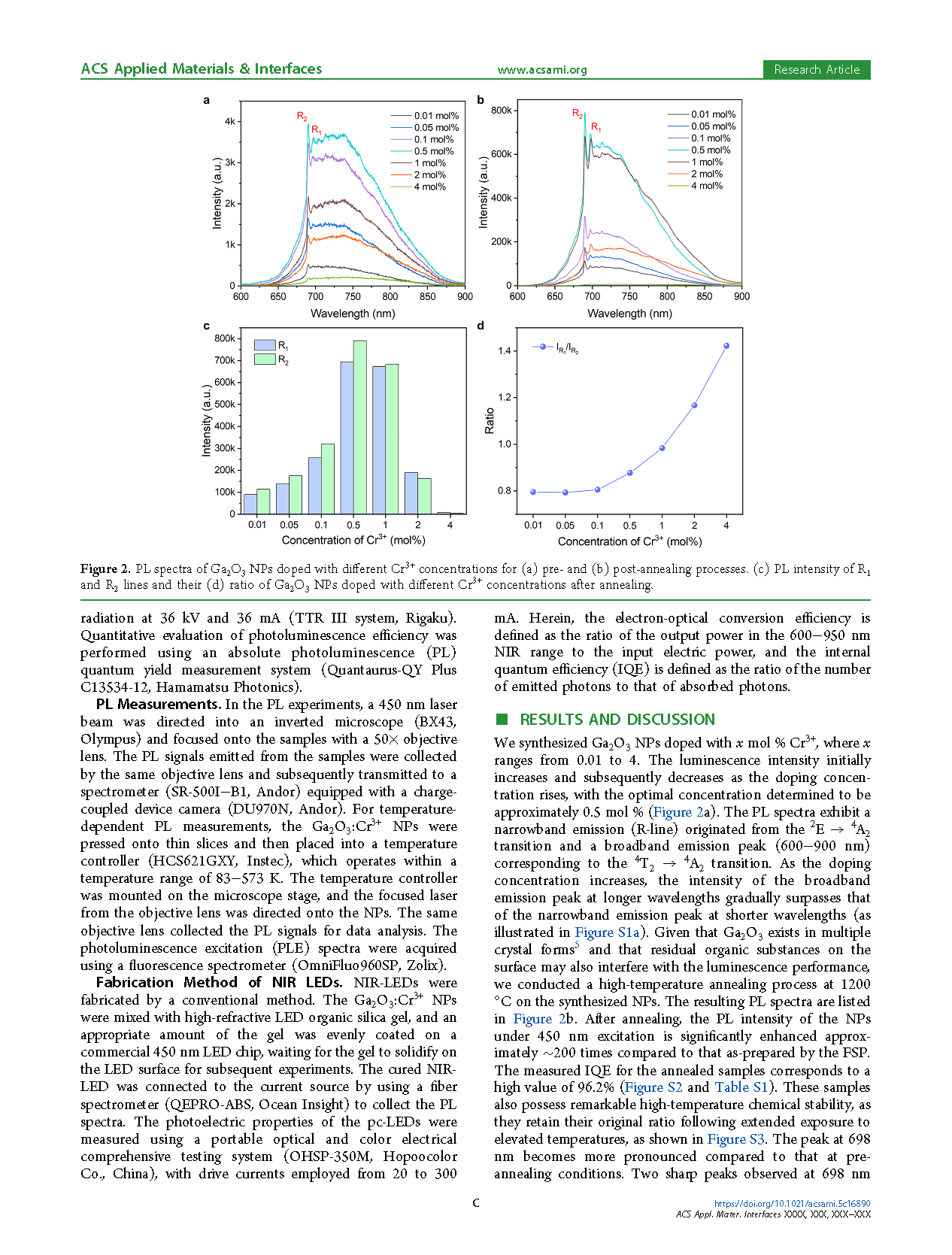
Figure 2. PL spectra of Ga2O3 NPs doped with different Cr3+ concentrations for (a) pre- and (b) post-annealing processes. (c) PL intensity of R1 and R2 lines and their (d) ratio of Ga2O3 NPs doped with different Cr3+ concentrations after annealing.
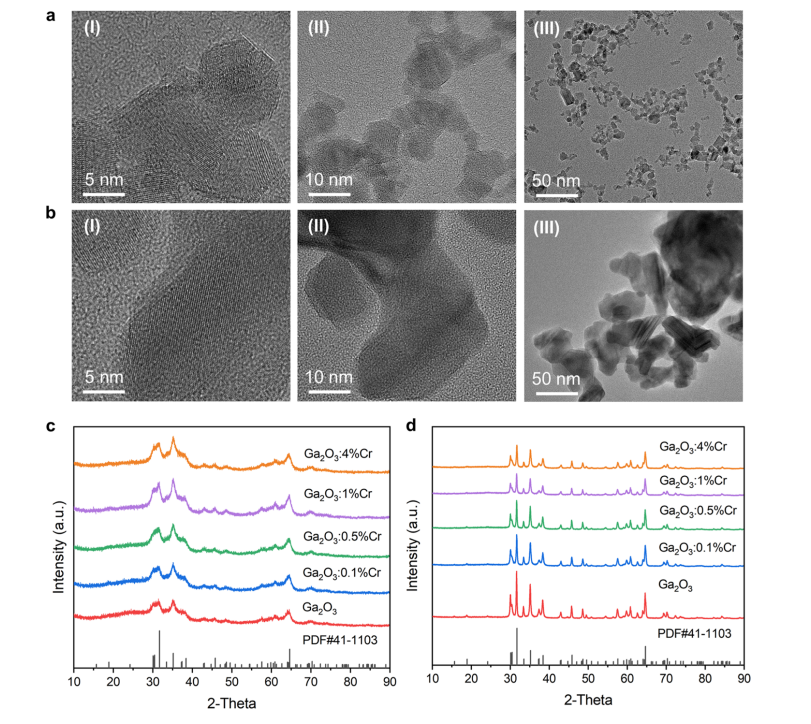
Figure 3. TEM images of Ga2O3:0.5 mol % Cr3+ NPs (a) before and (b) after annealing. XRD patterns of Ga2O3 NPs doped with different Cr3+ concentrations (c) before and (d) after annealing.

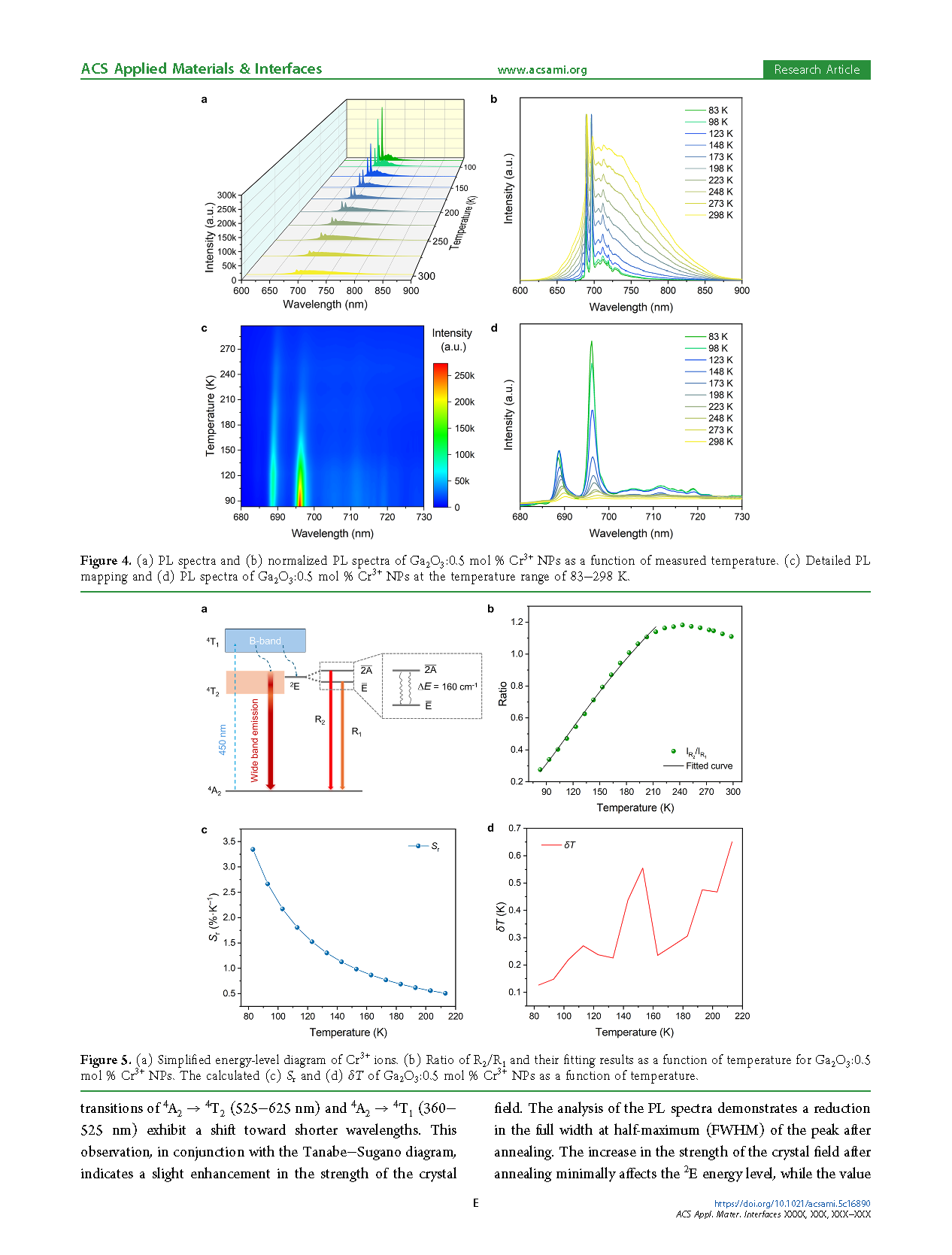
Figure 4. (a) PL spectra and (b) normalized PL spectra of Ga2O3:0.5 mol % Cr3+ NPs as a function of measured temperature. (c) Detailed PL mapping and (d) PL spectra of Ga2O3:0.5 mol % Cr3+ NPs at the temperature range of 83−298 K.
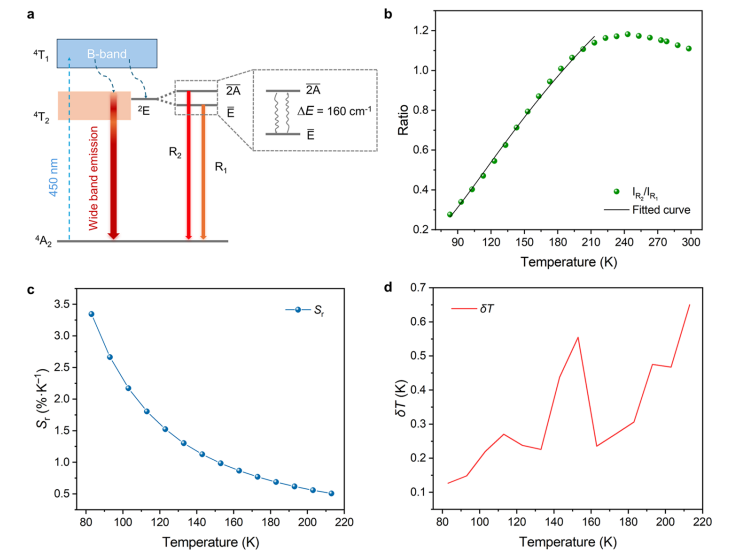
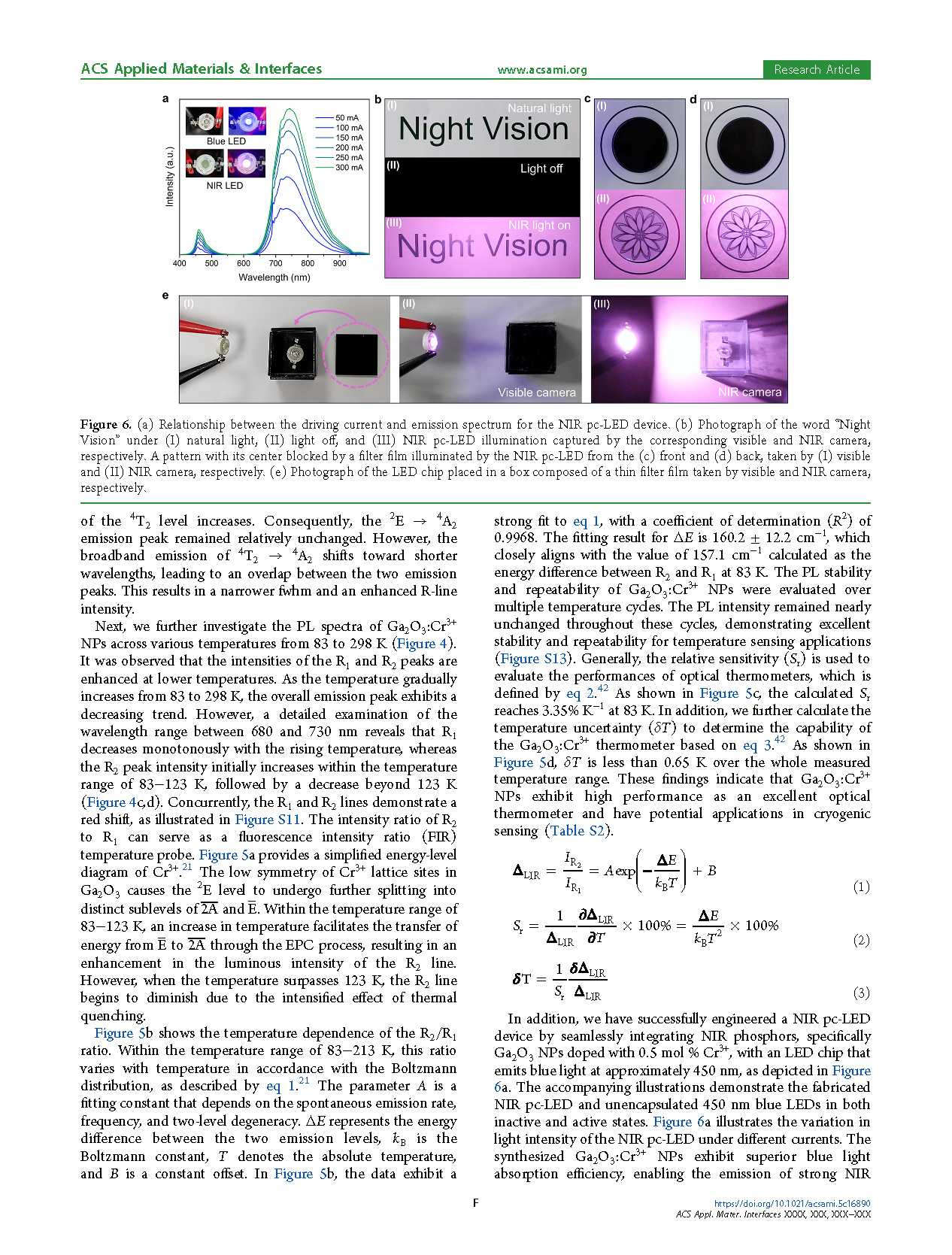
Figure 5. (a) Simplified energy-level diagram of Cr3+ ions. (b) Ratio of R2/R1 and their fitting results as a function of temperature for Ga2O3:0.5 mol % Cr3+ NPs. The calculated (c) Sr and (d) δT of Ga2O3:0.5 mol % Cr3+ NPs as a function of temperature.
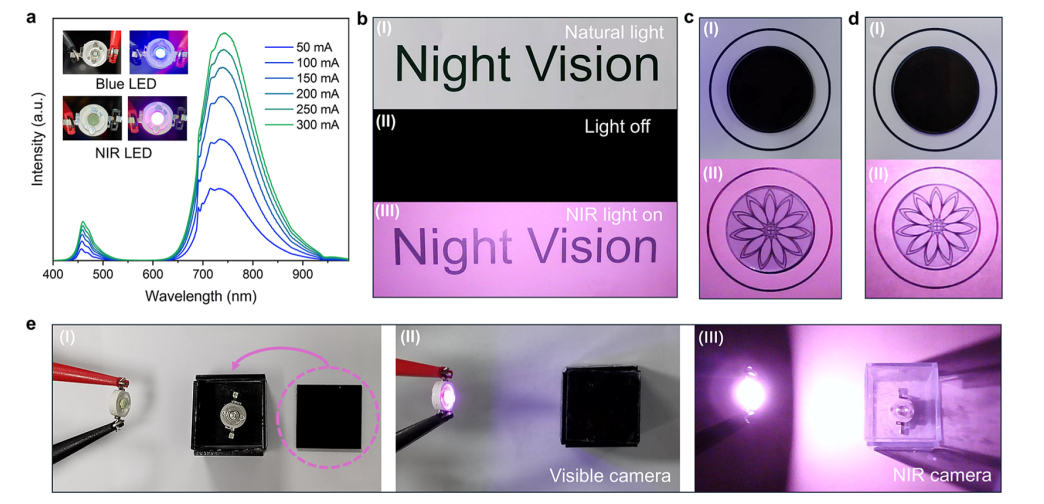
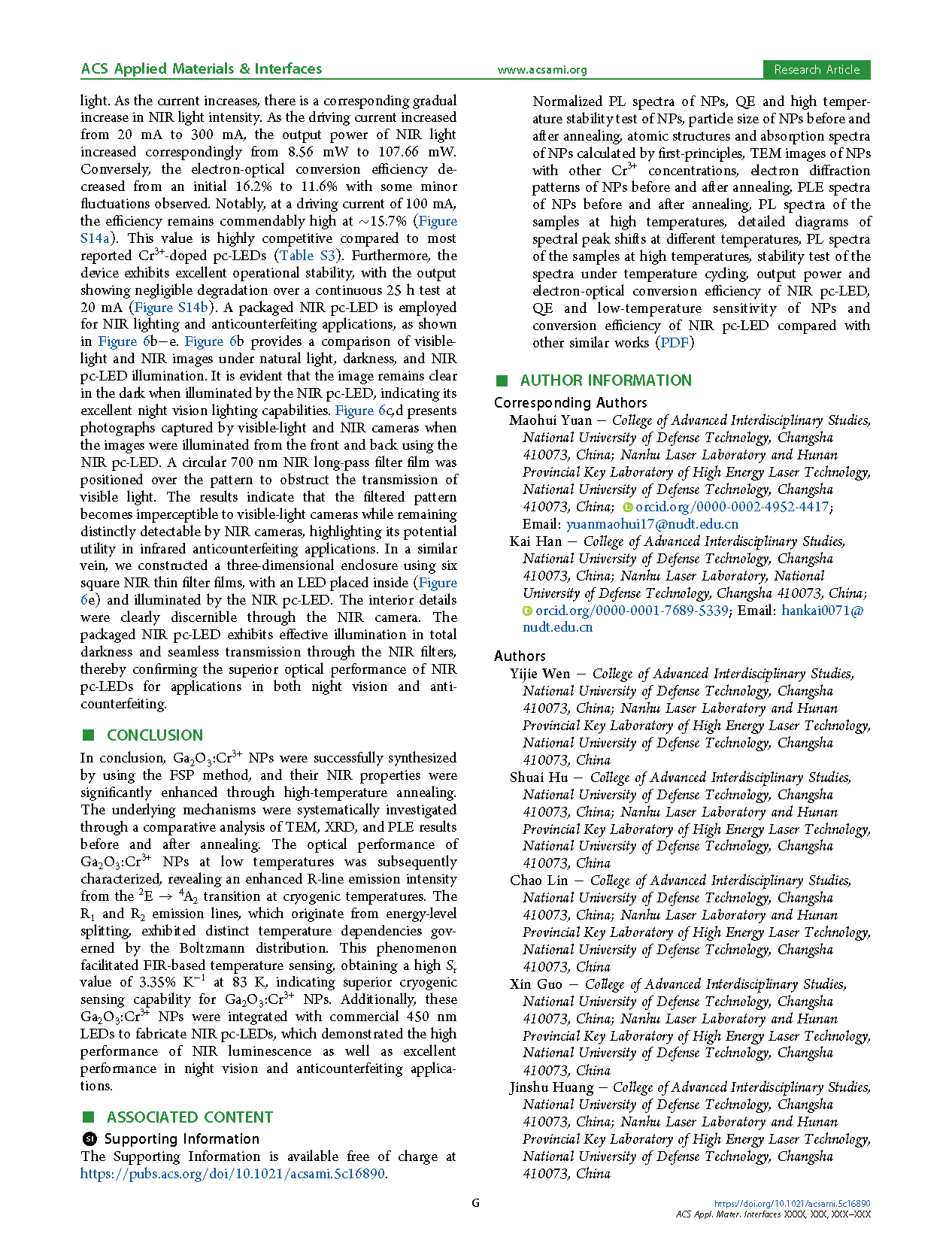
Figure 6. (a) Relationship between the driving current and emission spectrum for the NIR pc-LED device. (b) Photograph of the word “Night Vision” under (I) natural light, (II) light off, and (III) NIR pc-LED illumination captured by the corresponding visible and NIR camera, respectively. A pattern with its center blocked by a filter film illuminated by the NIR pc-LED from the (c) front and (d) back, taken by (I) visible and (II) NIR camera, respectively. (e) Photograph of the LED chip placed in a box composed of a thin filter film taken by visible and NIR camera, respectively.
DOI:
doi.org/10.1021/acsami.5c16890

Instruction
Official Account

Cooperation
Top