


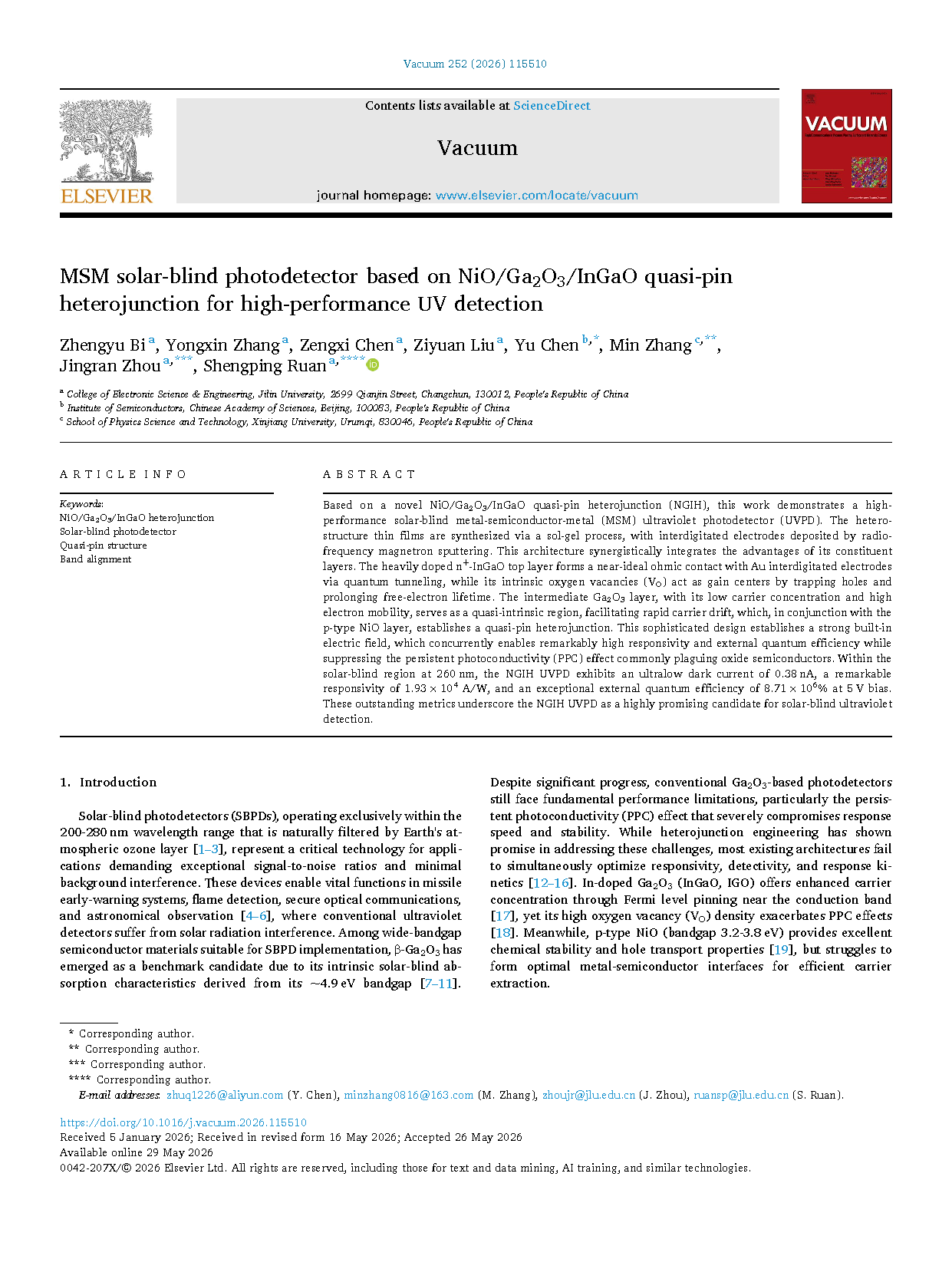
Researchers from Jilin University, Institute of Semiconductors, Chinese Academy of Sciences and Xinjiang University have published a dissertation titled "MSM solar-blind photodetector based on NiO/Ga₂O₃/InGaO quasi-pin heterojunction for high-performance UV detection" in Vacuum.
Background
Solar-blind photodetectors working at 200–280 nm are core devices for missile early warning, flame monitoring and secure ultraviolet communication. β-Ga₂O₃ with ~4.9 eV bandgap is the mainstream material for solar-blind detection, yet conventional single-layer Ga₂O₃ photodetectors suffer from severe persistent photoconductivity (PPC), poor response speed and unbalanced photoelectric parameters. Heterojunction construction is an effective strategy to optimize device performance, but most existing bilayer heterostructures cannot synchronously improve responsivity, detectivity and response characteristic. In-doped Ga₂O₃ (InGaO) features elevated carrier concentration but excessive oxygen vacancies aggravate PPC; p-type NiO possesses outstanding hole transport capacity and chemical stability, while it is hard to form ideal ohmic contact with metal electrodes. Conventional MSM detectors are limited by high contact barrier and large dark current. Aiming at above drawbacks, this work constructs a novel three-layer quasi-PIN heterostructure combining NiO, intrinsic Ga₂O₃ and heavily doped InGaO via low-cost sol-gel, optimizes interface band alignment to build strong built-in electric field, restrains PPC and realizes ultrahigh photoelectric performance.
Abstract
Based on a novel NiO/Ga₂O₃/InGaO quasi-pin heterojunction (NGIH), this work demonstrates a high-performance solar-blind metal-semiconductor-metal (MSM) ultraviolet photodetector (UVPD). The heterostructure thin films are synthesized via a sol-gel process, with interdigitated electrodes deposited by radiofrequency magnetron sputtering. This architecture synergistically integrates the advantages of its constituent layers. The heavily doped n⁺-InGaO top layer forms a near-ideal ohmic contact with Au interdigitated electrodes via quantum tunneling, while its intrinsic oxygen vacancies (VO) act as gain centers by trapping holes and prolonging free-electron lifetime. The intermediate Ga₂O₃ layer, with its low carrier concentration and high electron mobility, serves as a quasi-intrinsic region, facilitating rapid carrier drift, which, in conjunction with the p-type NiO layer, establishes a quasi-pin heterojunction. This sophisticated design establishes a strong built-in electric field, which concurrently enables remarkably high responsivity and external quantum efficiency while suppressing the persistent photoconductivity (PPC) effect commonly plaguing oxide semiconductors. Within the solar-blind region at 260 nm, the NGIH UVPD exhibits an ultralow dark current of 0.38 nA, a remarkable responsivity of 1.93×10⁴ A/W,and an exceptional external quantum efficiency of 8.71×10⁶ % at 5V bias. These outstanding metrics underscore the NGIH UVPD as a highly promising candidate for solar-blind ultraviolet detection.
Highlights
First proposed a novel NiO/Ga₂O₃/InGaO quasi-PIN three-layer heterojunction MSM solar-blind UV detector fabricated by low-cost sol-gel combining RF sputtering.
Heavily doped n⁺-InGaO realizes barrier-free ohmic contact with Au via quantum tunneling, inherent oxygen vacancies improve photoconductive gain by hole trapping.
Middle high-mobility Ga₂O₃ works as quasi-intrinsic layer to accelerate carrier drift; strong built-in electric field from heterojunction drastically suppresses PPC effect and dark current simultaneously.
The prepared device achieves ultra-high responsivity, detectivity and EQE, superior to most reported Ga₂O₃/NiO-based heterojunction photodetectors.
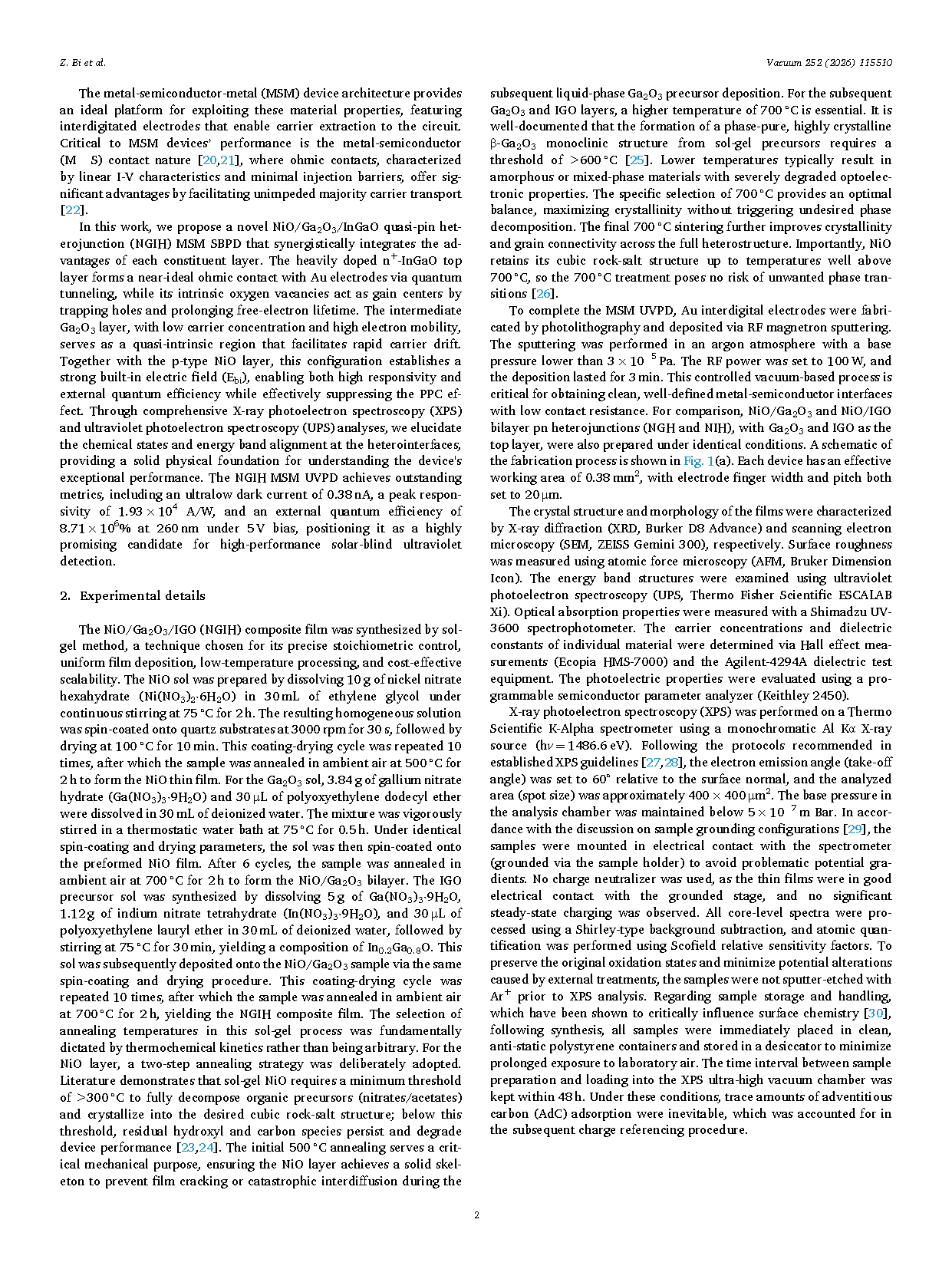
Conclusion
In this work, we have successfully demonstrated a high-performance solar-blind MSM ultraviolet photodetector based on a novel NiO/Ga₂O₃/InGaO quasi-pin heterojunction (NGIH) architecture fabricated through an optimized sol-gel process combined with RF magnetron sputtering. The NGIH architecture's innovation stems from its strategic integration of three complementary functional layers. The heavily doped n⁺-InGaO top layer forms a near-ideal ohmic contact with Au electrodes through quantum tunneling, eliminating carrier injection barriers while simultaneously leveraging oxygen vacancies to extend carrier lifetime and enhance photoconductive gain. The intermediate Ga₂O₃ layer, with its low carrier concentration and high electron mobility, functions as an effective quasi-intrinsic region that facilitates rapid carrier drift. Most critically, the P-type NiO layer establishes a strong built-in electric field across the fully depleted heterointerface, enabling efficient carrier separation while dramatically suppressing dark current. The resulting NGIH UVPD achieves an exceptional balance between photoconductive gain and response speed, delivering a peak responsivity of 1.93×10⁴ A/W an external quantum efficiency of 8.71×10⁶ % and a detectivity of 9.18×10¹⁵ Jones at 260 nm under 5 V bias. These performance metrics significantly exceed those of single-layer and bilayer counterparts, underscoring the advantages of the quasi-pin heterojunction design, establishing the NGIH architecture as a promising platform for highperformance solar-blind ultraviolet photodetection.
Project Support
The authors are grateful to the National Natural Science Foundation of China (Grant No. 12374397), Project of Science and Technology Plan of Jilin Province (Grant No. YDZJ202501ZYTS294), and the Project of Jilin Provincial Development and Reform Commission (2018C040-2) for the support to this work.
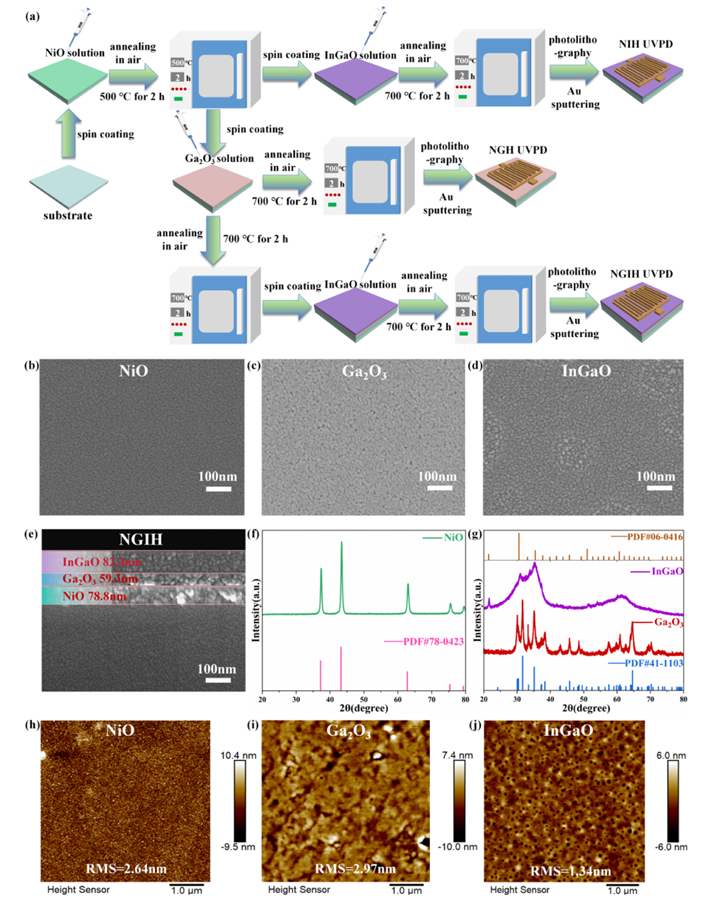
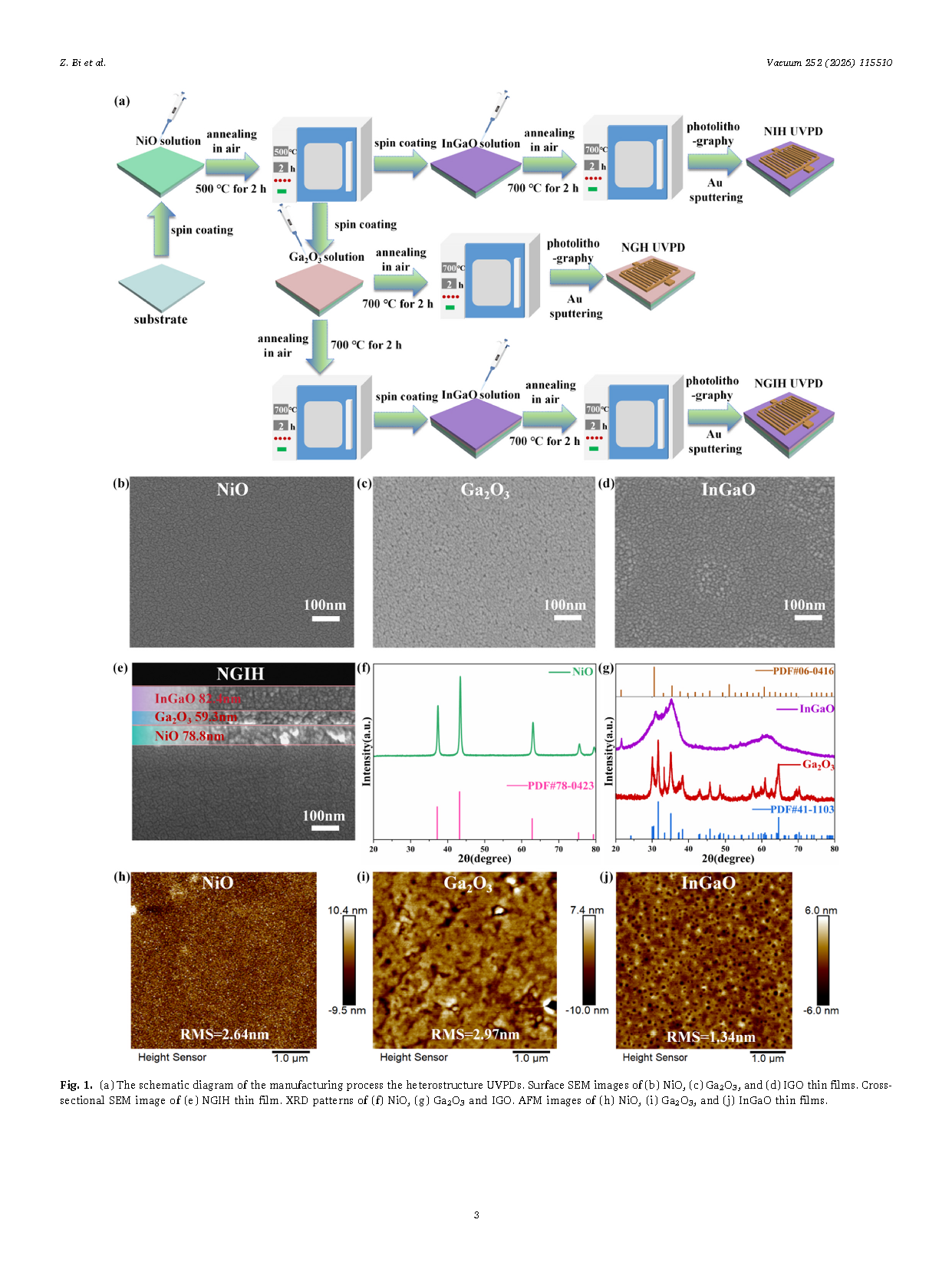
Figure 1 (a) The schematic diagram of the manufacturing process the heterostructure UVPDs. Surface SEM images of (b) NiO, (c) Ga₂O₃, and (d) IGO thin films. Crosssectional SEM image of (e) NGIH thin film. XRD patterns of (f) NiO, (g) Ga₂O₃ and IGO. AFM images of (h) NiO, (i) Ga₂O₃ and (j) InGaO thin films.
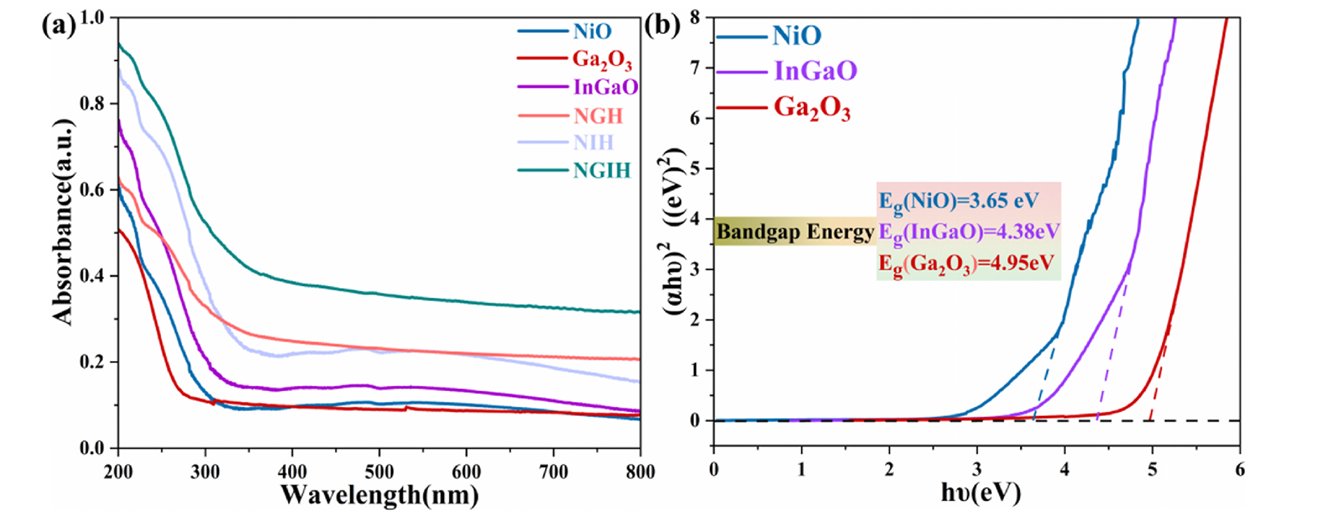
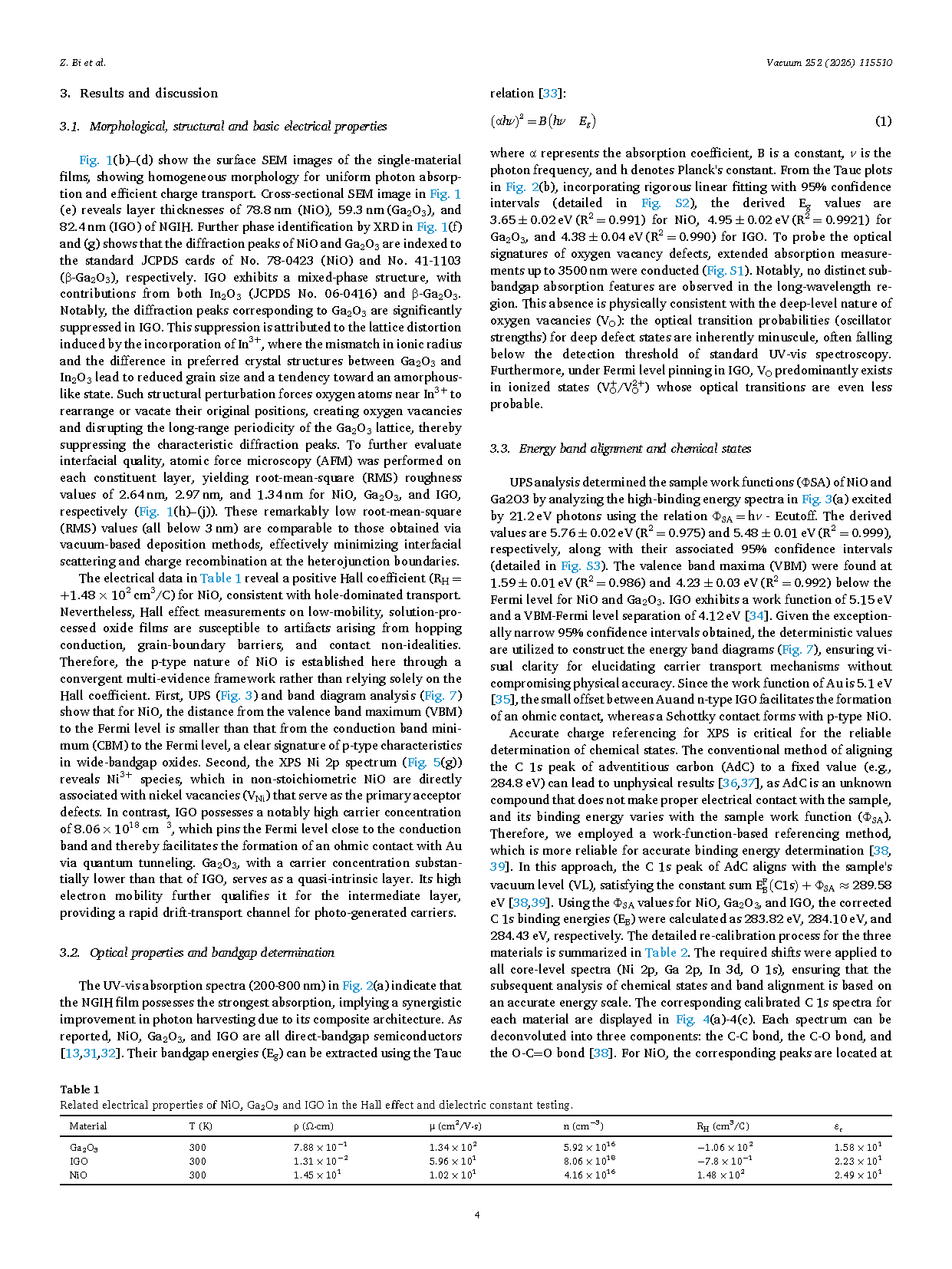
Figure 2 (a) UV-vis absorption spectra of the NiO, Ga₂O₃, IGO, NGH, NIH and NGIH thin films. (b) Tauc plots of NiO, Ga₂O₃, and IGO films.
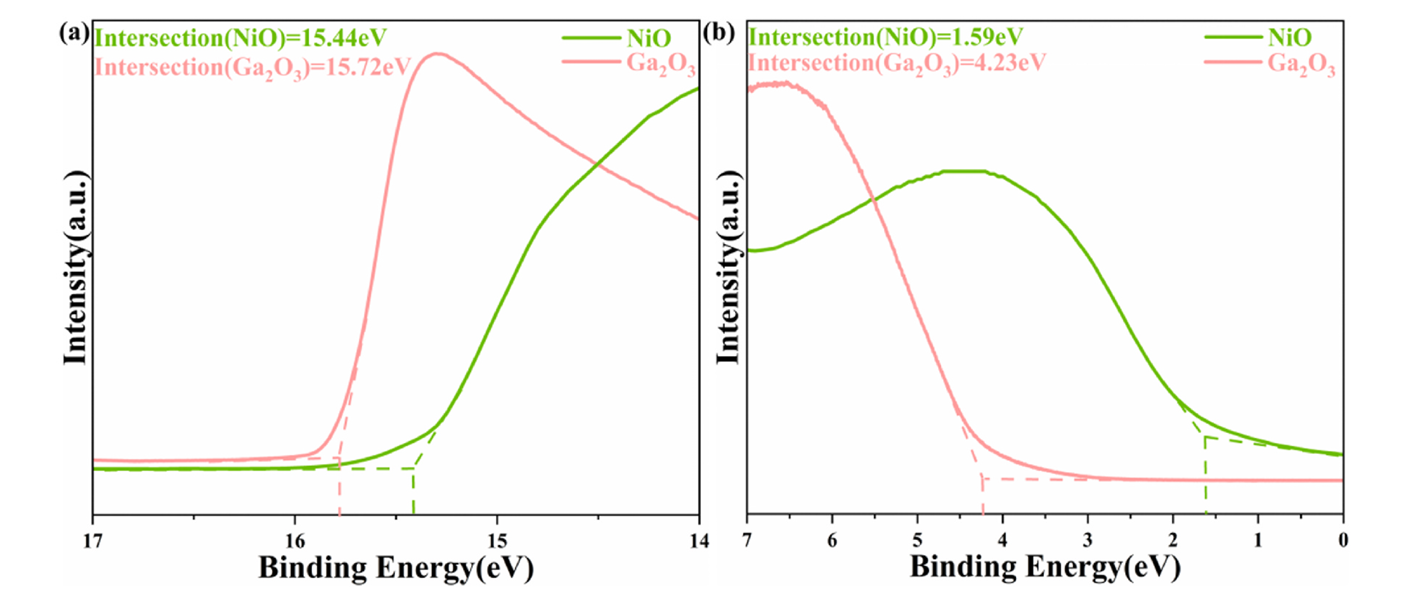
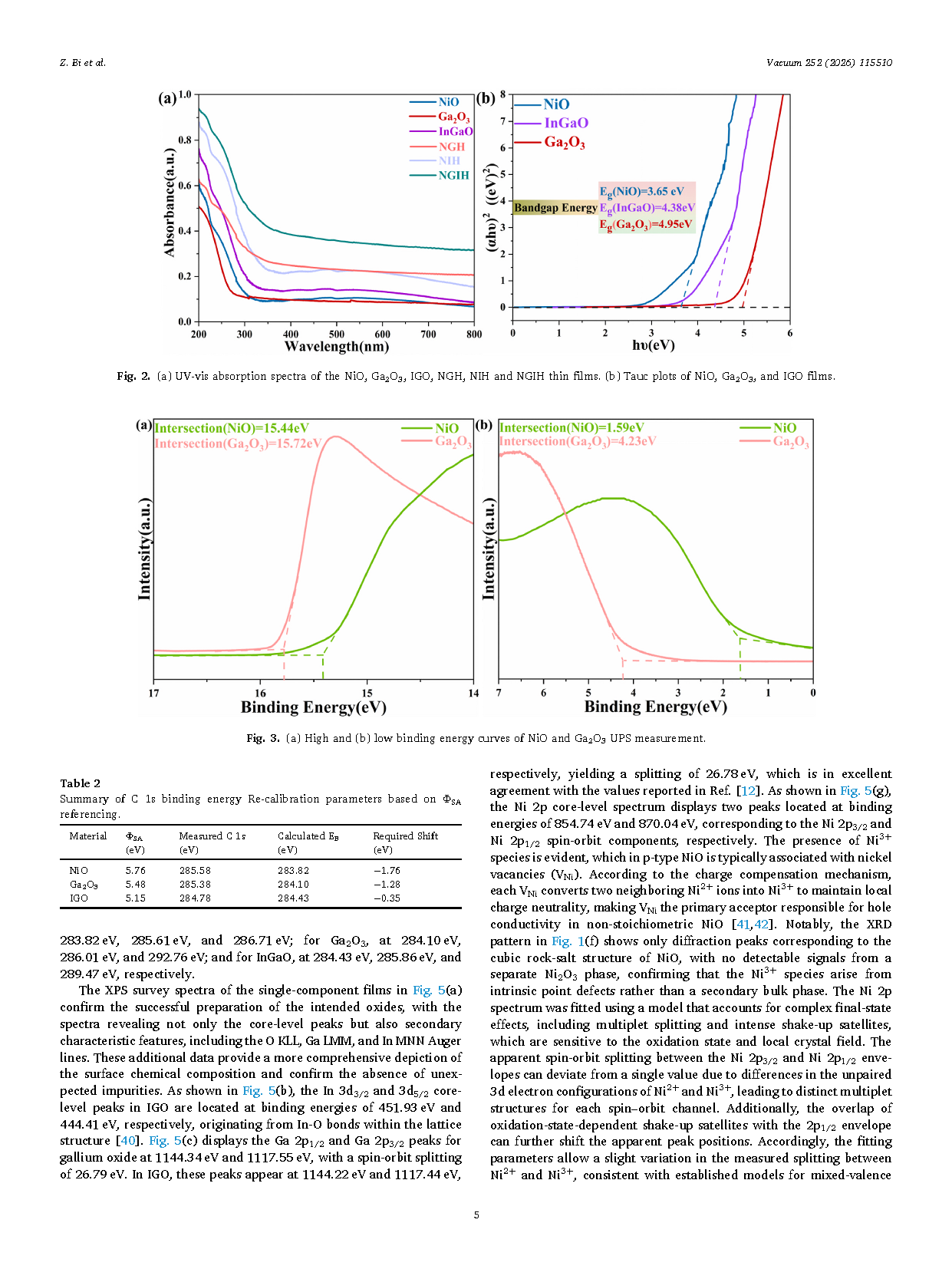
Figure 3 (a) High and (b) low binding energy curves of NiO and Ga₂O₃ UPS measurement.
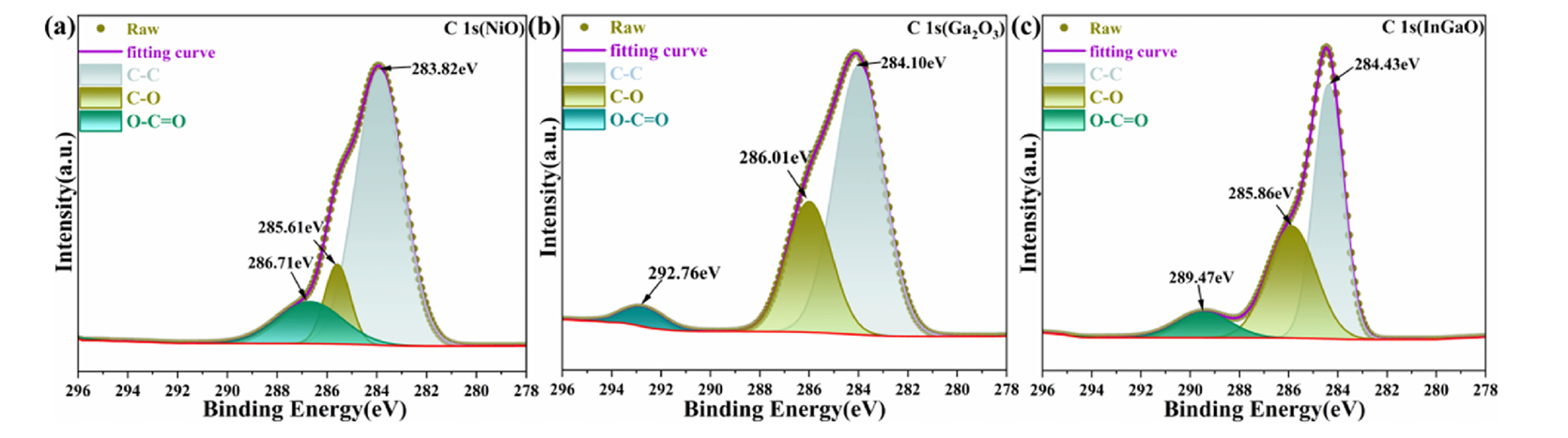
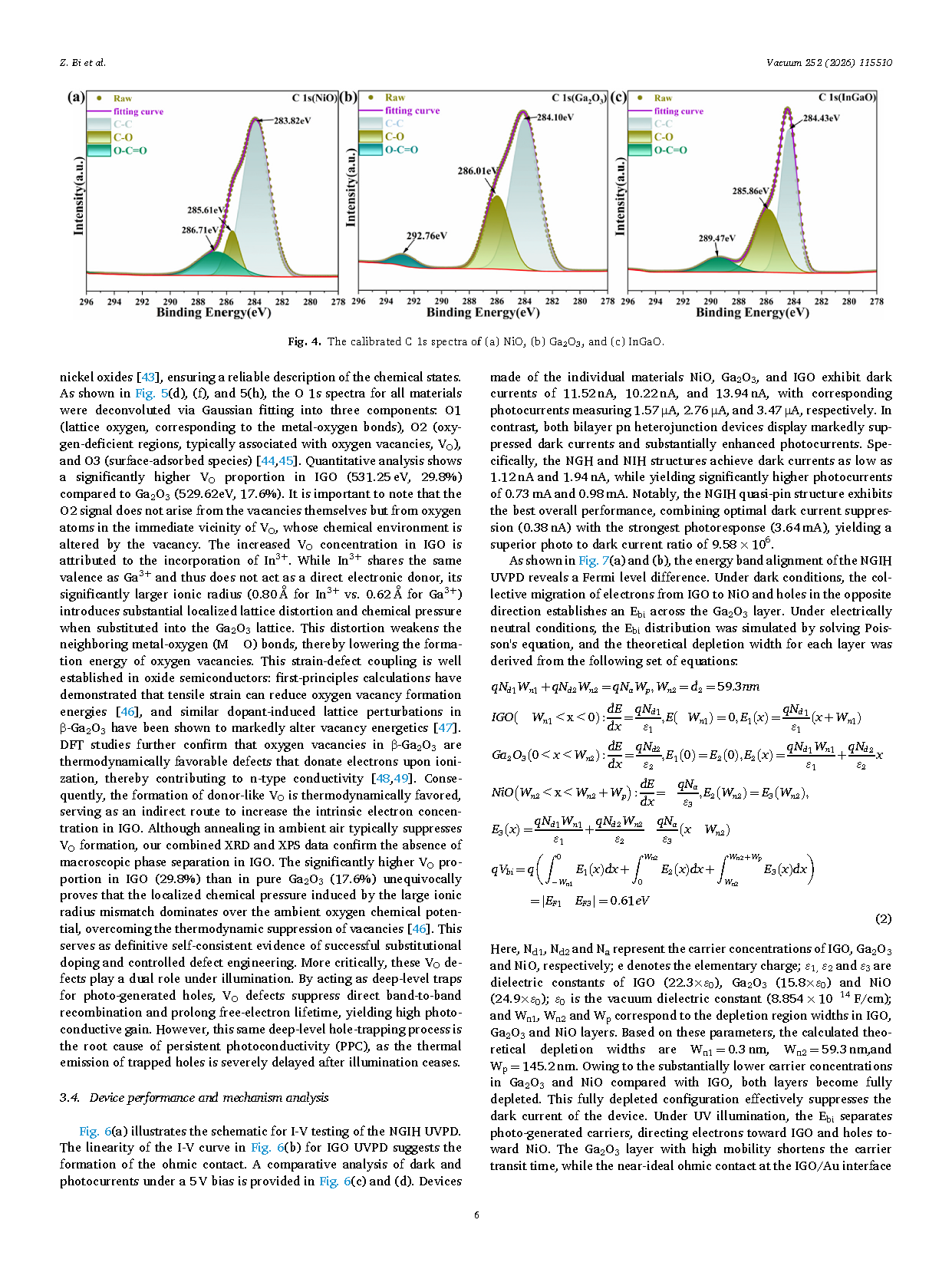
Figure 4 The calibrated C 1s spectra of (a) NiO, (b) Ga₂O₃,and (c) InGaO.
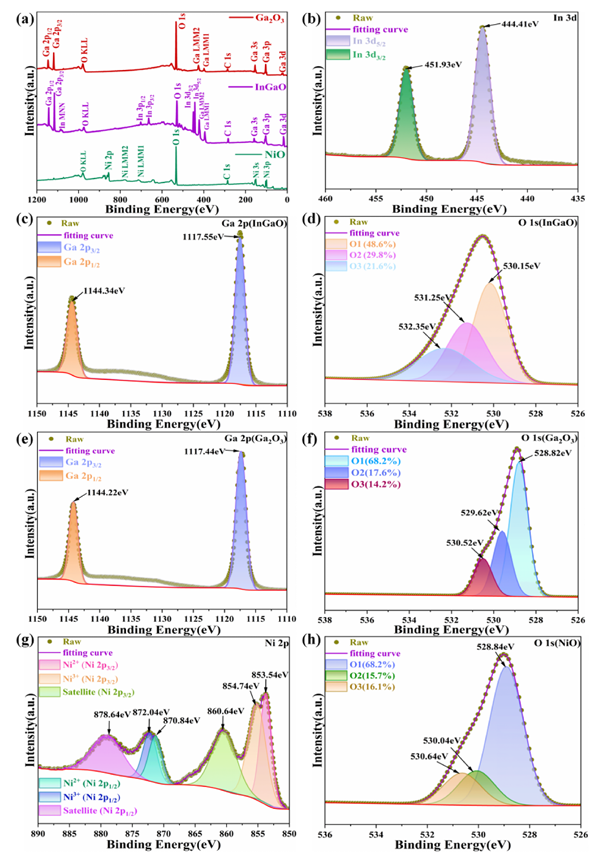
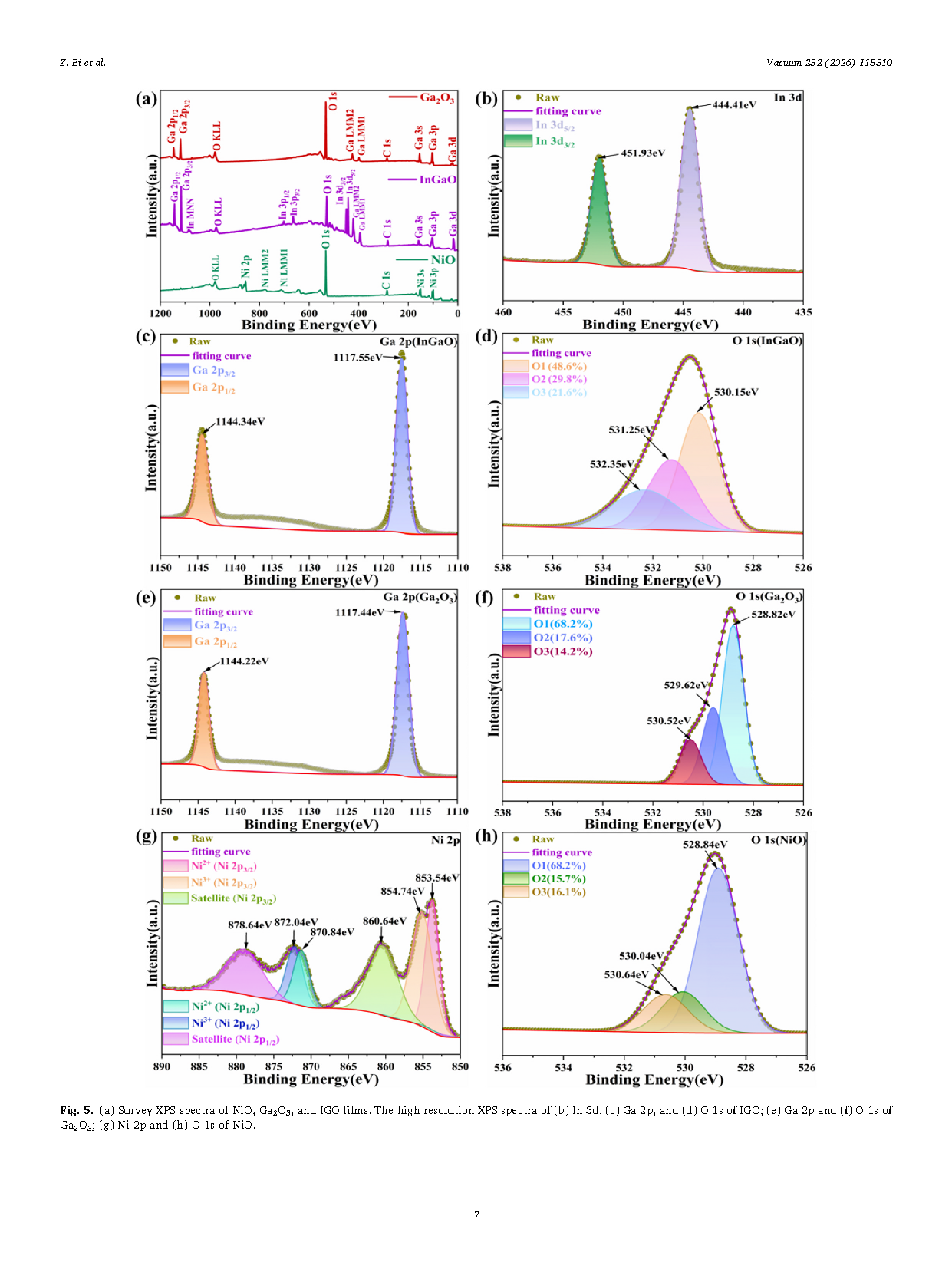
Figure 5 (a) Survey XPS spectra of NiO, Ga₂O₃ and IGO films. The high resolution XPS spectra of (b) In 3d, (c) Ga 2p, and (d) O 1s of IGO; (e) Ga 2p and (f) O 1s of Ga₂O₃; (g) Ni 2p and (h) O 1s of NiO.
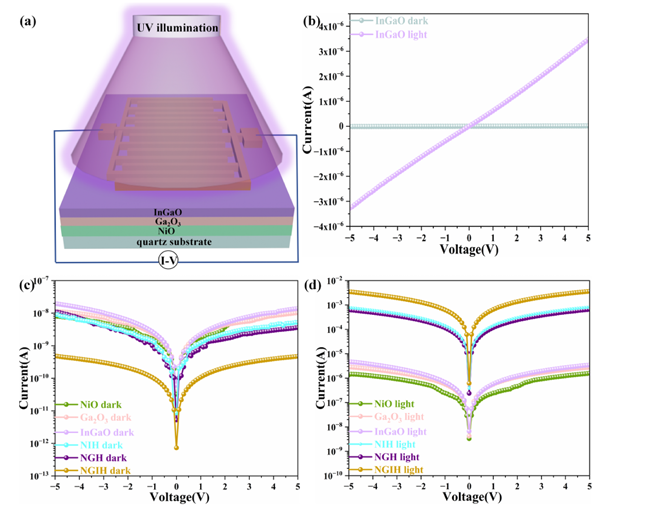
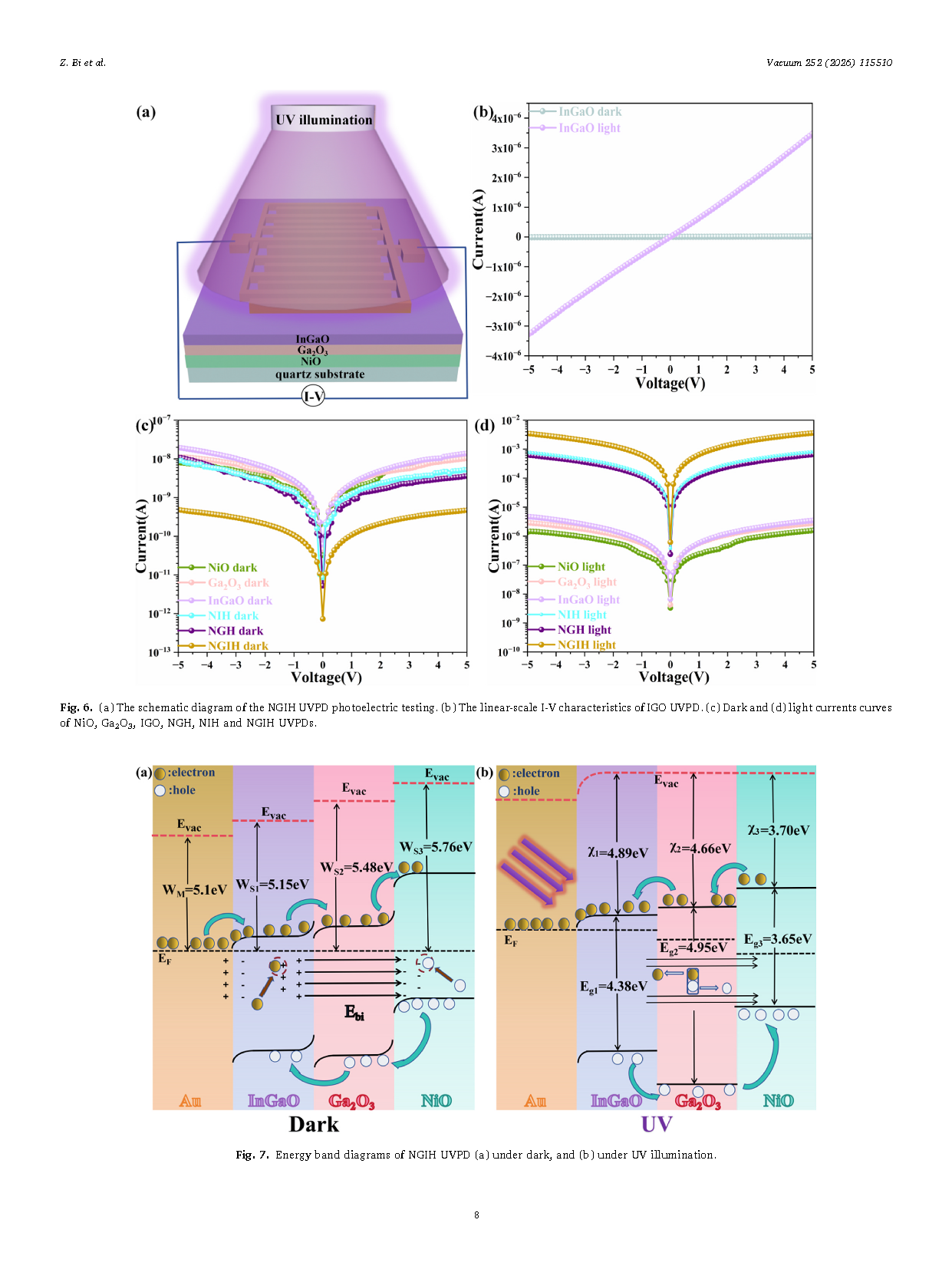
Figure 6 (a) The schematic diagram of the NGIH UVPD photoelectric testing. (b) The linear-scale I-V characteristics of IGO UVPD. (c) Dark and (d) light currents curves of NiO, Ga₂O₃ IGO, NGH, NIH and NGIH UVPDs.
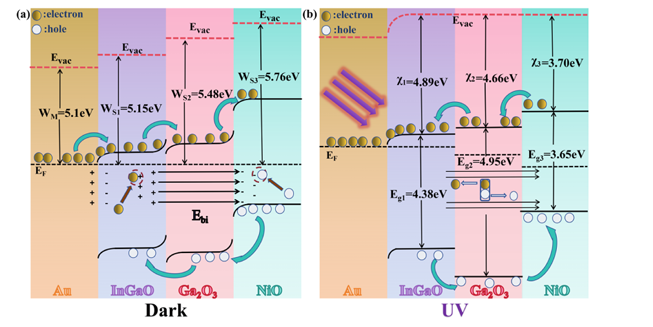
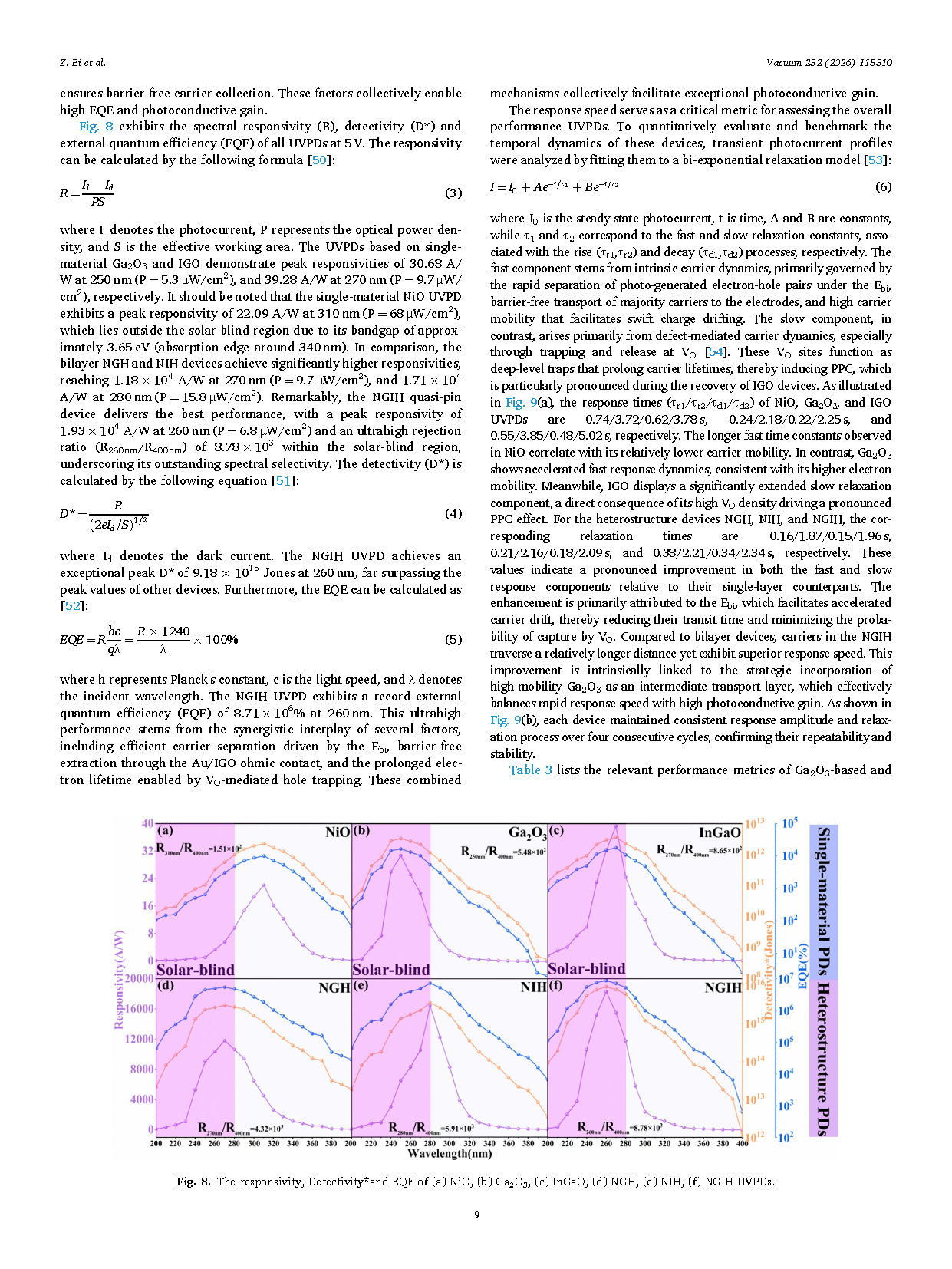
Figure 7 Energy band diagrams of NGIH UVPD (a) under dark, and (b) under UV illumination.
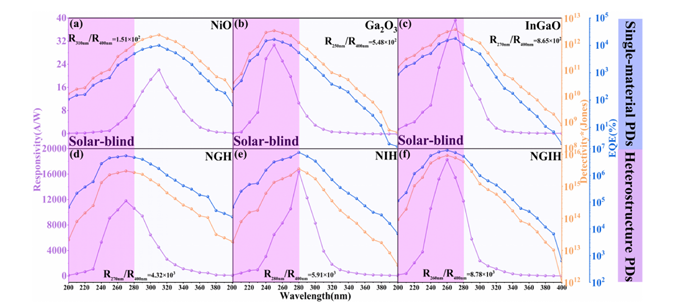
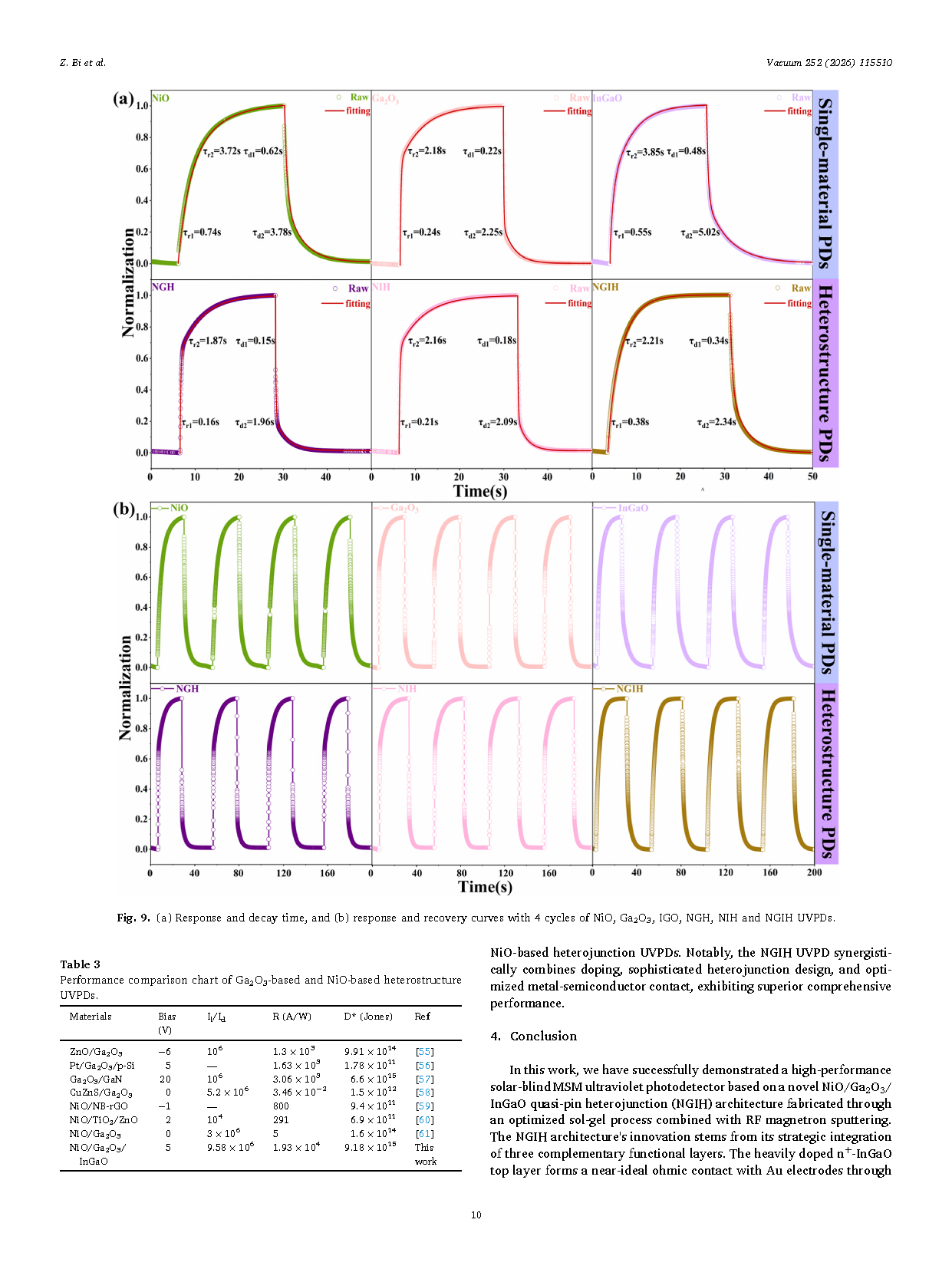
Figure 8 The responsivity, Detectivity*and EQE of (a) NiO, (b) Ga₂O₃ , (c) InGaO,(d) NGH,(e) NIH,(f) NGIH UVPDs.
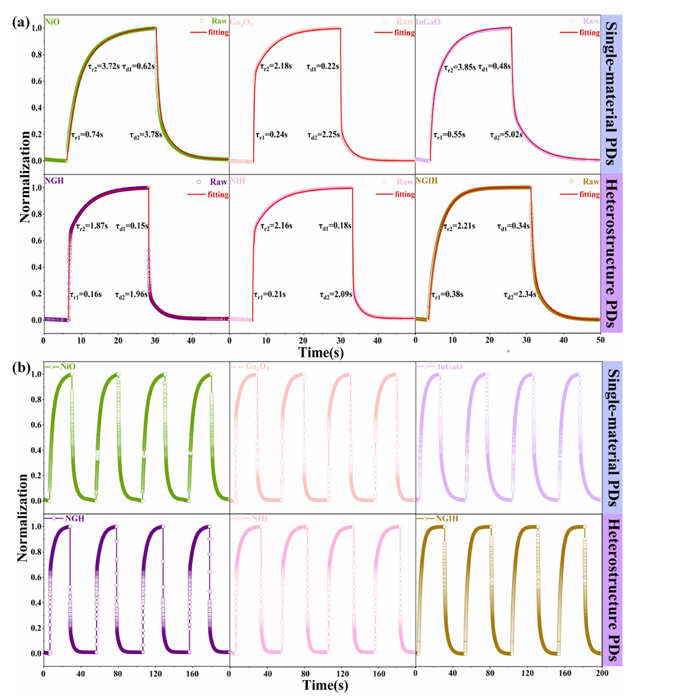
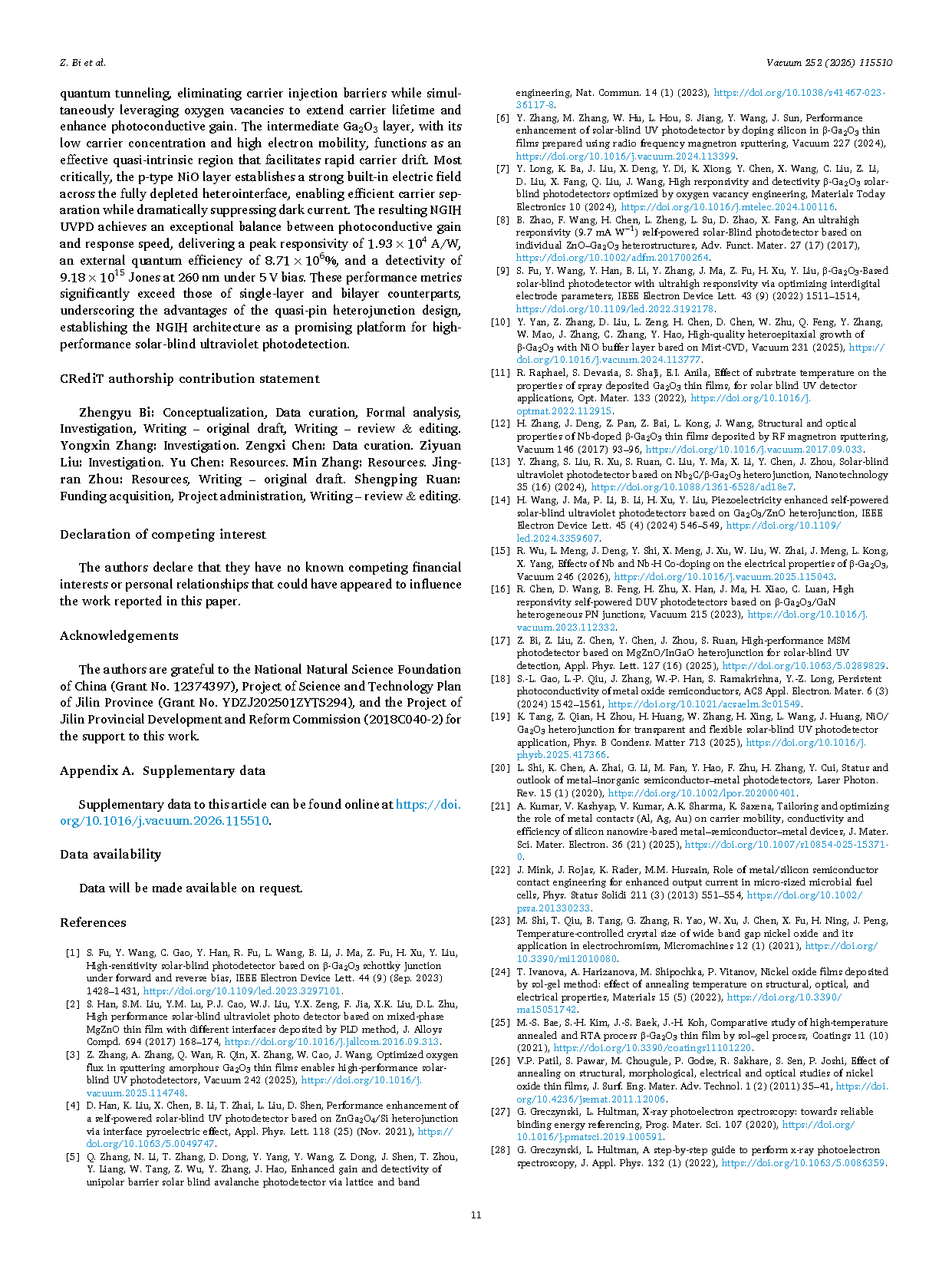
Figure 9 (a) Response and decay time, and (b) response and recovery curves with 4 cycles of NiO, Ga₂O₃, IGO, NGH, NIH and NGIH UVPDs.
DOI:
doi.org/10.1016/j.vacuum.2026.115510
Instruction
Official Account

Cooperation
Top