


Researchers from the Northeastern University have published a paper titled "Gas Sensor Based on Ga₂O₃/MoS₂ Heterostructure for NO₂ Sensing at Room Temperature" in Sensors and Actuators: B. Chemical.
Background
Two-dimensional molybdenum disulfide (MoS₂), with abundant surface active sites, excellent room-temperature carrier mobility and low power consumption, has emerged as a promising 2D material for room-temperature gas sensing. Two-dimensional gallium oxide (Ga₂O₃), featuring an ultra-wide bandgap, high chemical stability and good lattice matching, is an ideal interfacial material for constructing high-performance heterostructures, and their combination synergistically optimizes interfacial electron transport and gas adsorption capabilities. However, conventional 2D MoS₂-based sensors suffer from baseline drift, incomplete recovery and poor long-term stability due to oxygen and moisture adsorption in air. Traditional metal oxide sensors operate at 150–400°C, with high power consumption, short lifespan and low safety. Conventional heterostructure fabrication methods such as solution method, CVD and PVD have obvious shortcomings: the solution method requires high-temperature annealing with poor process controllability, CVD relies on high vacuum and hazardous precursors, PVD has high equipment costs and poor scalability, and traditional trial-and-error experiments also face long R&D cycles, low efficiency and high costs.
Abstract
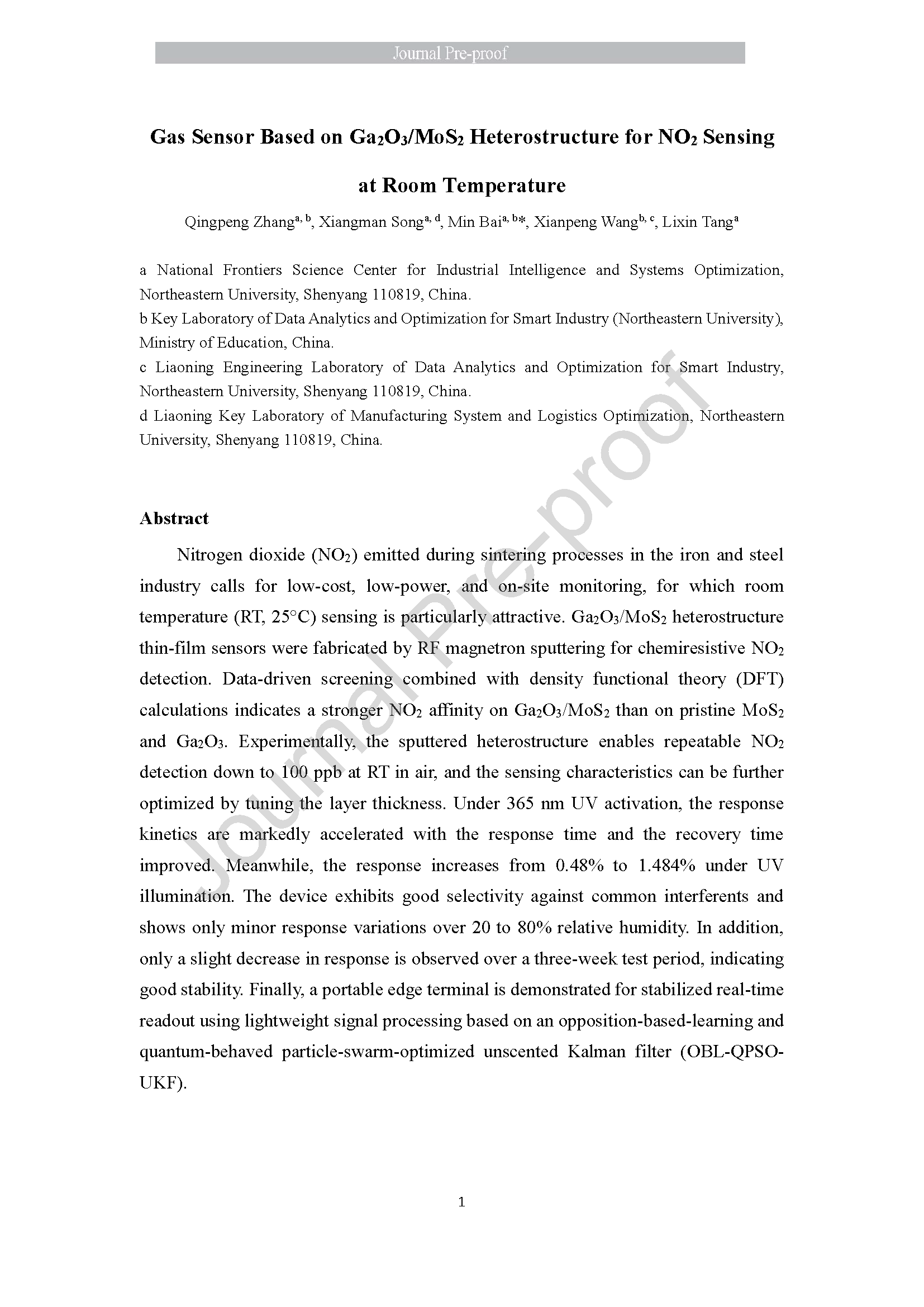
Nitrogen dioxide (NO₂) emitted during sintering processes in the iron and steel industry calls for low-cost, low-power, and on-site monitoring, for which room temperature (RT, 25°C) sensing is particularly attractive. Ga₂O₃/MoS₂ heterostructure thin-film sensors were fabricated by RF magnetron sputtering for chemiresistive NO₂ detection. Data-driven screening combined with density functional theory (DFT) calculations indicates a stronger NO₂ affinity on Ga₂O₃/MoS₂ than on pristine MoS₂ and Ga₂O₃. Experimentally, the sputtered heterostructure enables repeatable NO₂ detection down to 100 ppb at RT in air, and the sensing characteristics can be further optimized by tuning the layer thickness. Under 365 nm UV activation, the response kinetics are markedly accelerated with the response time and the recovery time improved. Meanwhile, the response increases from 0.48% to 1.484% under UV illumination. The device exhibits good selectivity against common interferents and shows only minor response variations over 20 to 80% relative humidity. In addition, only a slight decrease in response is observed over a three-week test period, indicating good stability. Finally, a portable edge terminal is demonstrated for stabilized real-time readout using lightweight signal processing based on an opposition-based-learning and quantum-behaved particle-swarm-optimized unscented Kalman filter (OBL-QPSO-UKF).
Highlights
An RDMS closed-loop strategy integrating machine learning band alignment screening, DFT validation and RF magnetron sputtering is proposed to avoid the drawbacks of traditional trial-and-error experiments and efficiently fabricate high-quality Ga₂O₃/MoS₂
The RF magnetron sputtered Ga₂O₃/MoS₂ sensor achieves highly sensitive NO₂ detection down to 100 ppb in air at room temperature, combining low cost with scalable fabrication advantages.
365 nm UV activation is introduced to significantly increase sensor response and accelerate response/recovery speed, meeting low-power and rapid detection requirements.
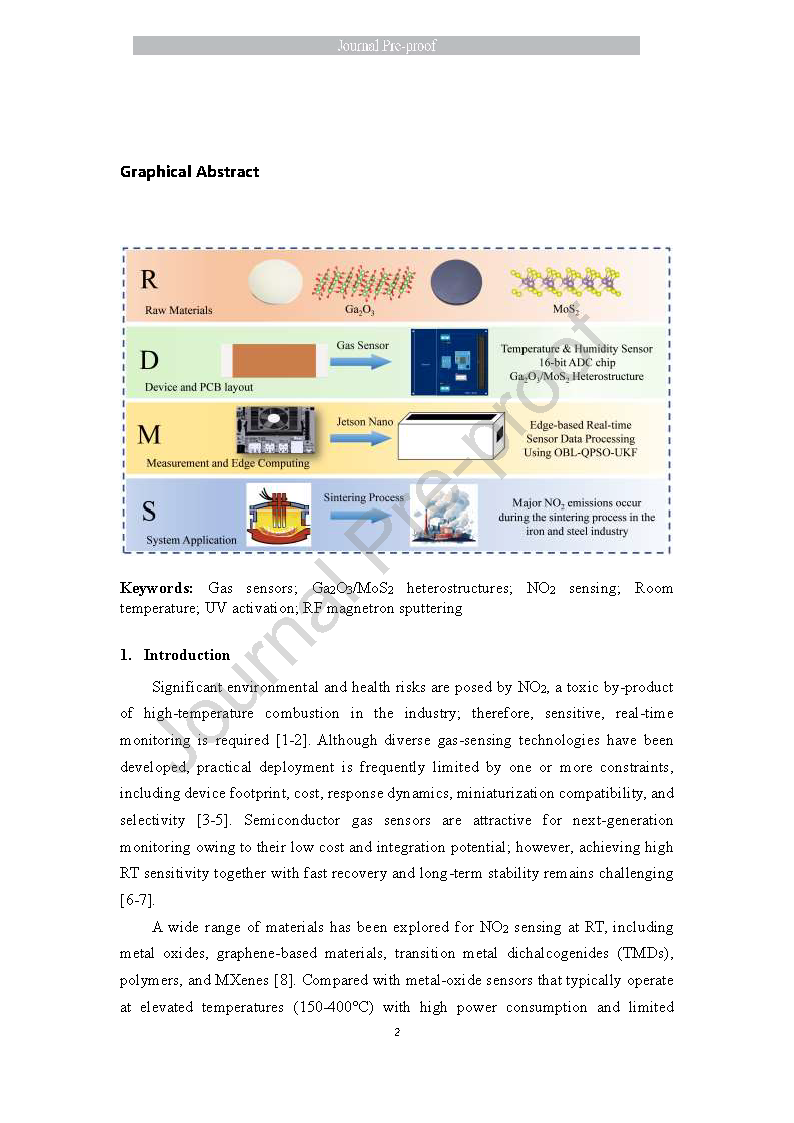
A portable intelligent terminal integrated with the OBL-QPSO-UKF filtering algorithm effectively suppresses signal noise and improves monitoring stability, suitable for real-time monitoring in industrial sites.
Conclusion
In this work, an RDMS-integrated strategy was established for RT NO₂ sensing by combining machine-learning-assisted screening, DFT validation, and RF magnetron sputtering. Ga₂O₃/MoS₂ was identified and experimentally verified as an effective heterostructure for NO₂ detection, enabling reliable sensing down to 100 ppb in air at RT. The sensing performance was found to be thickness dependent and could be further improved under 365 nm UV illumination. Good selectivity, weak humidity dependence, and stable operation over the test period were also achieved. Structural and chemical characterizations confirmed the successful formation of a rough, laterally uniform, and low-crystallinity Ga₂O₃/MoS₂ heterostructure film. In addition, a portable intelligent terminal integrating an OBL-QPSO-UKF filtering framework was demonstrated for stabilized real-time readout. These results indicate that sputtered Ga₂O₃/MoS₂ heterostructures provide a promising platform for practical RT NO₂ sensing.
Project Support
This research was supported by the Major Program of National Natural Science Foundation of China (72192830, 72192831), the Postdoctoral special grant (2022TQ0057) and the 111 Project (B16009).
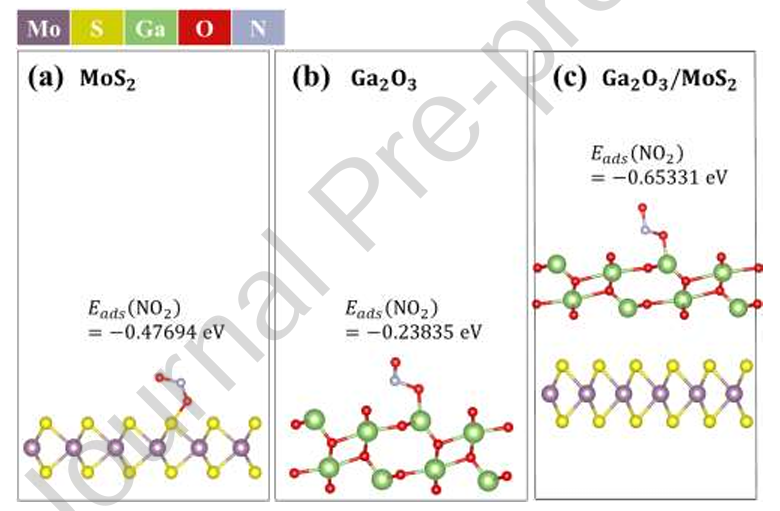
Figure 1 DFT-optimized structures of NO₂ molecules adsorption on (a) MoS₂, (b) Ga₂O₃ and (c) Ga₂O₃/MoS₂.
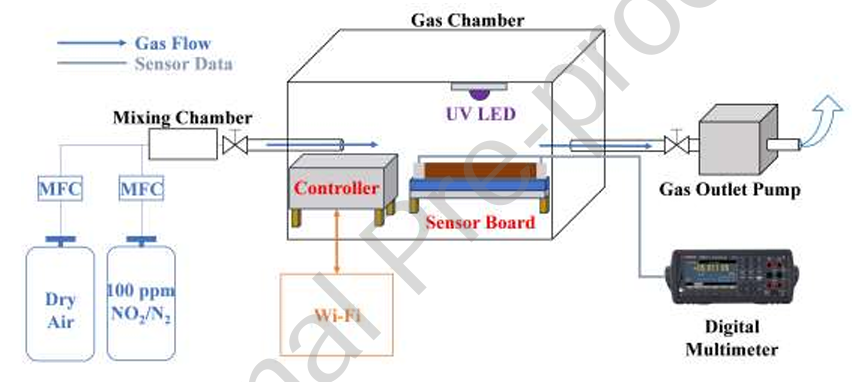
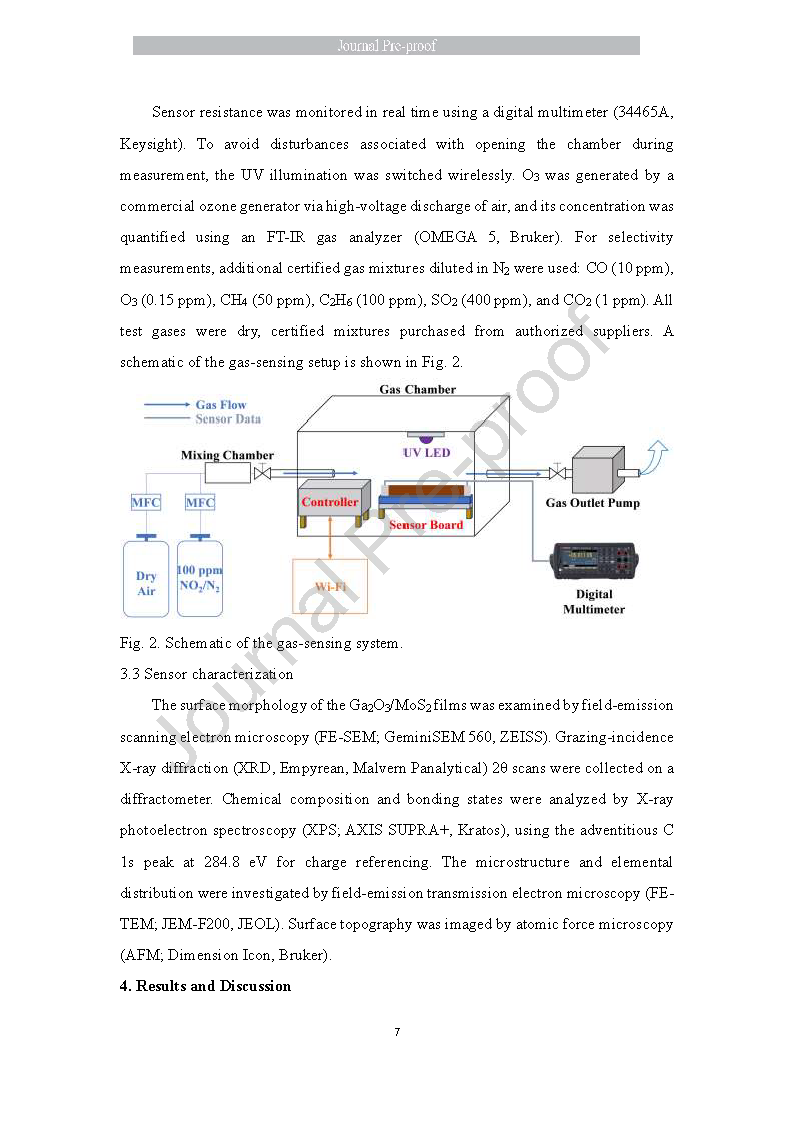
Figure 2 Schematic of the gas-sensing system.
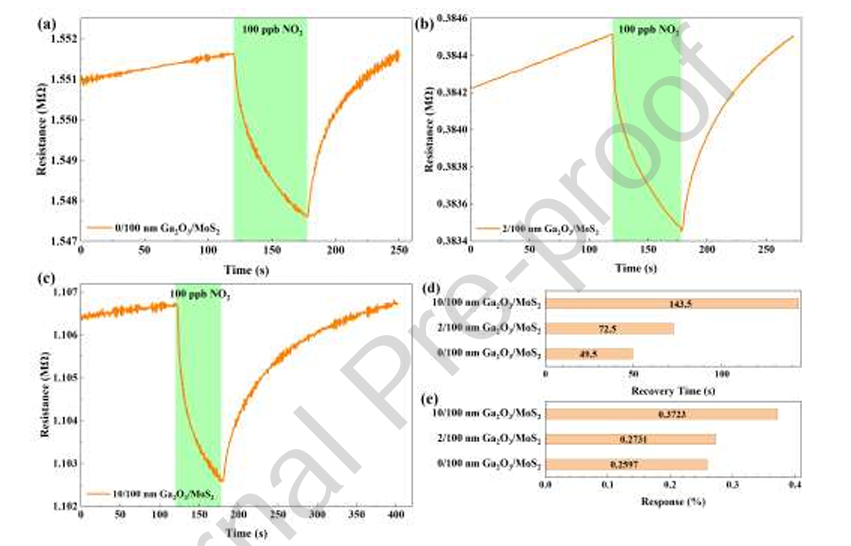
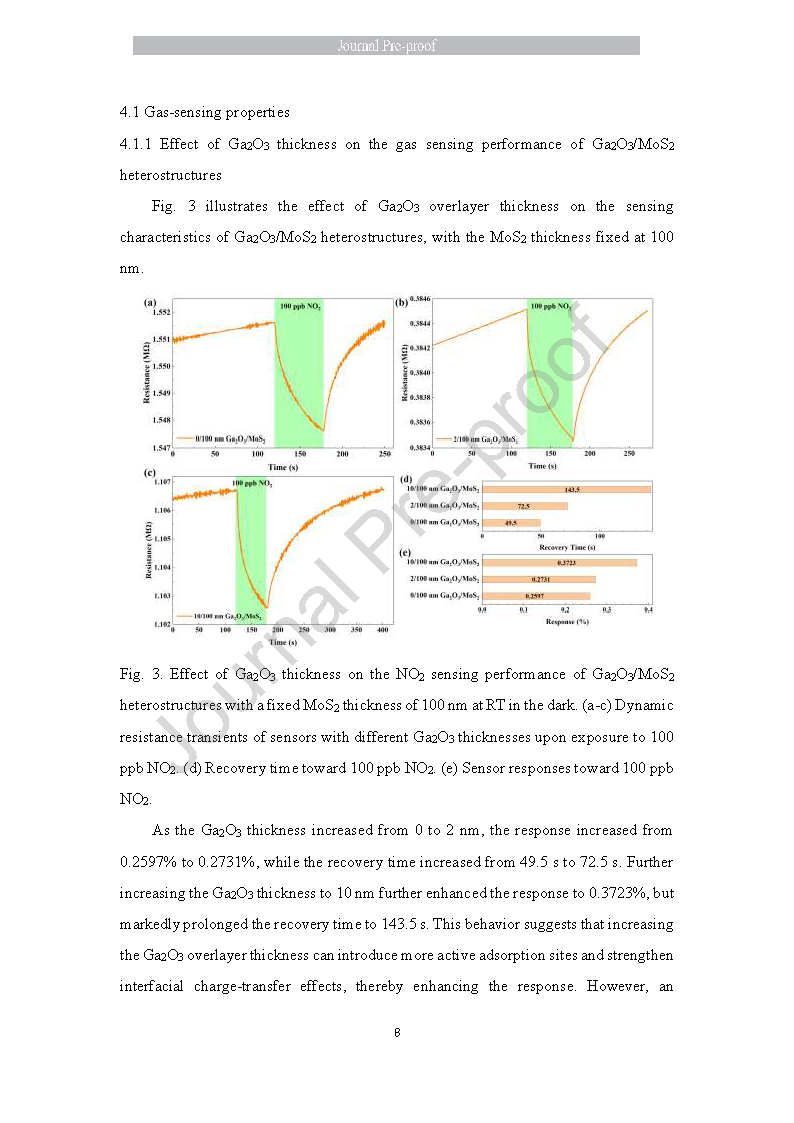
Figure 3 Effect of Ga₂O₃ thickness on the NO₂ sensing performance of Ga₂O₃/MoS₂ heterostructures with a fixed MoS₂ thickness of 100 nm at RT in the dark. (a-c) Dynamic resistance transients of sensors with different Ga₂O₃ thicknesses upon exposure to 100 ppb NO₂. (d) Recovery time toward 100 ppb NO₂. (e) Sensor responses toward 100 ppb NO₂.
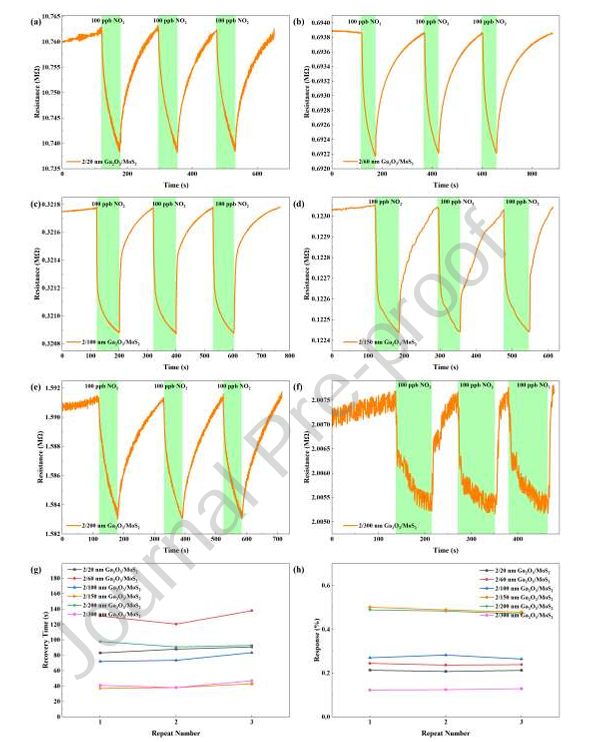
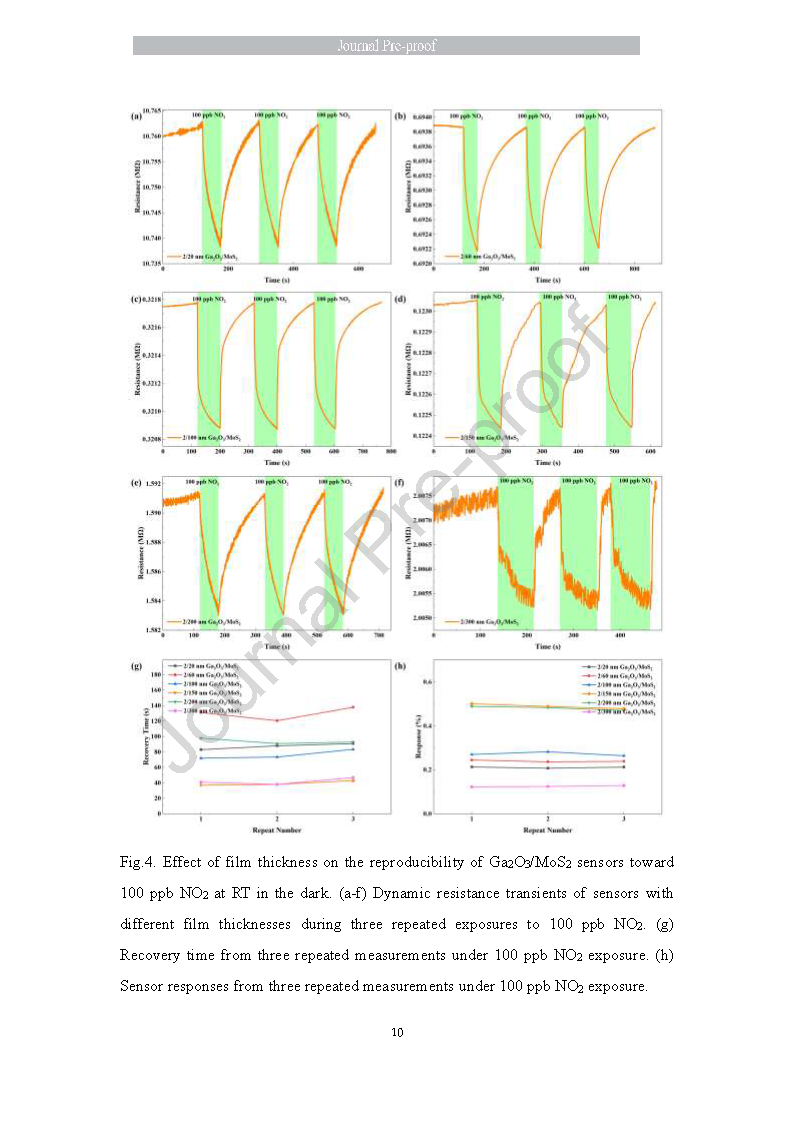
Figure 4 Effect of film thickness on the reproducibility of Ga₂O₃/MoS₂ sensors toward 100 ppb NO₂ at RT in the dark. (a-f) Dynamic resistance transients of sensors with different film thicknesses during three repeated exposures to 100 ppb NO₂. (g) Recovery time from three repeated measurements under 100 ppb NO₂ exposure. (h) Sensor responses from three repeated measurements under 100 ppb NO₂ exposure.
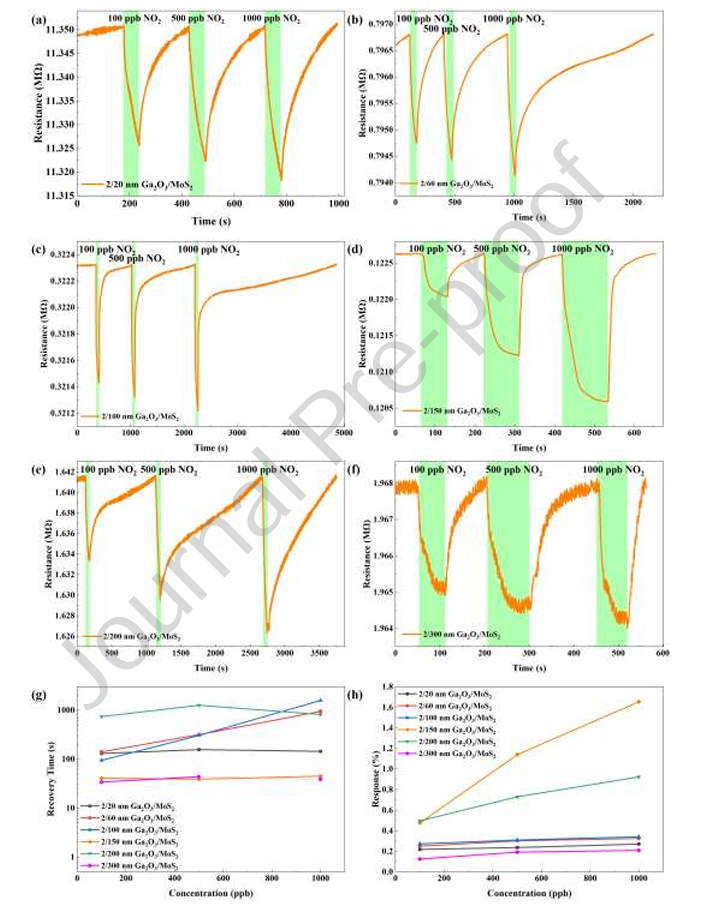
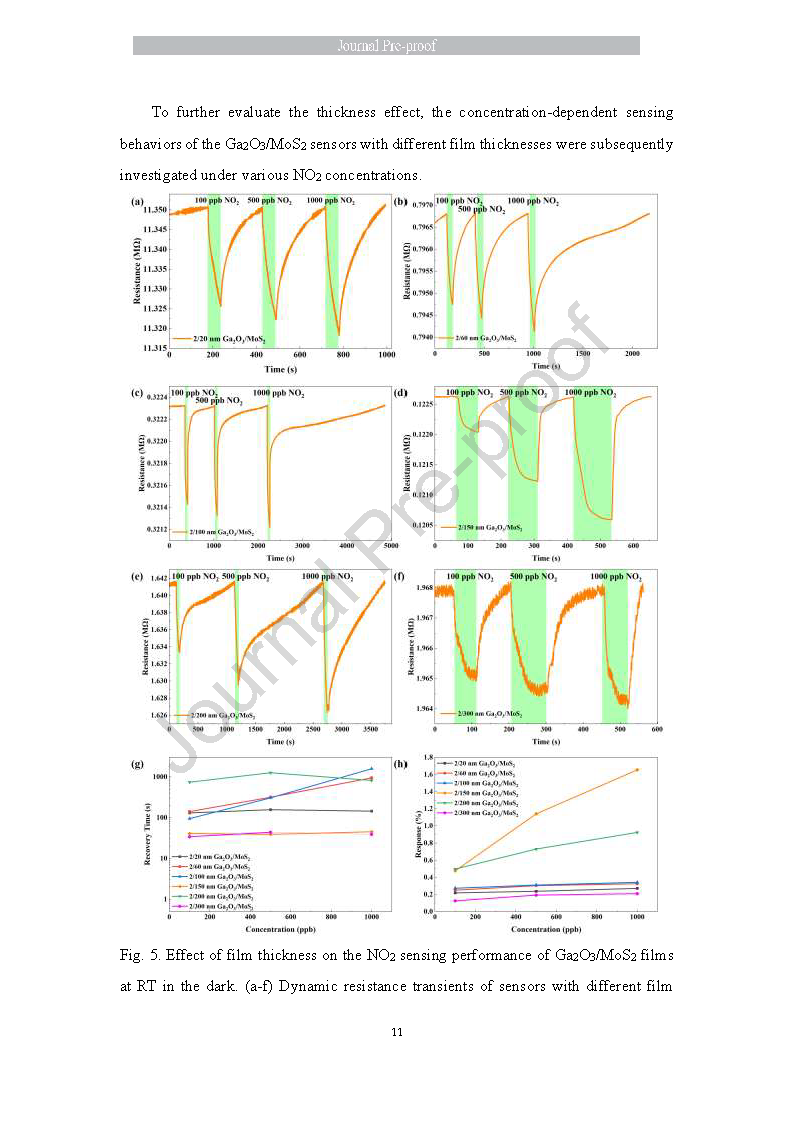
Figure 5 Effect of film thickness on the NO₂ sensing performance of Ga₂O₃/MoS₂ films at RT in the dark. (a-f) Dynamic resistance transients of sensors with different film thicknesses under exposure to 100, 500, and 1000 ppb NO₂. (g) Recovery time toward 100, 500, and 1000 ppb NO₂. (h) Sensor responses toward 100, 500, and 1000 ppb NO₂.
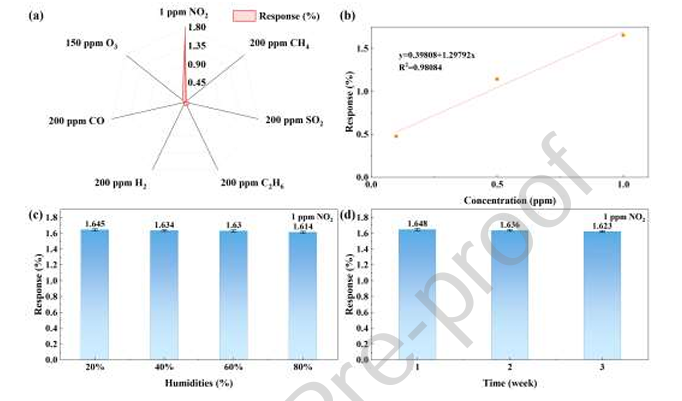
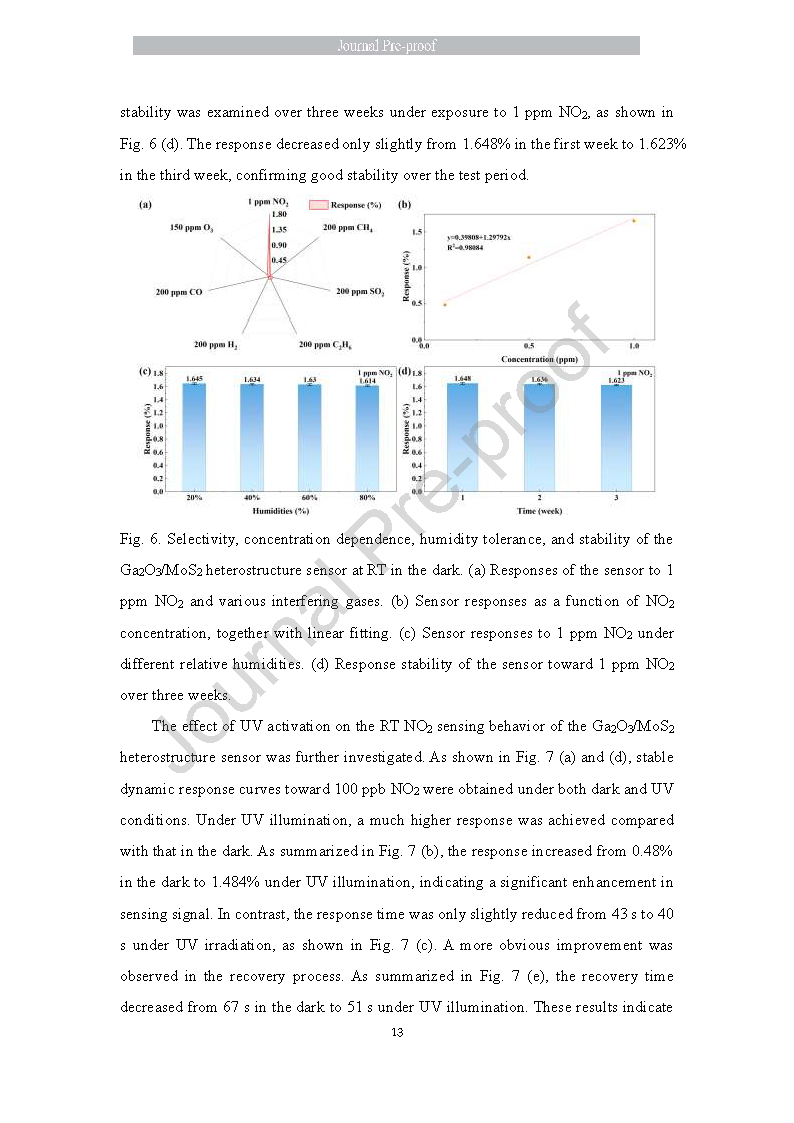
Figure 6 Selectivity, concentration dependence, humidity tolerance, and stability of the Ga₂O₃/MoS₂ heterostructure sensor at RT in the dark. (a) Responses of the sensor to 1 ppm NO₂ and various interfering gases. (b) Sensor responses as a function of NO₂ concentration, together with linear fitting. (c) Sensor responses to 1 ppm NO₂ under different relative humidities. (d) Response stability of the sensor toward 1 ppm NO₂ over three weeks.
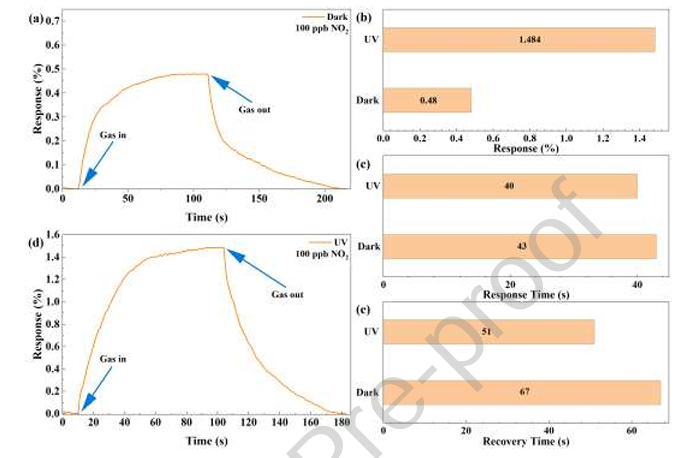
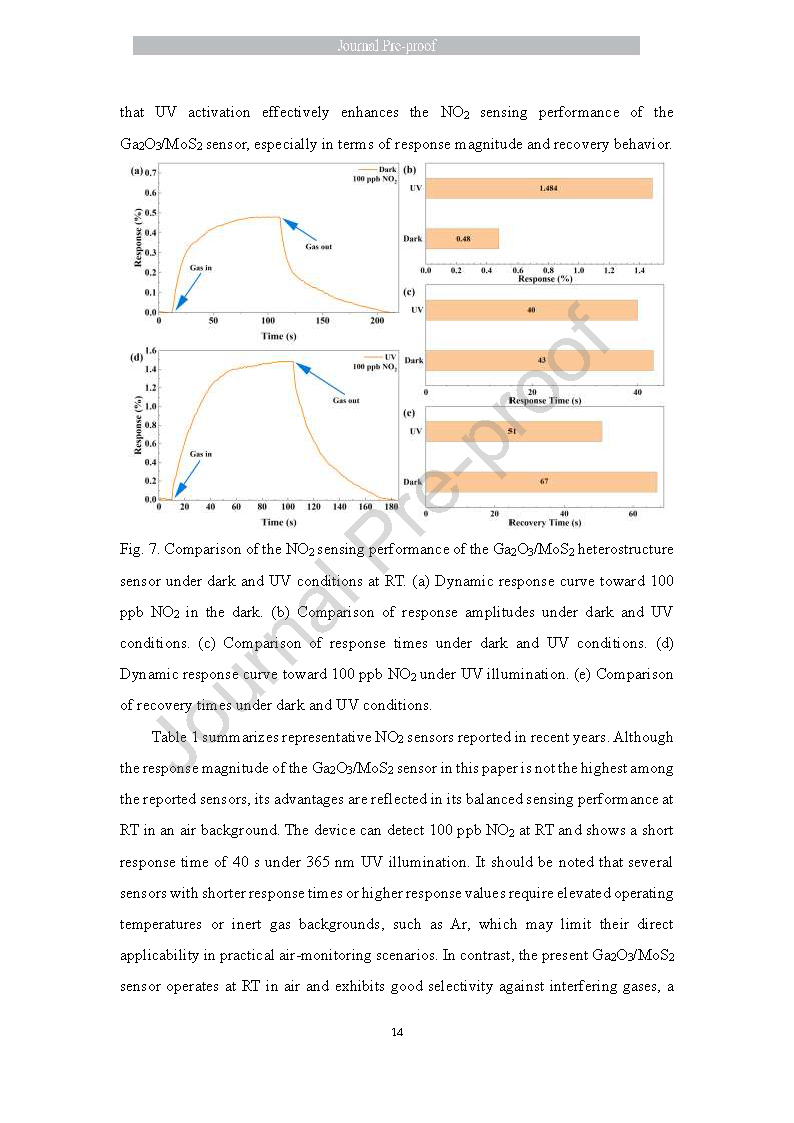
Figure 7 Comparison of the NO₂ sensing performance of the Ga₂O₃/MoS₂ heterostructure sensor under dark and UV conditions at RT. (a) Dynamic response curve toward 100 ppb NO₂ in the dark. (b) Comparison of response amplitudes under dark and UV conditions. (c) Comparison of response times under dark and UV conditions. (d) Dynamic response curve toward 100 ppb NO₂ under UV illumination. (e) Comparison of recovery times under dark and UV conditions.
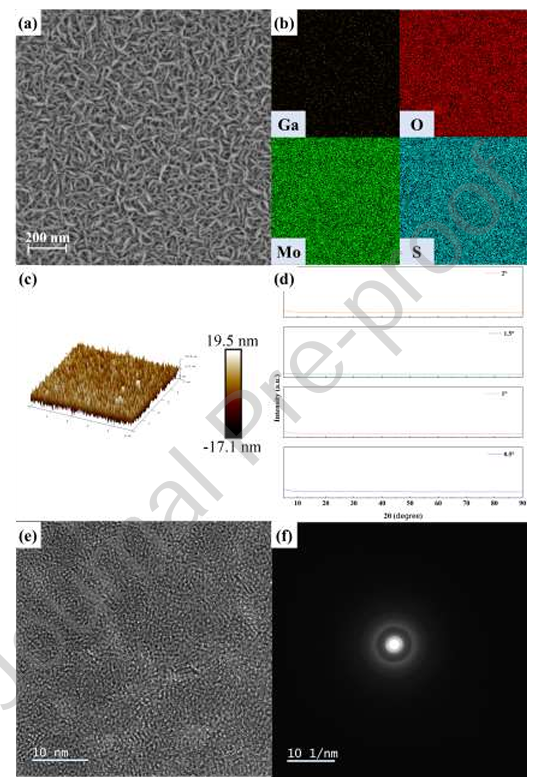
Figure 8 Morphological, elemental, and microstructural characterization of the Ga₂O₃/MoS₂ heterostructure film. (a) SEM image, (b) SEM-EDS elemental mapping images, (c) AFM image, (d) XRD image, (e) TEM image, and (f) SAED pattern.
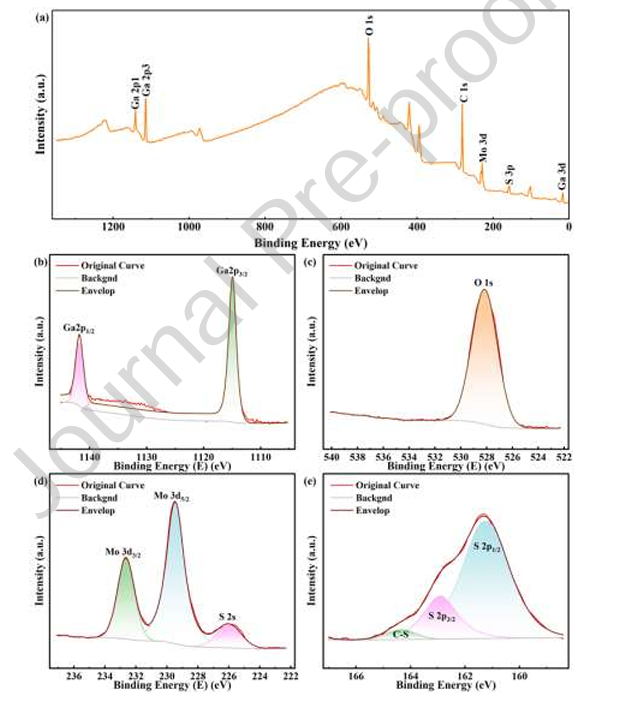
Figure 9 XPS characterization of the magnetron-sputtered Ga₂O₃/MoS₂ heterostructure film. (a) Survey spectrum. High-resolution spectra with peak deconvolution for (b) Ga 2p, (c) O 1s, (d) Mo 3d, and (e) S 2p. All binding energies were calibrated against the adventitious C 1s peak at 284.8 eV.
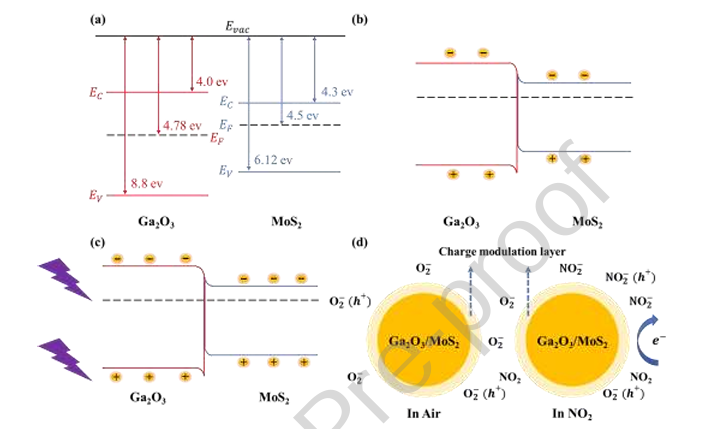
Figure 10 (a) and (b) Schematic diagrams of the energy band structures before and after contact. (c) Charge separation mechanism in the Ga₂O₃/MoS₂ heterostructure under UV irradiation. (d) NO₂ sensing mechanism of the Ga₂O₃/MoS₂ gas sensor.
DOI:
doi.org/10.1016/j.snb.2026.140167
Instruction
Official Account

Cooperation
Top