


Researchers from Wuhan University of Technology have published a dissertation titled "Mist Chemical Vapor Deposition: A Novel Solution-Based Film Deposition Technique" in Crystal Growth & Design.
Background
Mist Chemical Vapor Deposition (mist CVD) is a branch of aerosol-assisted chemical vapor deposition (AACVD), which has emerged as a transformative thin-film deposition technique, combining the principles of aerosol processing and chemical vapor deposition. Mist CVD utilizes liquid precursor solutions atomized into fine droplets, named as mist, and transported to the heated substrate via carrier gases. Over decades of development, it has integrated the advantages of solution-phase deposition and conventional vapor-phase deposition technologies. Initially, mist CVD originated primarily from metal−organic chemical vapor deposition (MOCVD), which utilized metal−organic compounds as precursors that used for the deposition of various oxide films using volatile acetylacetonate-alcohol solutions through a spray-assisted MOCVD process. From a liquid-phase perspective, mist CVD shares similarities with spray pyrolysis deposition. However, spray pyrolysis faces challenges in controlling the spray flow rate, as well as difficulty in achieving ordered regulation of the chemical reaction process. In contrast to conventional CVD, which relies on gaseous precursors and often requires vacuum environments, mist CVD operates at atmospheric or low-pressure conditions, thereby significantly reducing equipment costs.
Abstract
Mist chemical vapor deposition (CVD) has emerged as a highly promising solution-based thin-film deposition technique conducted at atmospheric pressure, offering various advantages such as low energy consumption, cost-effectiveness, and scalability for industrial-scale production. This review provides a systematic overview of the deposition mechanisms and practical applications of mist CVD, where the atomized precursor solutions are transported to a heated substrate, enabling controlled growth of high-quality functional thin films. Recent advancements highlight its versatility in depositing thin films spanning from simple binary compounds to mixed-anion compounds. This adaptability enables mist CVD to be compatible with diverse material systems (e.g., metal oxides, chalcogenides, and organic−inorganic hybrids) and thus suitable for a wide range of applications. Critical challenges such as precursor solution optimization, droplet size control, and uniformity enhancement are discussed, alongside strategies to improve film crystallinity and interfacial properties. This review also explores future directions, including hybrid mist CVD/plasma-assisted processes and their potential in emerging fields like perovskite photovoltaics and solid state batteries for boosting device performance. By synthesizing recent breakthroughs and mechanistic insights, this work underscores mist CVD as a promising technology for next-generation thin-film devices, bridging the gap between laboratory innovation and industrial-scale manufacturing.
Conclusion
In summary, mist CVD has increasingly emerged as a highly competitive thin-film deposition technology, distinguished by a set of inherent advantages that make it particularly attractive for both research and industrial applications. Mist CVD operates under ambient pressure and at relatively low temperatures, ensuring broad compatibility with diverse substrates. Benefiting from the flexibility in precursor choice, the chemical composition, such as doping and synthesized complex compounds, can be achieved by mist CVD. The technique excels in producing large-area, uniform, and high quality thin films with a simple and scalable setup, aligning with green manufacturing principles through efficient precursor utilization and minimal chemical waste. These advantages are over the superiority of other nonvacuum or solution-based deposition methods, which usually lack in film quality. In addition, the advantages of mist CVD also cover the drawbacks of vacuum deposition methods, which are mostly expensive, complex, and require high-energy operations. Therefore, mist CVD should be suitable for the general film fabrication industry.
Project Support
This work was supported by the National Natural Science Foundation of China (No.52402200 and 52272161) and Universitas Airlangga through the IRC Top #100 2024 Universitas Airlangga (Grant No. 389/UN3.LPPM/ PT.01.03/2024).
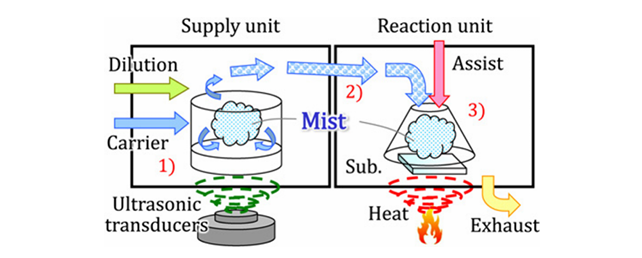
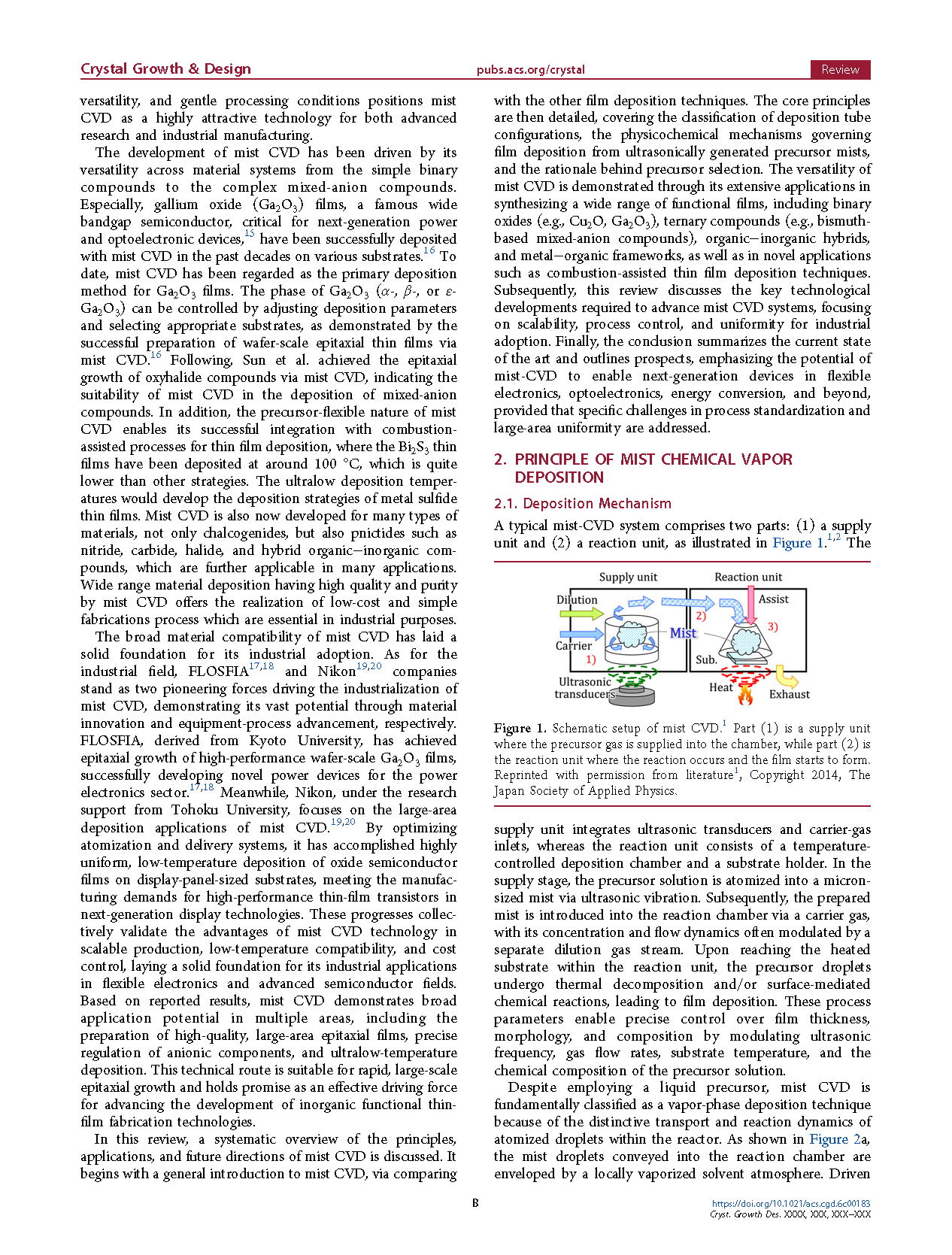
Figure 1. Schematic setup of mist CVD.
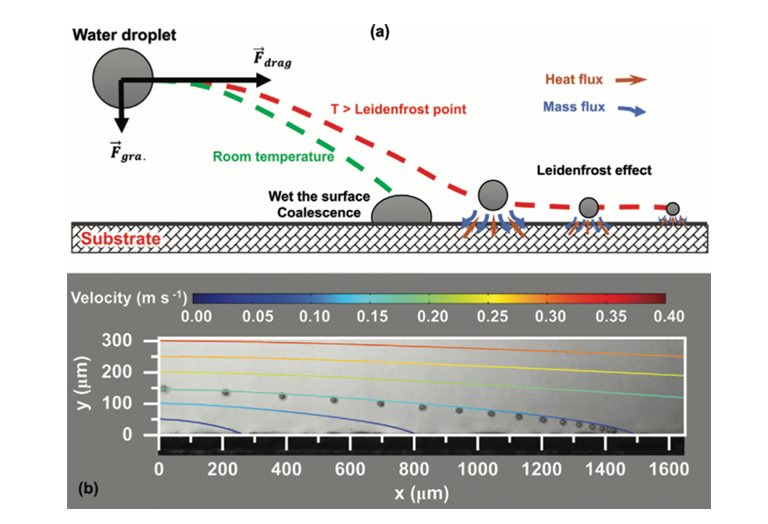
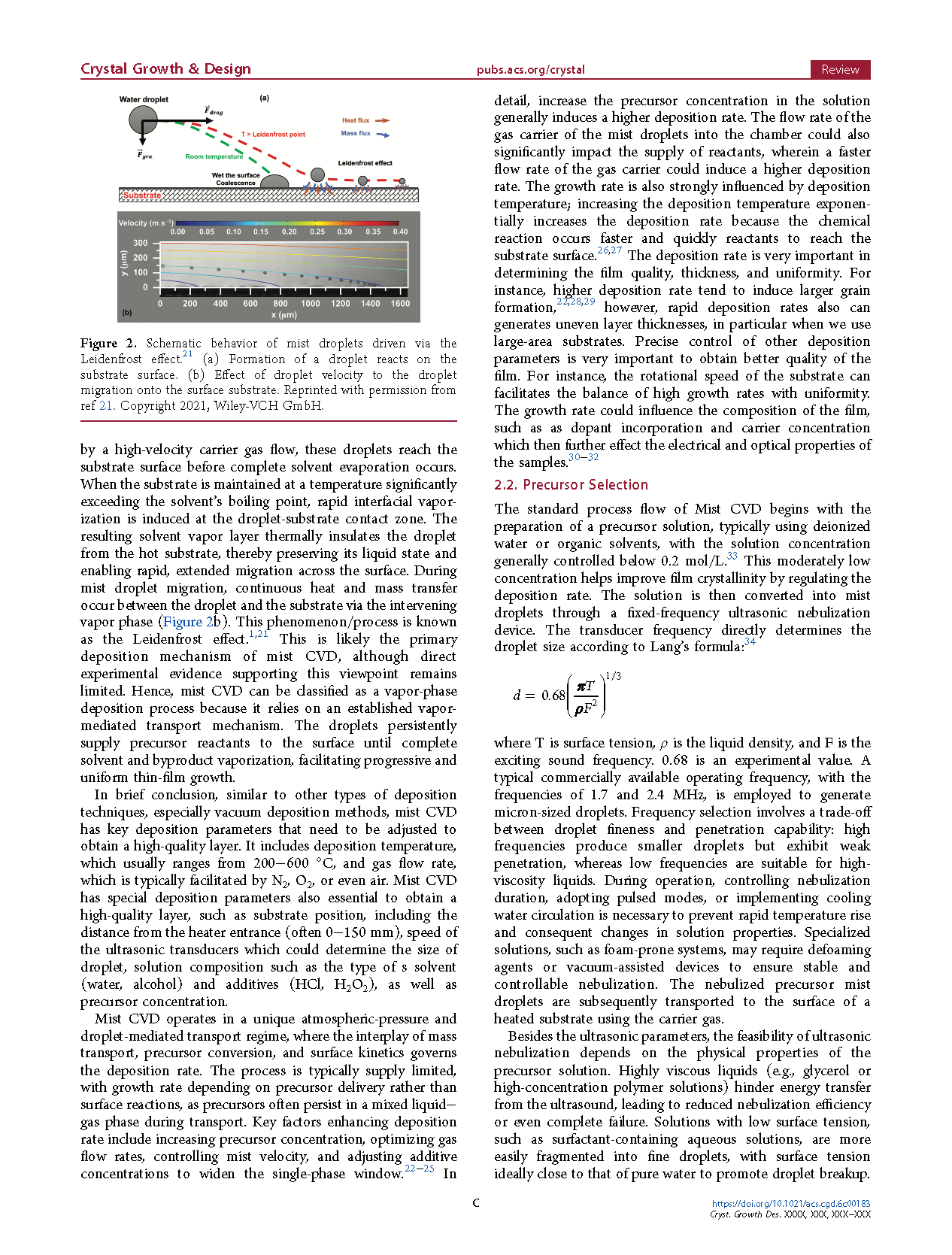
Figure 2. Schematic behavior of mist droplets driven via the Leidenfrost effect. (a) Formation of a droplet reacts on the substrate surface. (b) Effect of droplet velocity to the droplet migration onto the surface substrate.
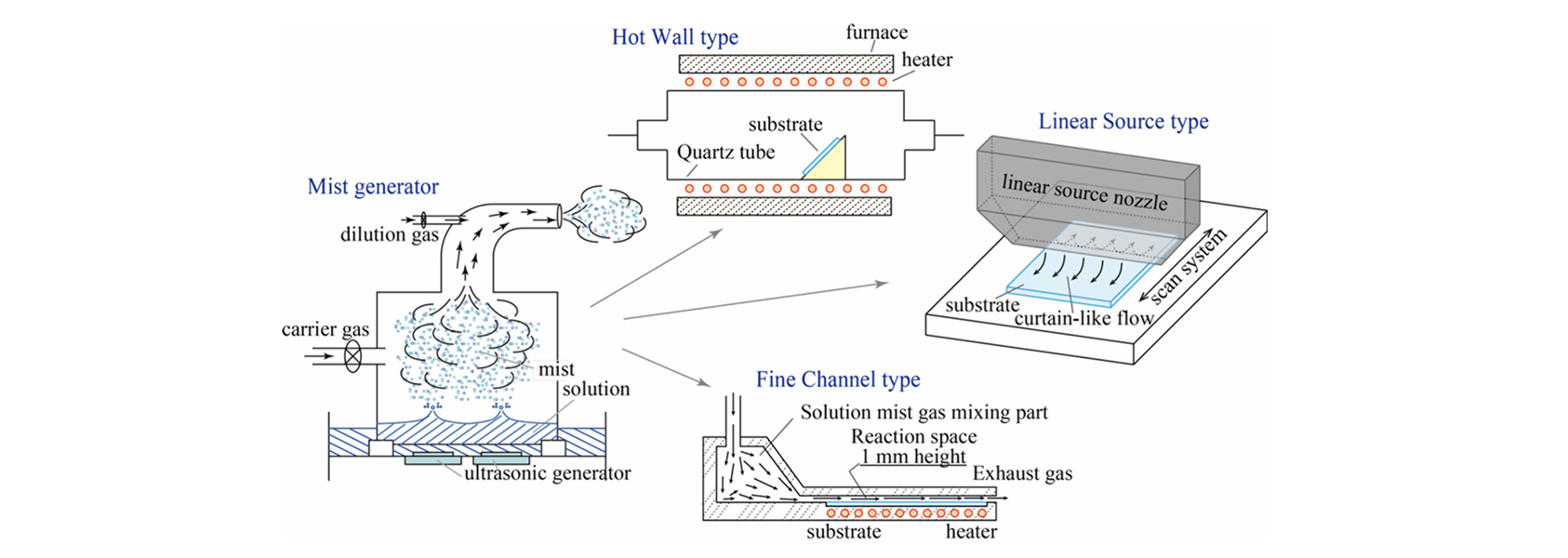
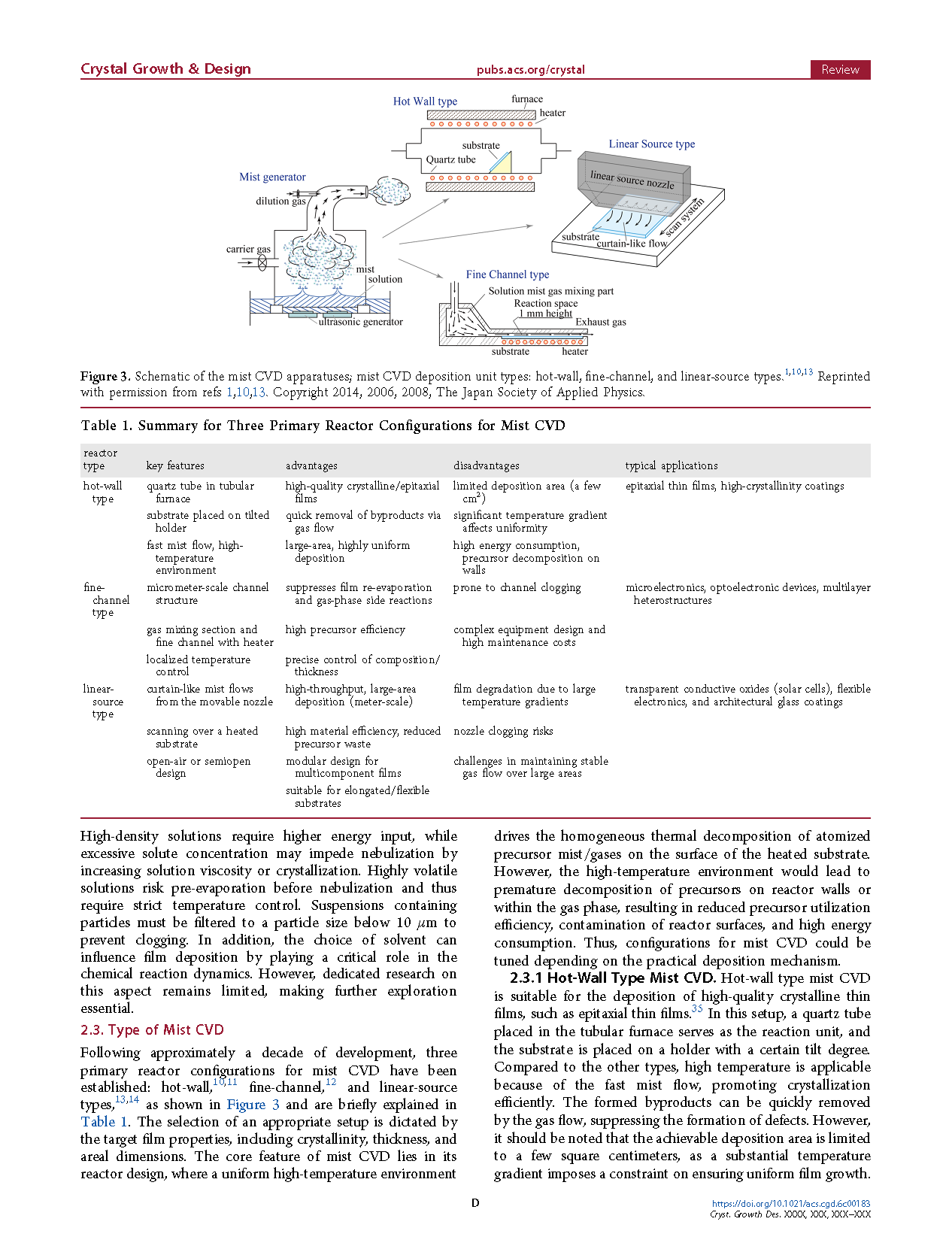
Figure 3. Schematic of the mist CVD apparatuses; mist CVD deposition unit types: hot-wall, fine-channel, and linear-source types.
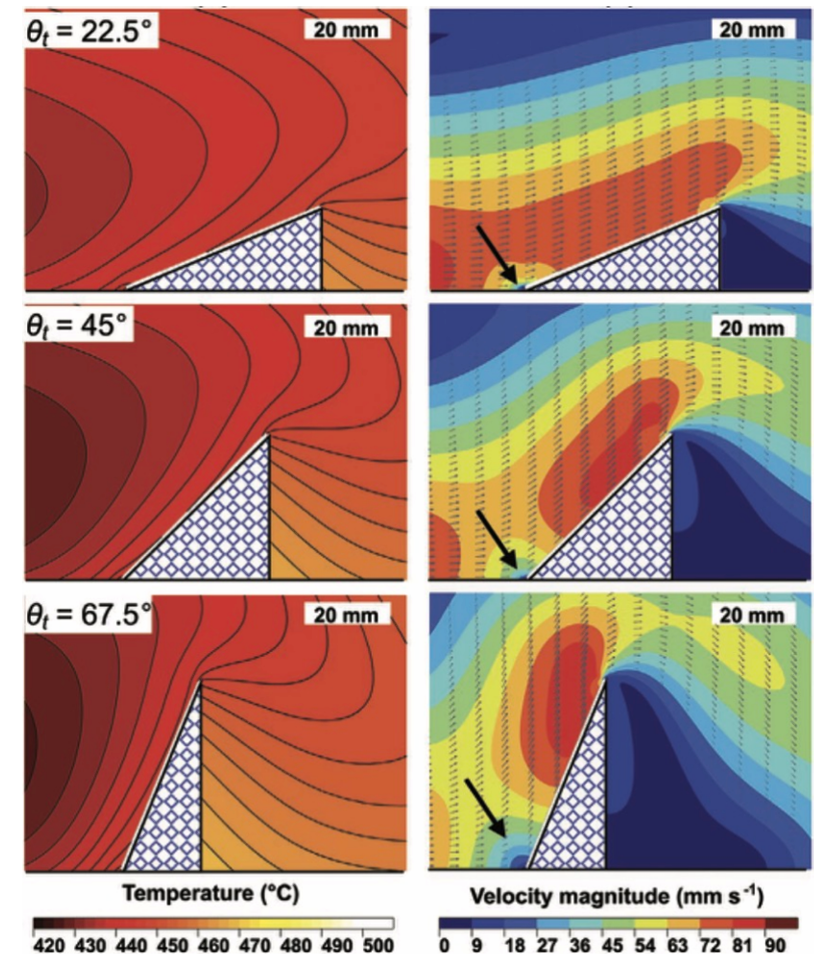
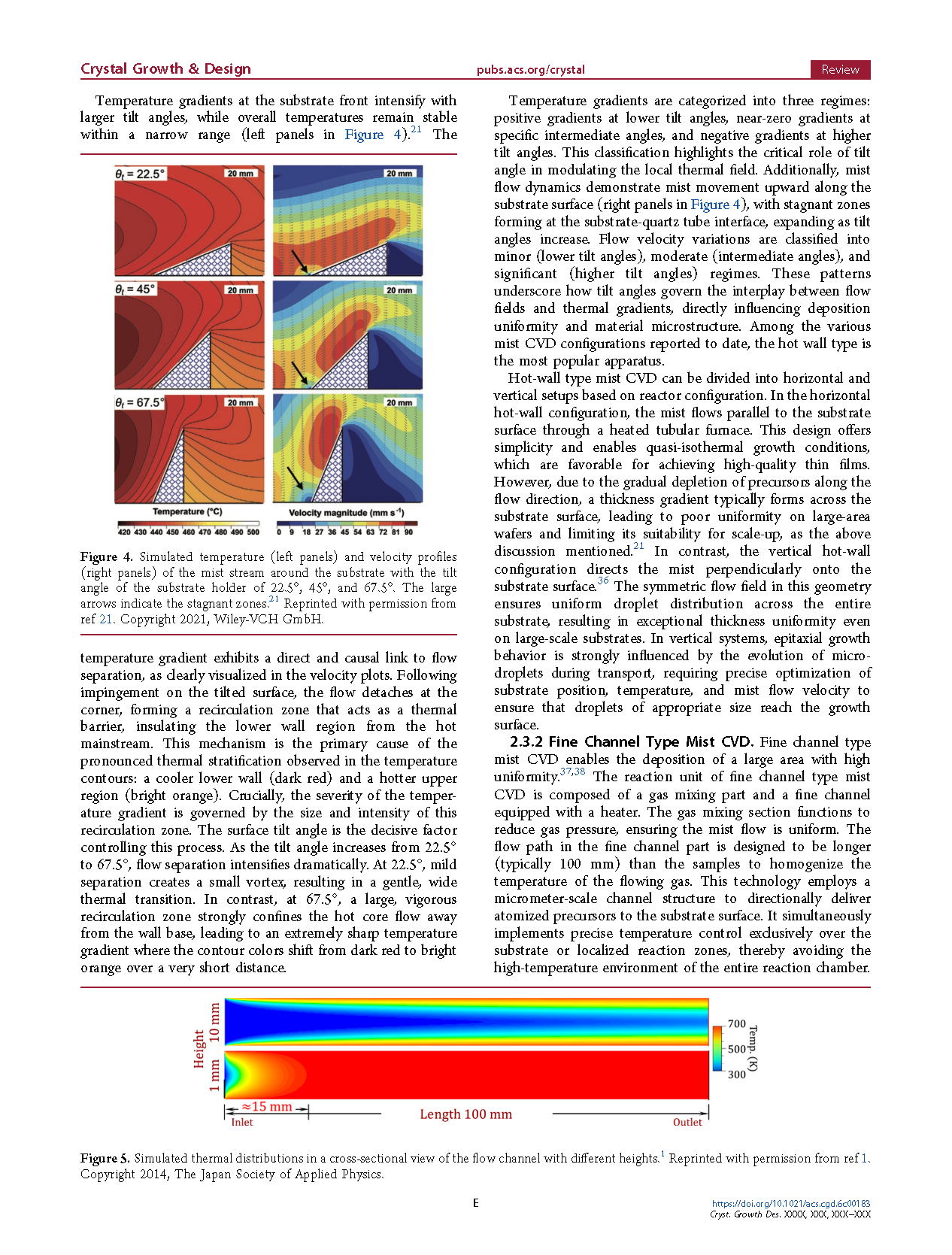
Figure 4. Simulated temperature (left panels) and velocity profiles (right panels) of the mist stream around the substrate with the tilt angle of the substrate holder of 22.5°, 45°, and 67.5°. The large arrows indicate the stagnant zones.
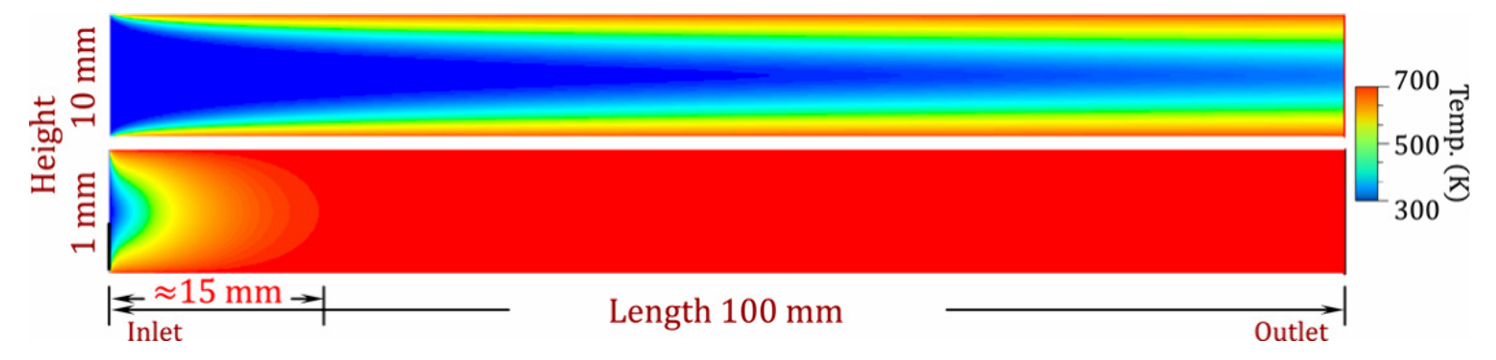
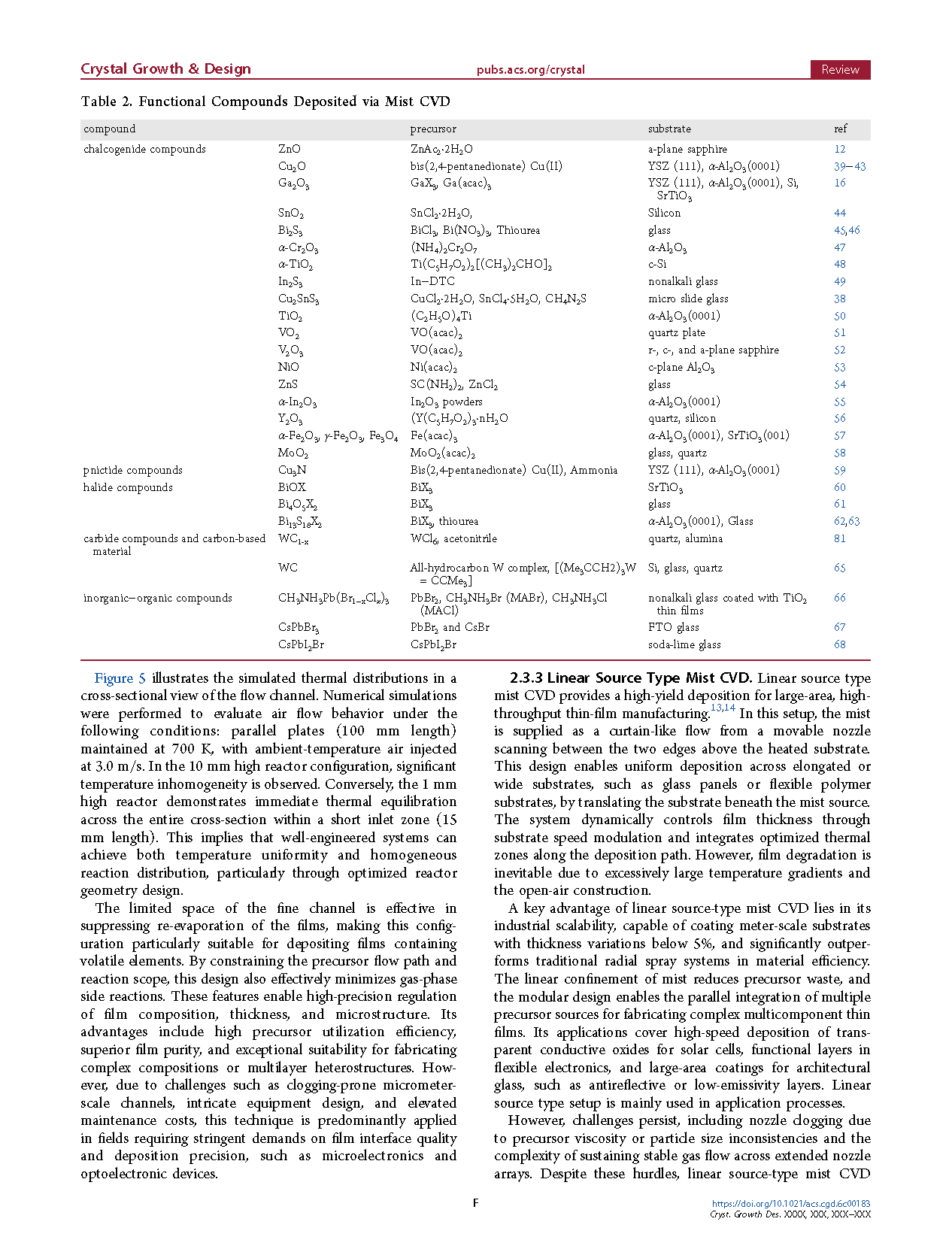
Figure 5. Simulated thermal distributions in a cross-sectional view of the flow channel with different heights.
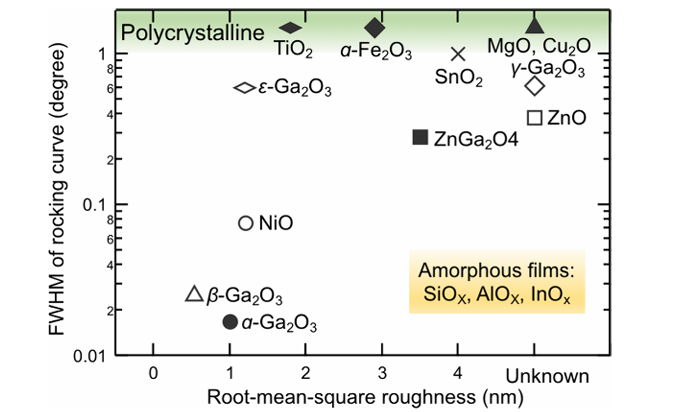
Figure6.Previous functional oxide thin films successfully grown by mist CVD.
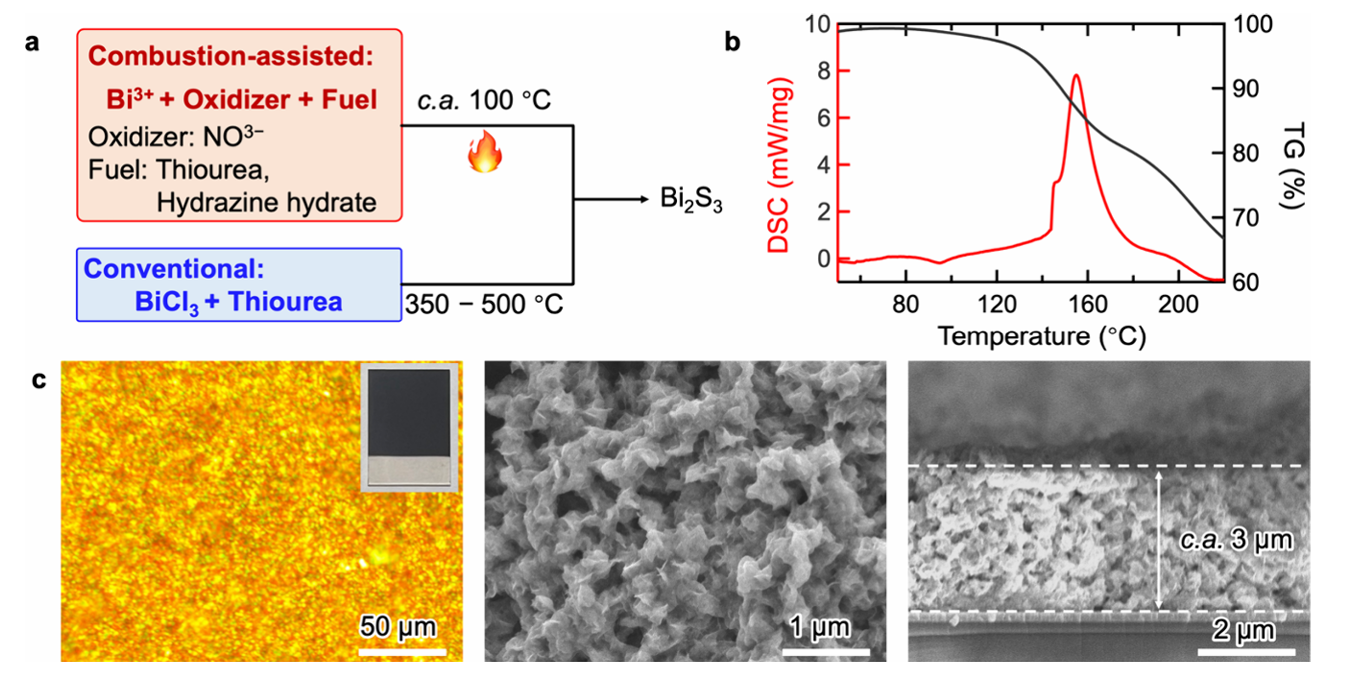
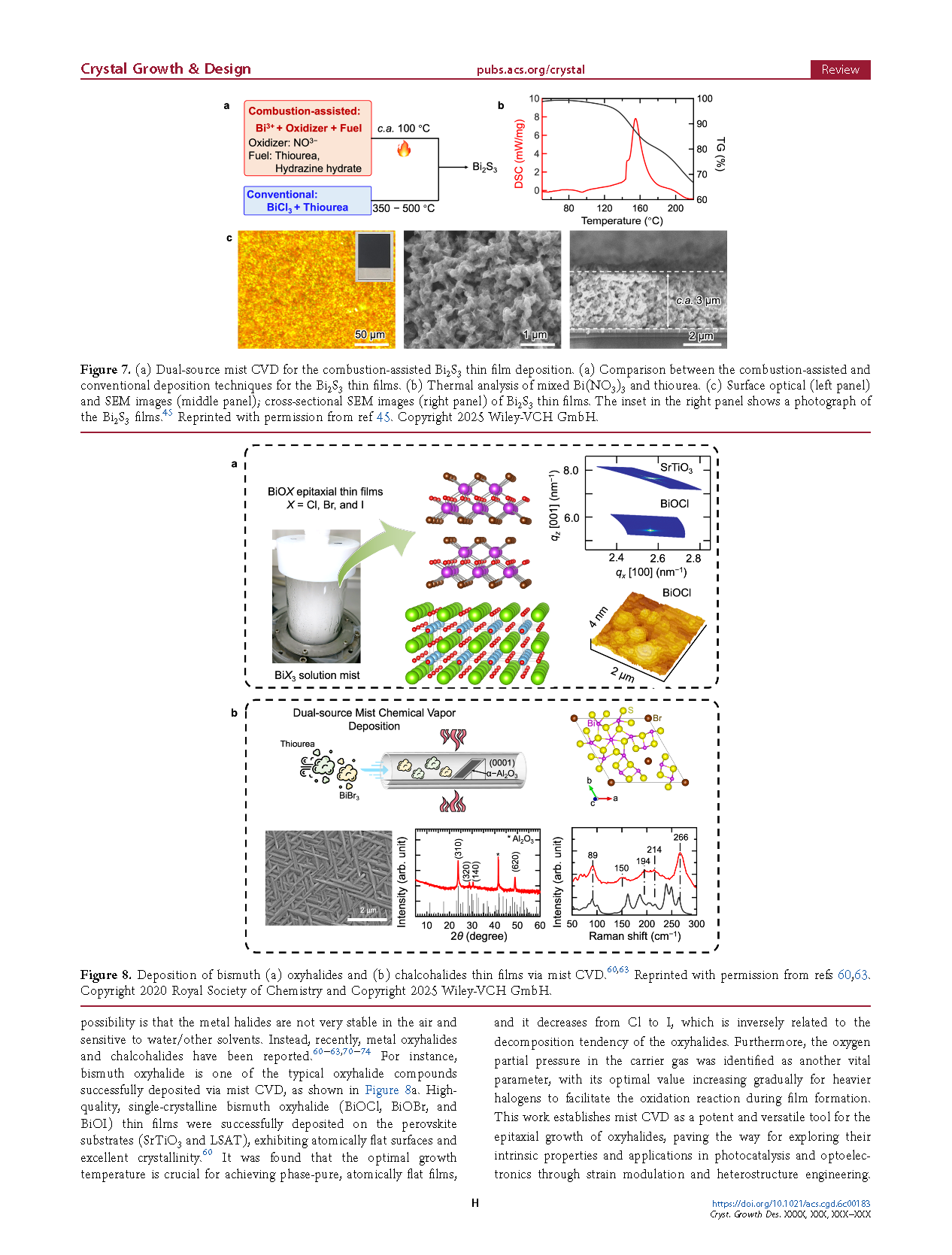
Figure 7. (a) Comparison between the combustion-assisted and conventional deposition techniques for the Bi2S3 thin films. (b) Thermal analysis of mixed Bi(NO3)3 and thiourea. (c) Surface optical (left panel) and SEM images (middle panel); cross-sectional SEM images (right panel) of Bi2S3 thin films. The inset in the right panel shows a photograph of the Bi2S3 films.
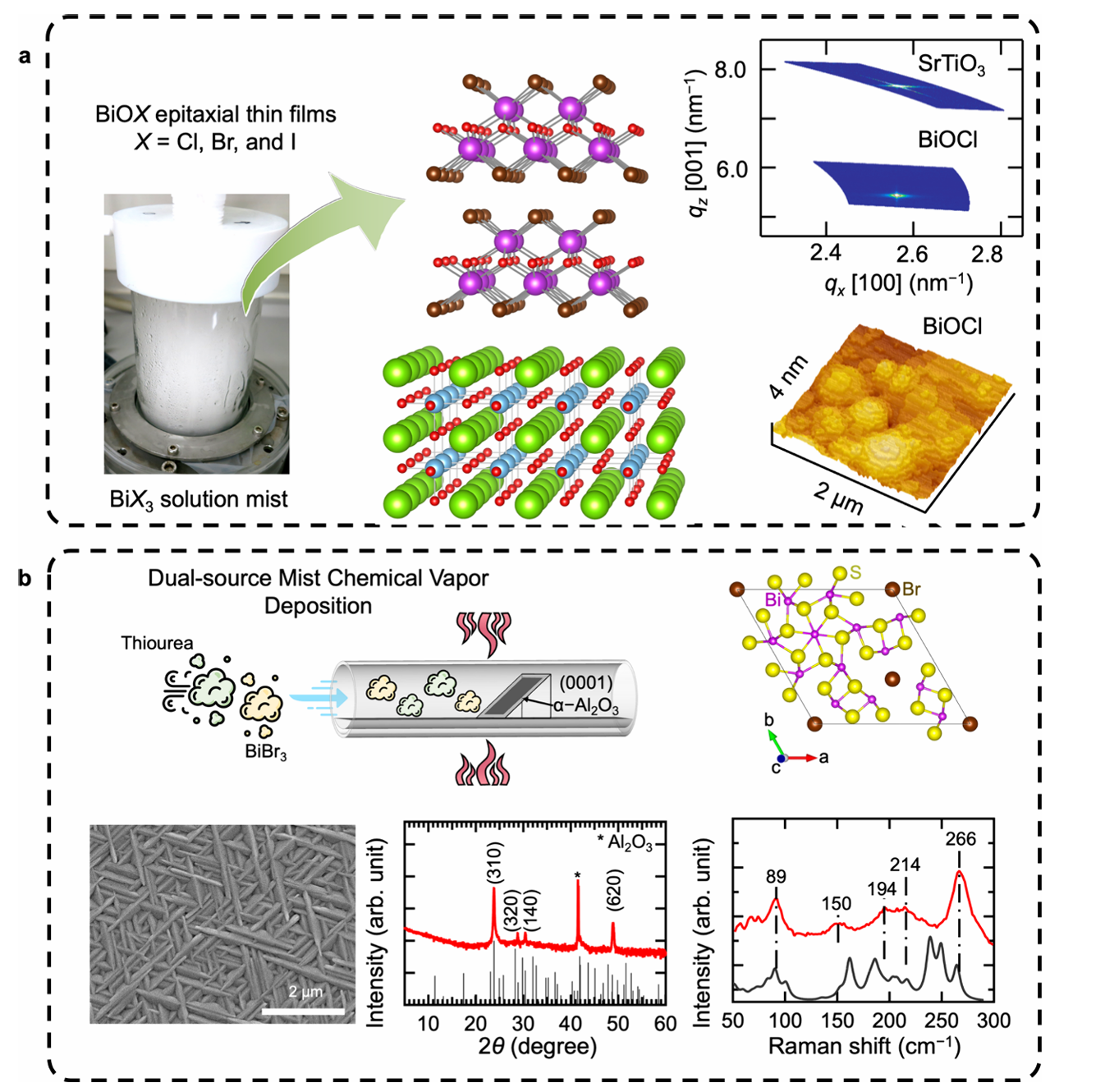
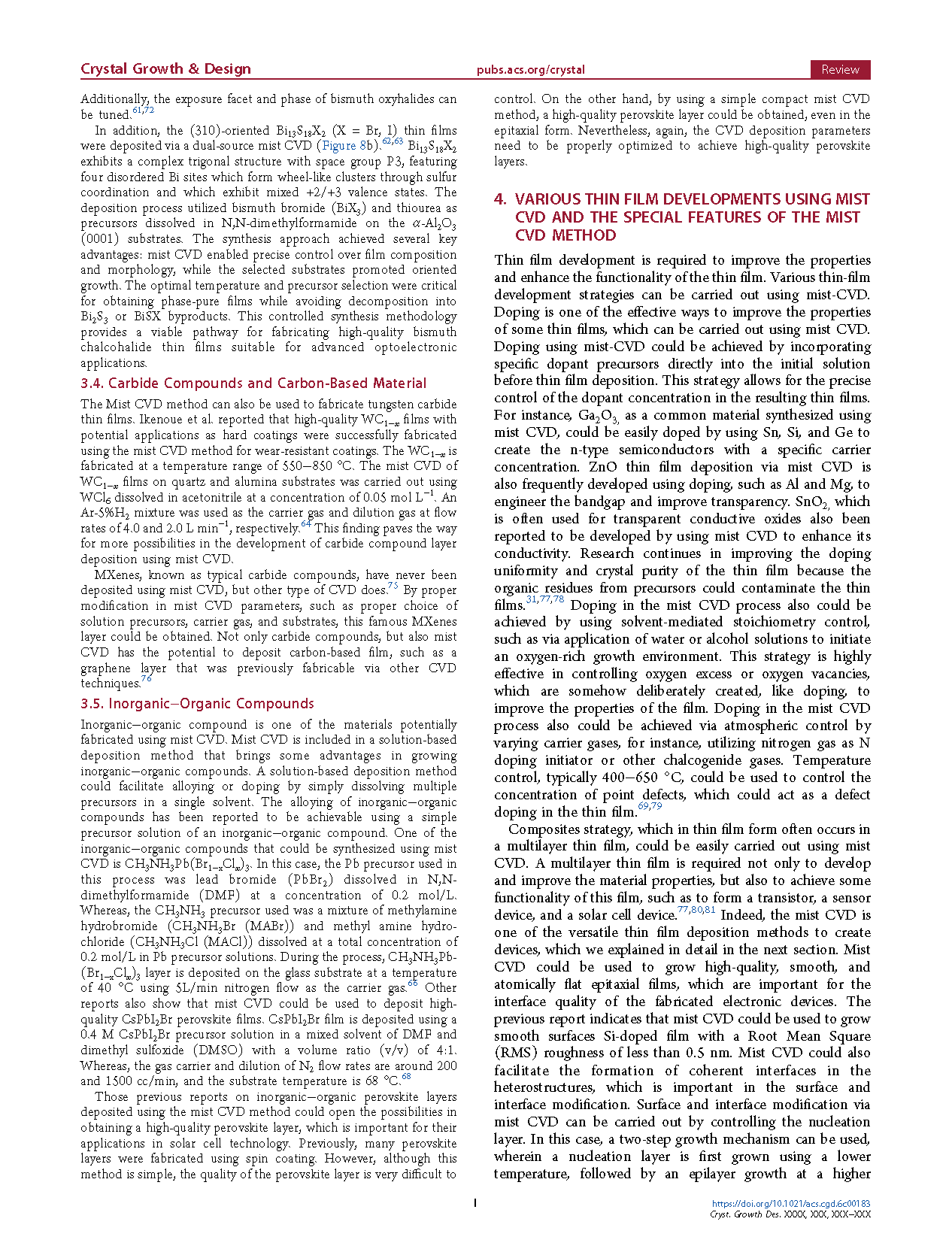
Figure 8. Deposition of (a) bismuth oxyhalides and (b) chalcohalides thin films via mist CVD.
DOI:
doi.org/10.1021/acs.cgd.6c00183
Instruction
Official Account

Cooperation
Top