


Researchers from the Henan University of Science and Technology have published a dissertation titled "Stable yellow-green and violet bidirectional luminescent diodes based on p-CuxO/i-Ga₂O₃/p-GaN heterojunction by magnetron sputtering" in Journal of Alloys and Compounds.
Background
Wide-bandgap semiconductor materials (e.g., Ga₂O₃ and GaN) hold great promise for ultraviolet and visible light-emitting diodes (LEDs) owing to their superior optical and electrical properties, with urgent demand in emerging applications such as bidirectional luminescent devices, intelligent sensing, and bidirectional displays. However, conventional bidirectional luminescent LEDs suffer from poor heterojunction interface compatibility, inadequate thermal stability, challenging emission wavelength tuning, and large leakage current, hindering their industrialization. Meanwhile, developing green, non-toxic, resource-abundant p-type materials compatible with wide-bandgap semiconductors has become a core breakthrough to optimize device performance. As a highly promising p-type semiconductor, CuₓO exhibits superior properties including high light absorption coefficient, non-toxicity, high crustal abundance, and low fabrication cost. It achieves stable p-type conductivity without complex doping and forms structurally compatible heterojunctions with n-type Ga₂O₃ and p-type GaN, offering a viable solution to the material compatibility issue of traditional devices.
Abstract
To optimize the performance of bidirectional light-emitting diodes (LEDs), this study investigates the effect of different oxygen flow rates on the crystalline phase structure of CuₓO thin films. High-quality CuₓO films were fabricated via RF magnetron sputtering, achieving a controllable phase transition from Cu₂O (111) to CuO (002). Based on this, a bidirectional luminescent LED with a p-CuxO/i-Ga₂O₃/p-GaN structure was constructed. The device performance and luminescent mechanism were systematically characterized by I-V characteristic measurement, electroluminescence (EL) spectroscopy, and band structure analysis. Results show that the device prepared with optimized oxygen flow rate exhibits excellent rectification characteristics and thermal stability, with a leakage current as low as 2.99 ×10⁻¹⁰ A at room temperature and 2.62 ×10⁻⁹ A at 90°C. The device realizes bidirectional luminescence: under forward current driving, it emits 432 nm violet light and 532 nm green light; under reverse current driving, it emits 384 nm violet light and 416 nm blue-violet light. This study clarifies the influence of phase transition regulation on device performance and the bidirectional luminescent mechanism, providing key support for the development of high-performance bidirectional LEDs.
Highlights
High-quality CuₓO thin films with a controllable phase transition from Cu₂O to CuO are fabricated via RF magnetron sputtering by adjusting the oxygen flow rate.
A bidirectional luminescent LED with a novel p-CuₓO/i-Ga₂O₃/p-GaN structure is constructed for the first time, addressing the pain points of poor interface compatibility and thermal stability in conventional bidirectional LEDs.
The device exhibits ultra-low leakage current and excellent thermal stability, with a room-temperature leakage current as low as 2.99×10⁻¹⁰ A and maintains a low leakage current at 90°C, suitable for high-temperature operating scenarios.
Bidirectional multi-band luminescence is realized: violet and green light emission under forward bias, violet and blue-violet light emission under reverse bias, with high color purity and stable luminous intensity.
The core mechanism of bidirectional luminescence is clarified: radiative recombination luminescence via Fowler-Nordheim tunneling electron injection under forward bias, and via Poole-Frenkel field-assisted thermal emission electron injection under reverse bias.
Conclusion
In summary, high-quality CuₓO films were successfully fabricated via RF magnetron sputtering. Based on this, bidirectional electroluminescent p-CuₓO/i-Ga₂O₃/p-GaN LEDs were developed. PV-C exhibits excellent rectification behavior, with a room-temperature (RT) leakage current of only 2.99 ×10⁻¹⁰ A derived from I-V measurements. Furthermore, the device demonstrates superb thermal stability, as evidenced by a leakage current of merely 2.62 ×10⁻⁹ A at 90 °C. Notably, this device achieves distinct bidirectional electroluminescence: it emits intense violet (432 nm) and green (532 nm) light under forward bias, while violet (384 nm) and blue-violet (416 nm) emission is observed under reverse bias. The inherent bidirectional EL mechanism has been comprehensively elucidated via systematic band structure analysis and EL spectroscopic characterization techniques. Future work will focus on further clarifying the detailed luminescent mechanism. This work successfully develops a blue-violet LED with realizable bidirectional electroluminescence, thereby providing valuable practical insights for the development of high-performance, stable bidirectional light-emitting diodes and their potential applications.
Project Support
This work was supported by the National Natural Science Foundation of China (Grant Nos. 61674052 and 52002120), the Key Scientific and Technological Projects in Henan Province (262102230094), the Student Research Training Program of Henan University of Science and Technology (Grant Nos. 2025242 and 2025250), the National innovation and entrepreneurship training program for College Students (202310464053 and 202510464020).
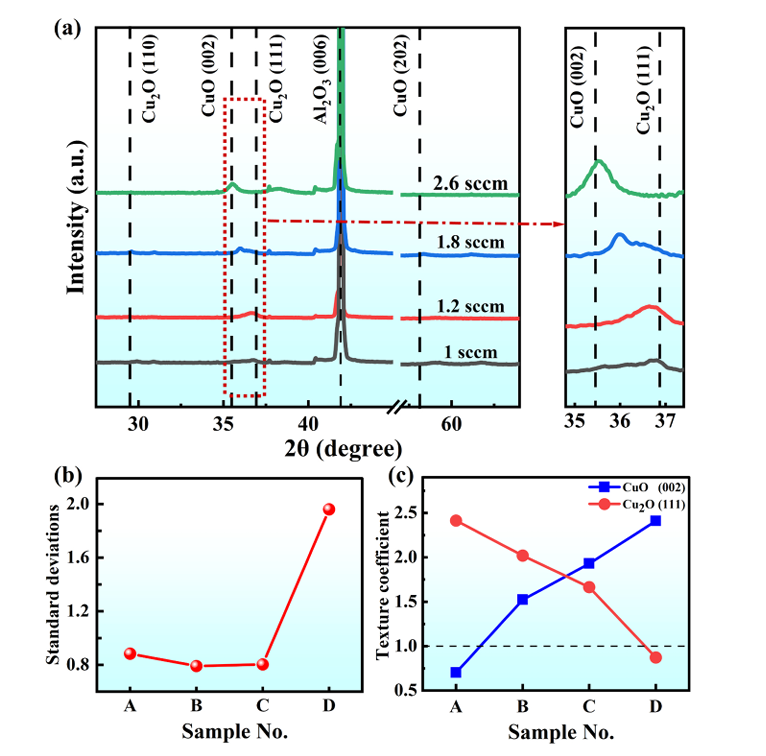
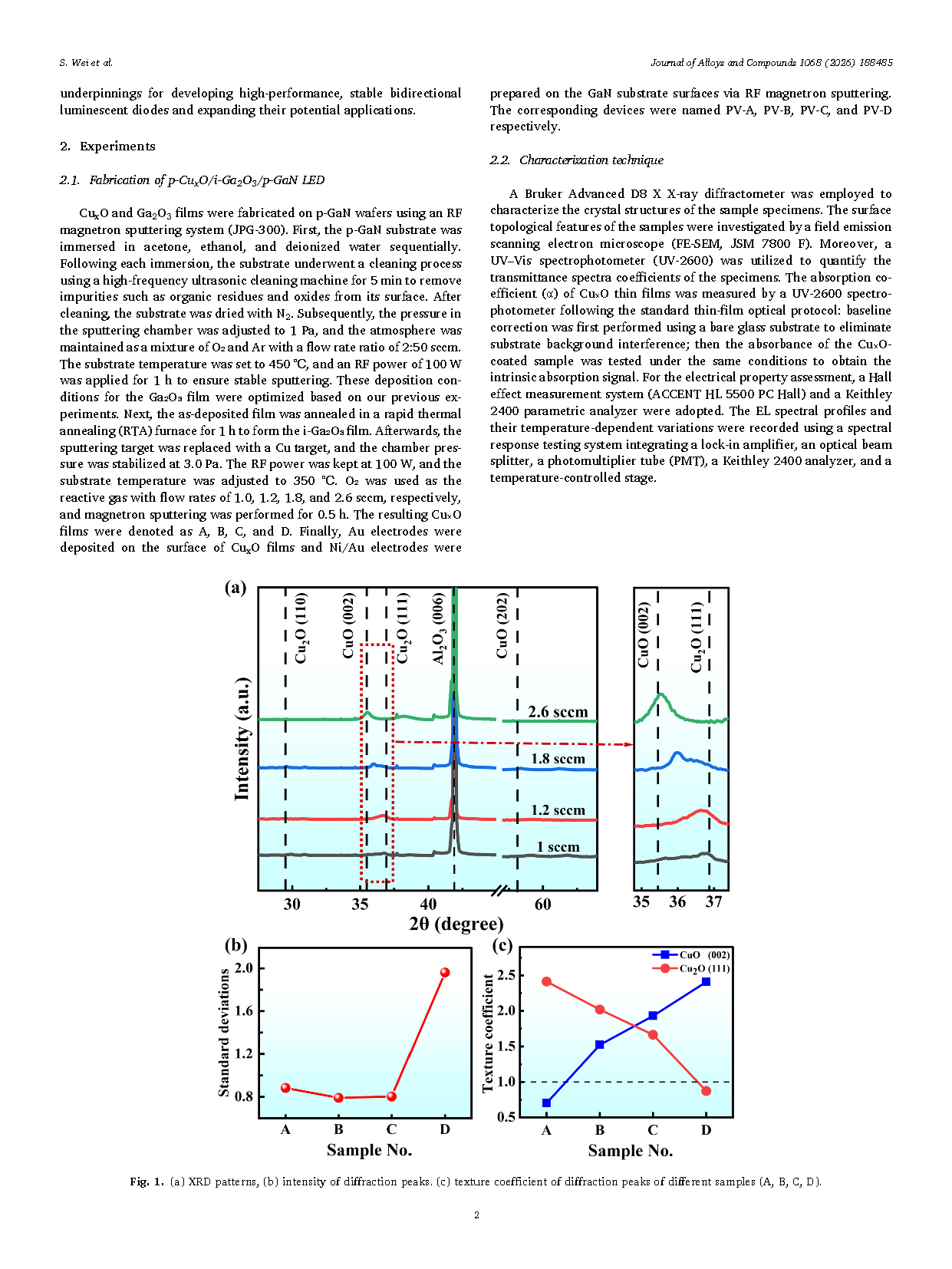
Figure 1 (a) XRD patterns, (b) intensity of diffraction peaks. (c) texture coefficient of diffraction peaks of different samples (A, B, C, D).
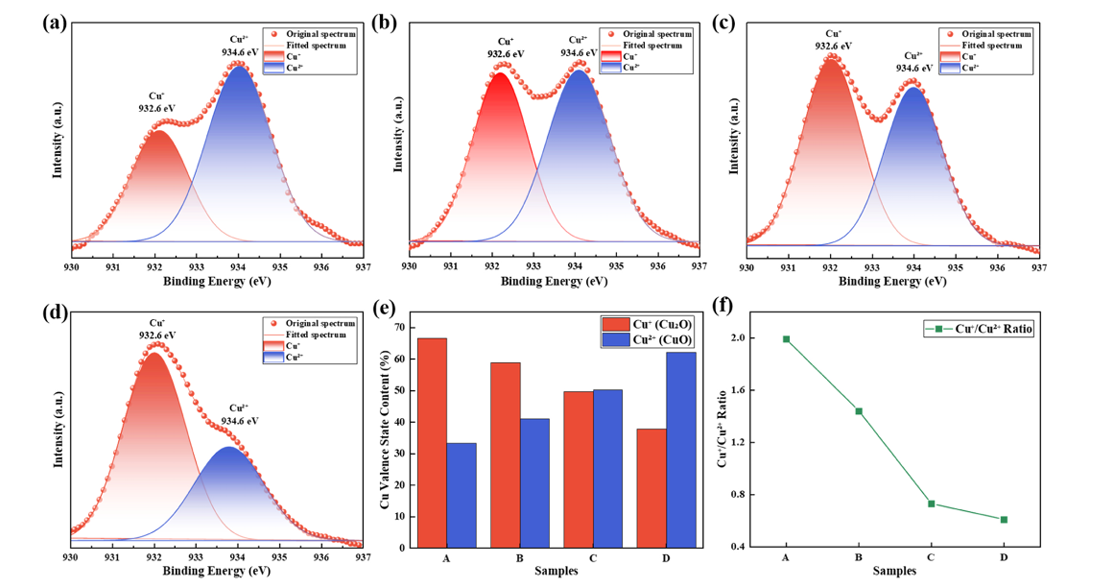
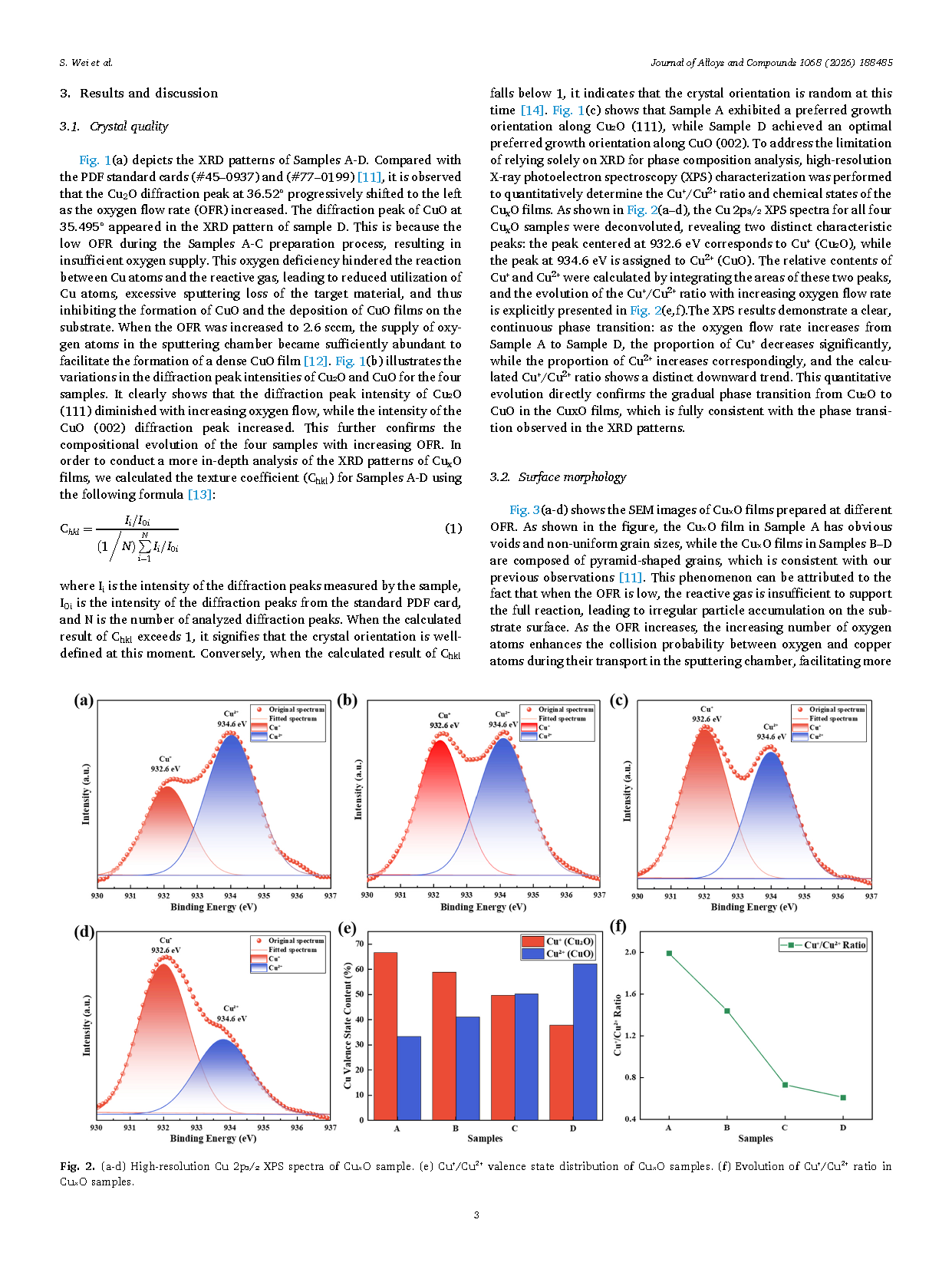
Figure 2 (a-d) High-resolution Cu 2p₃/₂ XPS spectra of CuₓO sample. (e) Cu⁺/Cu²⁺ valence state distribution of CuₓO samples. (f) Evolution of Cu⁺/Cu²⁺ ratio in CuₓO samples.
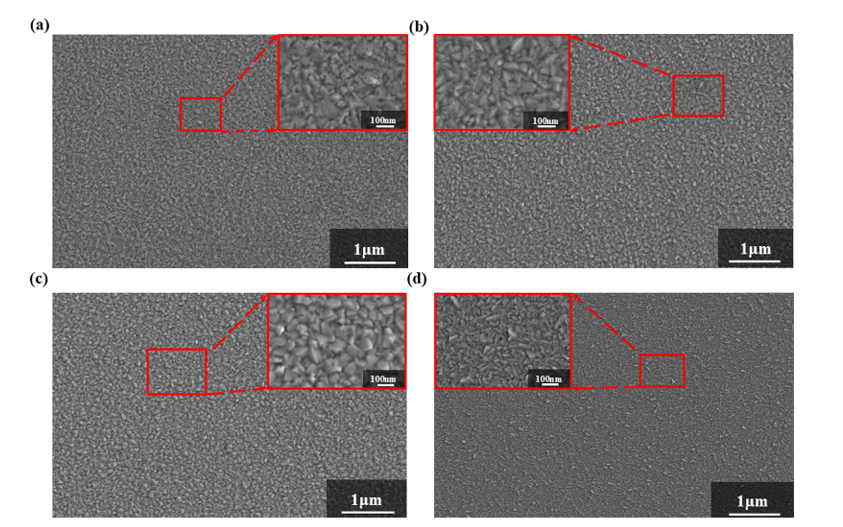
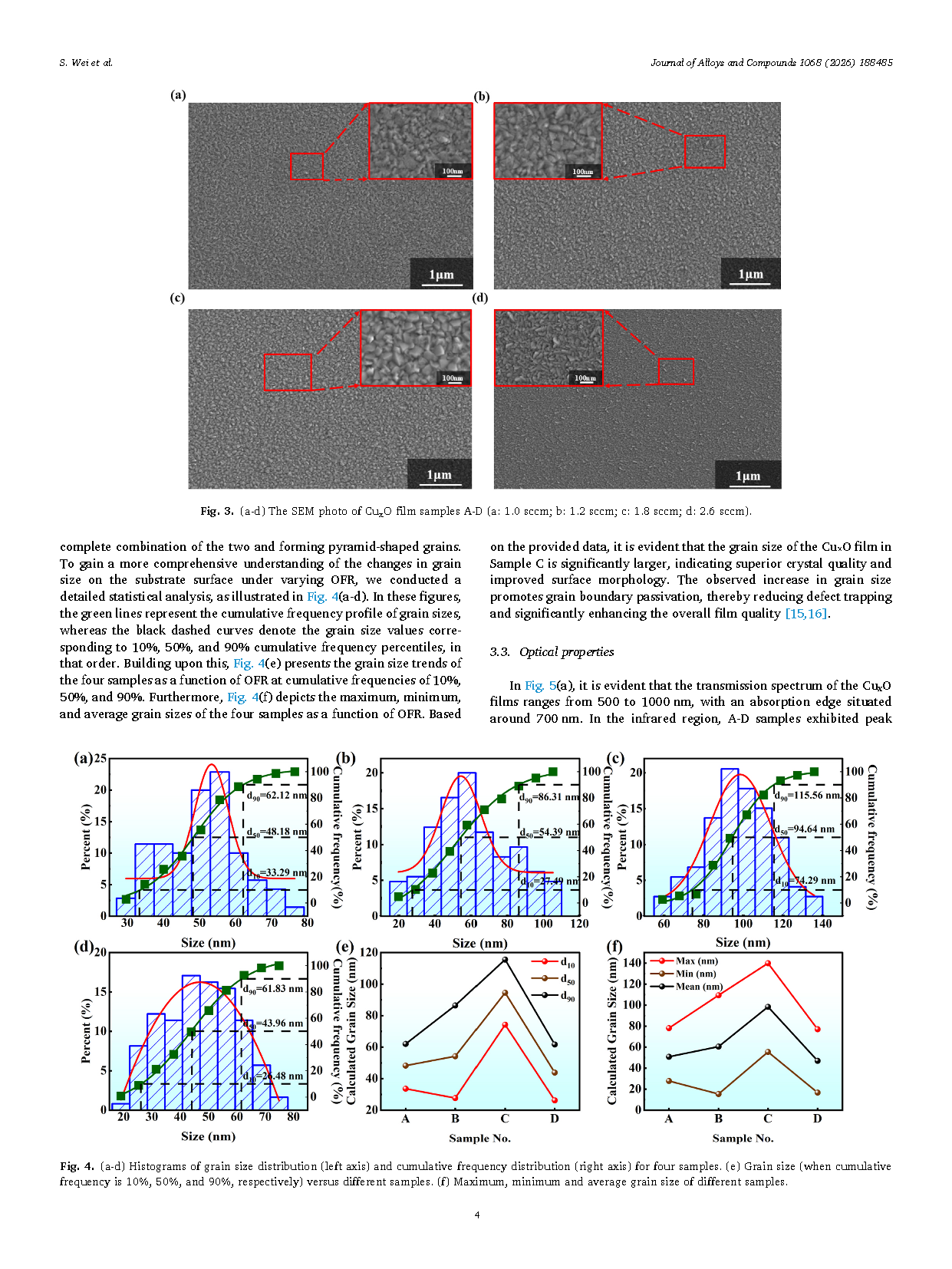
Figure 3 (a-d) The SEM photo of CuₓO film samples A-D (a: 1.0 sccm; b: 1.2 sccm; c: 1.8 sccm; d: 2.6 sccm).
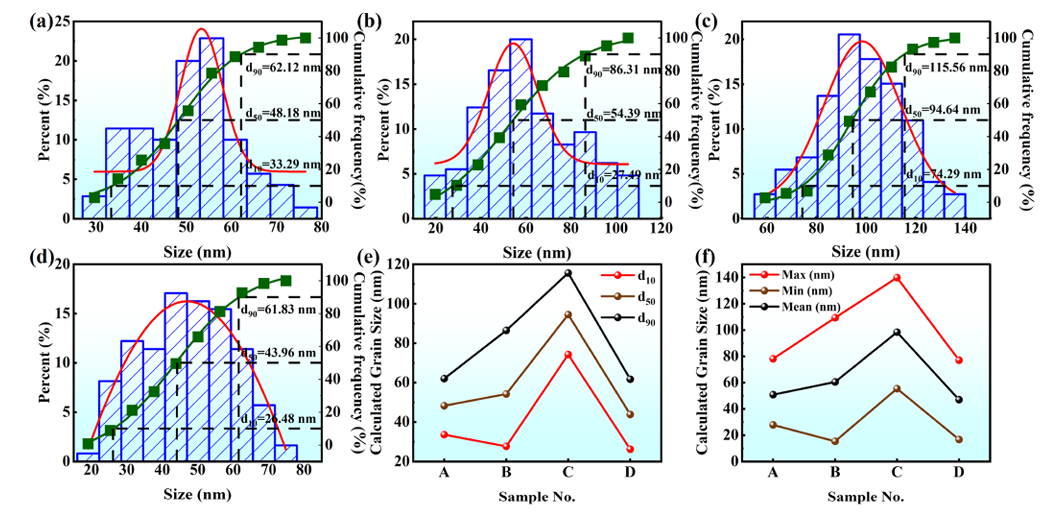
Figure 4 (a-d) Histograms of grain size distribution (left axis) and cumulative frequency distribution (right axis) for four samples. (e) Grain size (when cumulative frequency is 10%, 50%, and 90%, respectively) versus different samples. (f) Maximum, minimum and average grain size of different samples.
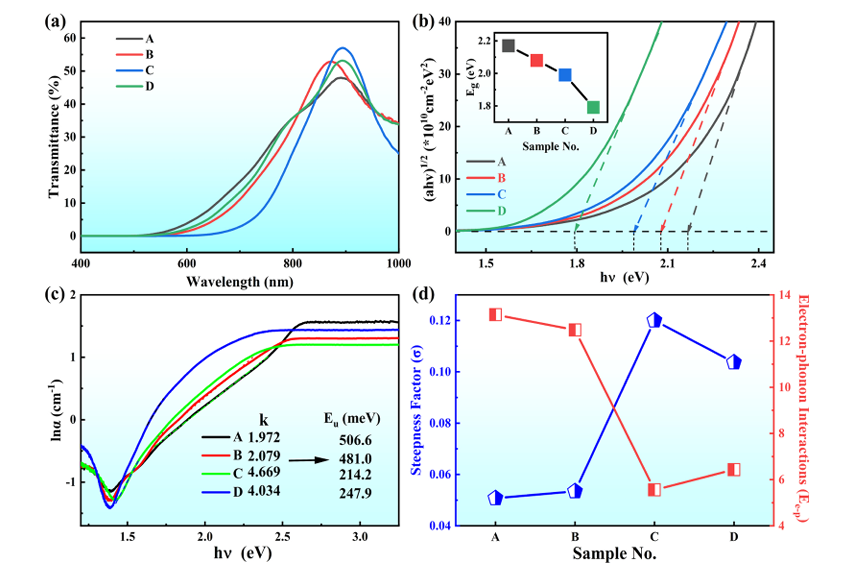
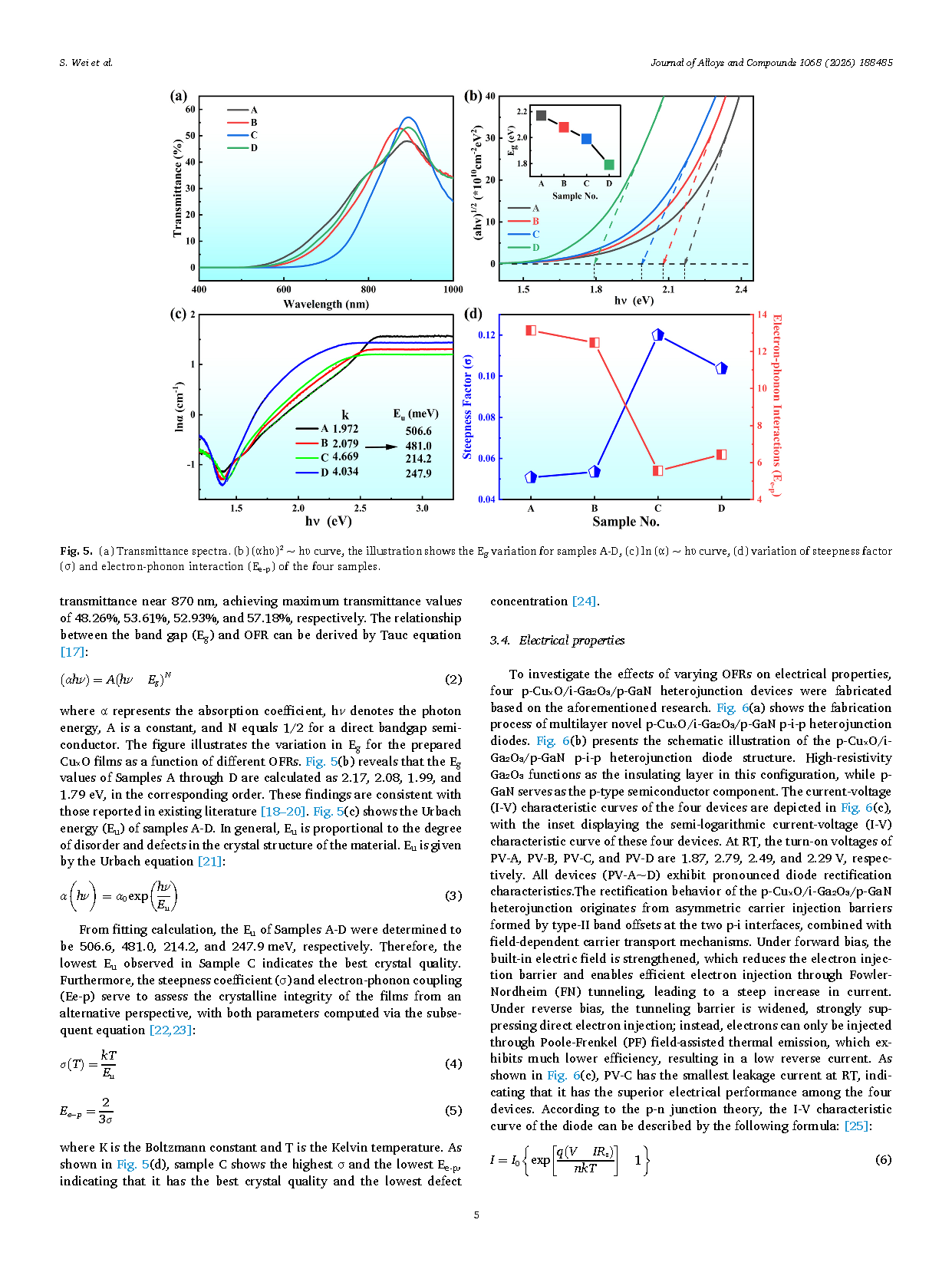
Figure 5 (a) Transmittance spectra. (b) (αhν)² ~ hν curve, the illustration shows the E₉ variation for samples A-D, (c) ln (α) ~ hν curve, (d) variation of steepness factor (σ) and electron-phonon interaction (Eₑ₋ₚ) of the four samples.
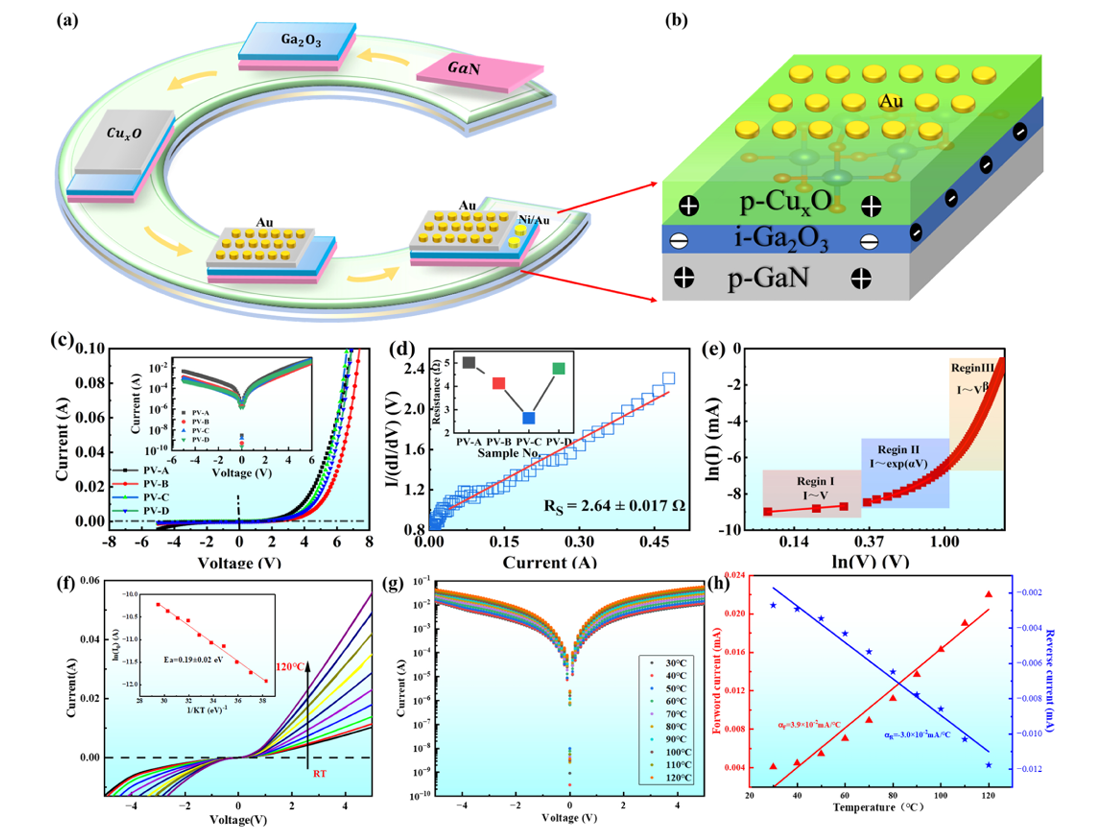
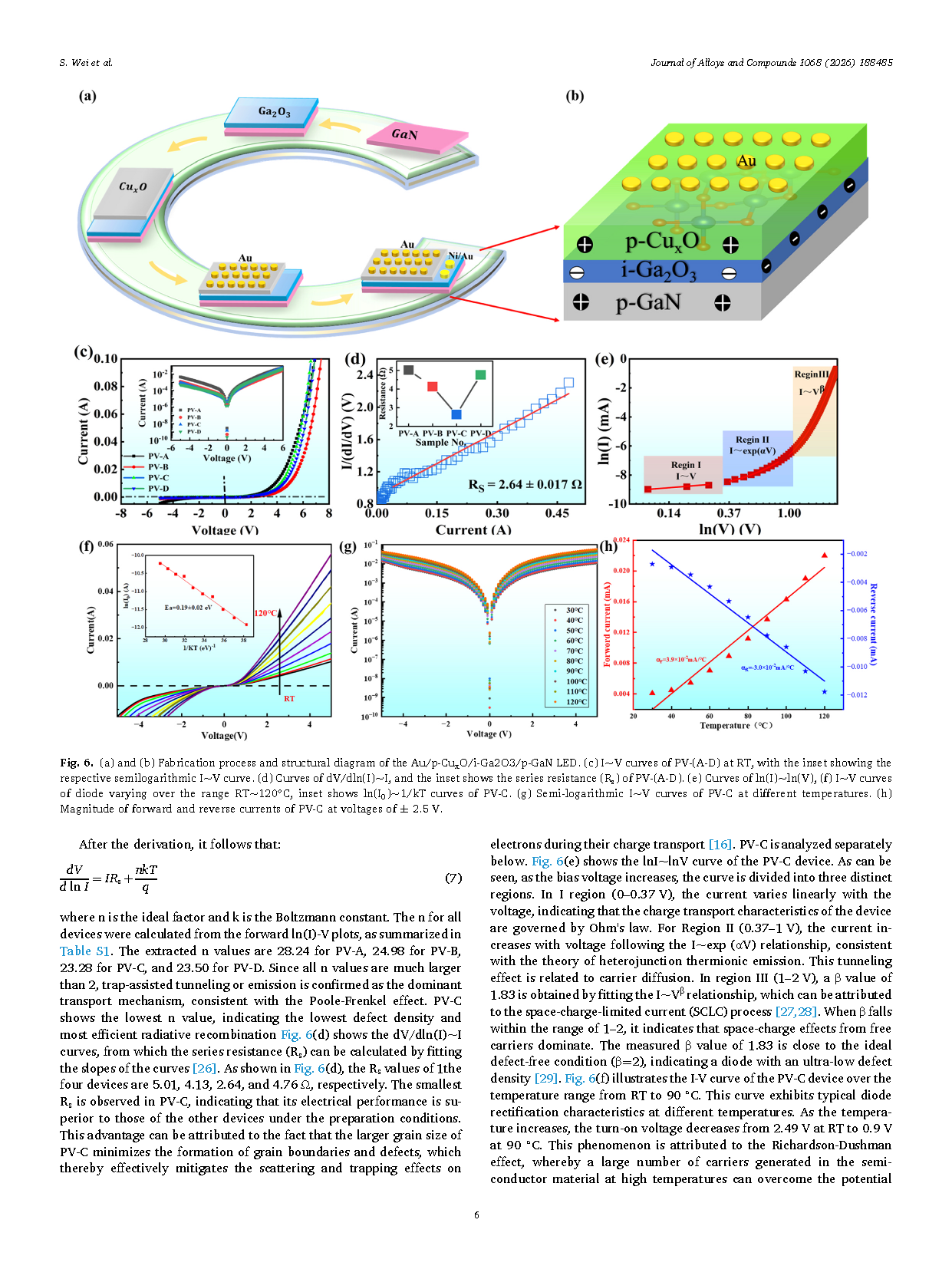
Figure 6 (a) and (b) Fabrication process and structural diagram of the Au/p-CuₓO/i-Ga₂O₃/p-GaN LED. (c) I-V curves of PV-(A-D) at RT, with the inset showing the respective semilogarithmic I~V curve. (d) Curves of dV/dln(I)~I, and the inset shows the series resistance (Rₛ) of PV-(A-D). (e) Curves of ln(I)~ln(V), (f) I~V curves of diode varying over the range RT~120°C, inset shows ln(I₀)~1/kT curves of PV-C. (g) Semi-logarithmic I~V curves of PV-C at different temperatures. (h) Magnitude of forward and reverse currents of PV-C at voltages of ± 2.5 V.
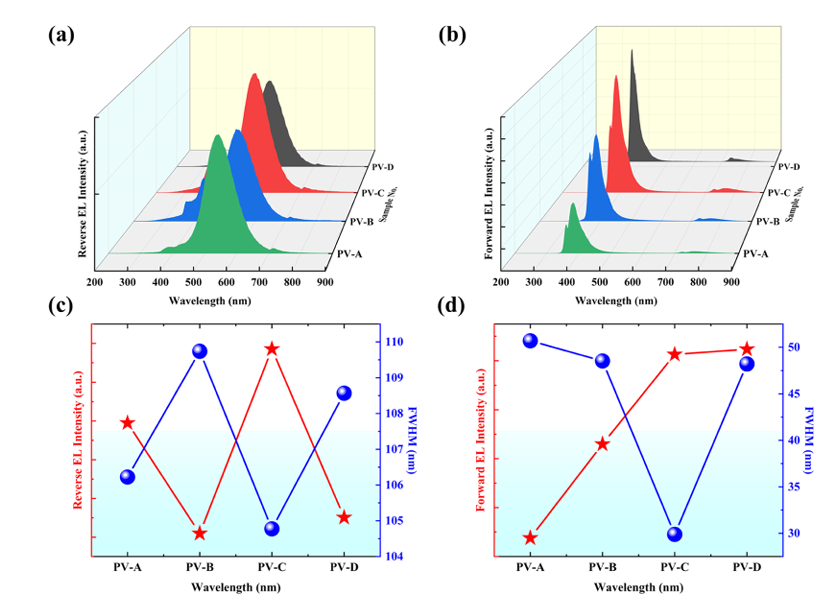
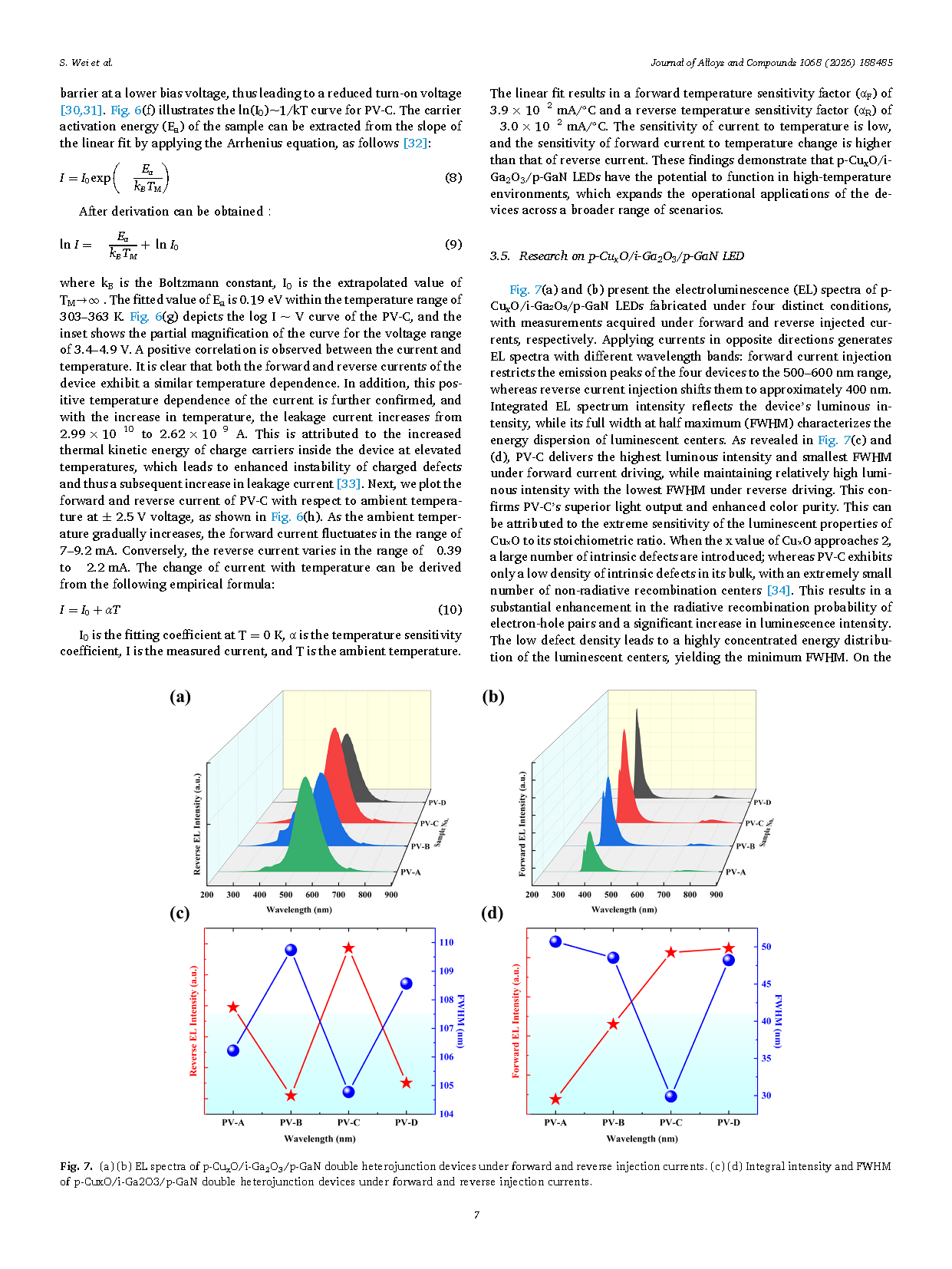
Figure 7 (a) (b) EL spectra of p-CuₓO/i-Ga₂O₃/p-GaN double heterojunction devices under forward and reverse injection currents. (c) (d) Integral intensity and FWHM of p-CuₓO/i-Ga₂O₃/p-GaN double heterojunction devices under forward and reverse injection currents.
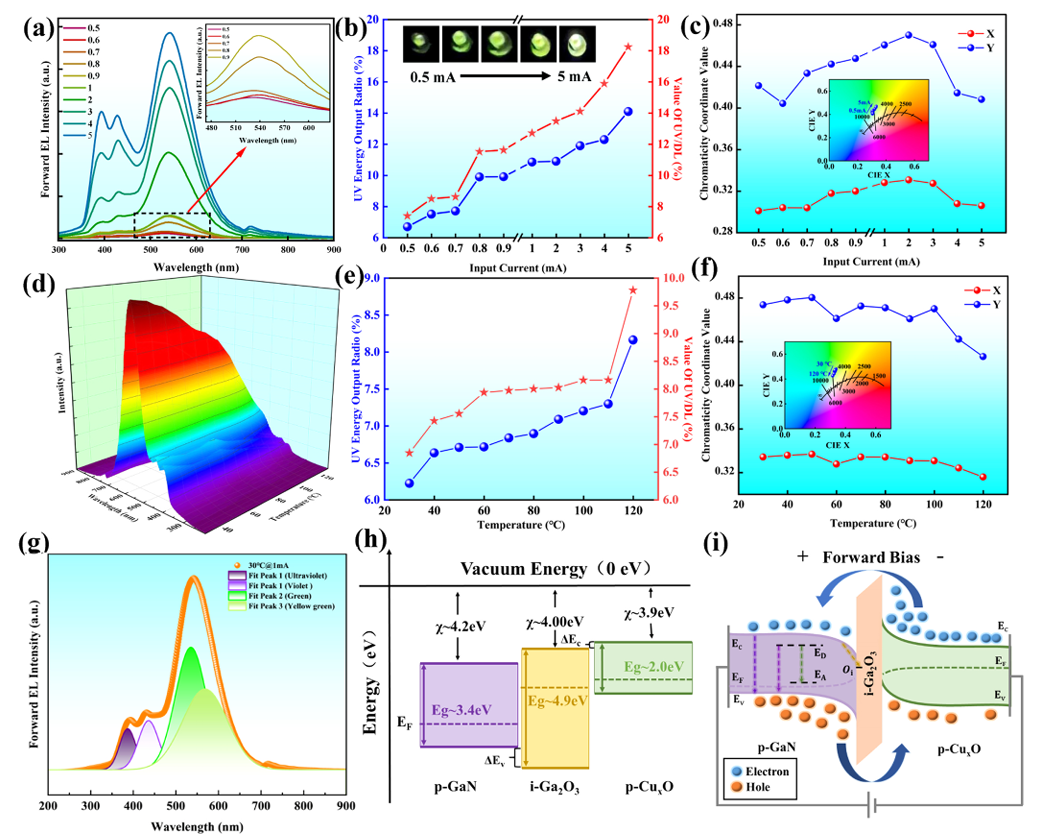
Figure 8 (a) EL spectra of PV-C at RT under different forward injection currents (0.5–5 mA). (b) The ultraviolet emission of PV-C and the UV/DL ratio under different injection currents, with the inset showing the electroluminescence under different forward currents. (c) The variation of chromaticity coordinates under different driving currents at RT, inset shows the corresponding chromaticity diagrams. (d) 3D plot of PV-C EL spectra versus temperature (30–120°C). (e) UV emission and UV/DL ratio of PV-C at different temperatures. (f) The variation of chromaticity coordinates of PV-C under forward driving currents at different temperatures, inset shows the corresponding chromaticity diagrams. (g) Gaussian multi-peak fitting of PV-C EL spectrum (1 mA, RT). (h) Energy band diagram of PV-C at equilibrium. (i) Luminescence mechanism schematic of PV-C under forward driving current.
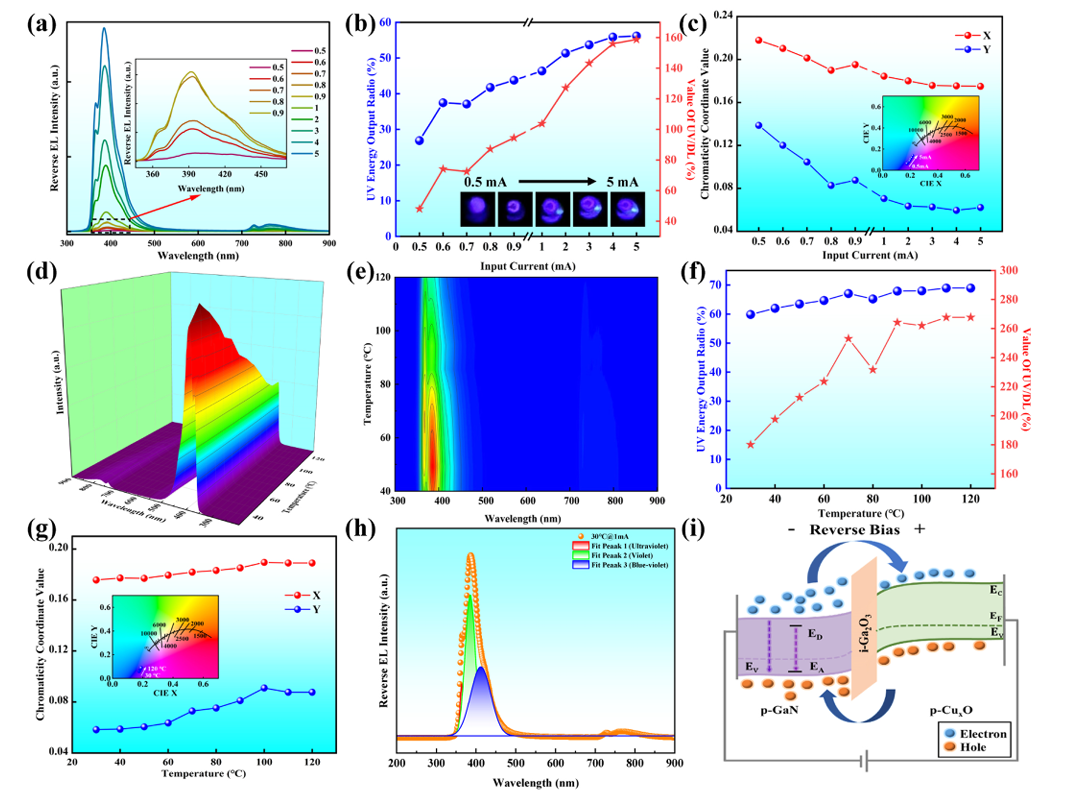
Figure 9 (a) EL spectra of PV-C at RT under different reverse injection currents (0.5–5 mA). (b) The ultraviolet emission of PV-C and the UV/DL ratio under different injection currents, with the inset showing the electroluminescence under different reverse currents. (c) The variation of chromaticity coordinates under different driving currents at RT, inset shows the corresponding chromaticity diagrams. (d-e) 3D and 2D plots of PV-C EL spectra versus temperature (30–120°C). (f) UV emission and UV/DL ratio of PV-C at different temperatures. (g) The variation of chromaticity coordinates of PV-C under reverse driving currents at different temperatures, inset shows the corresponding chromaticity diagrams. (h) Gaussian multi-peak fitting of PV-C EL spectrum (1 mA reverse injection, RT). (i) Luminescence mechanism schematic of PV-C under reverse driving current.
DOI:
doi.org/10.1016/j.jallcom.2026.188485
Instruction
Official Account

Cooperation
Top